















Story Highlight
– Baby formula products recalled over cereulide toxin contamination.
– 36 children in UK reported symptoms consistent with poisoning.
– Contamination traced to third-party ingredient supplier issues.
– Parents urged to check and return affected formulas.
– Experts warn of serious gaps in product safety regulations.
Full Story
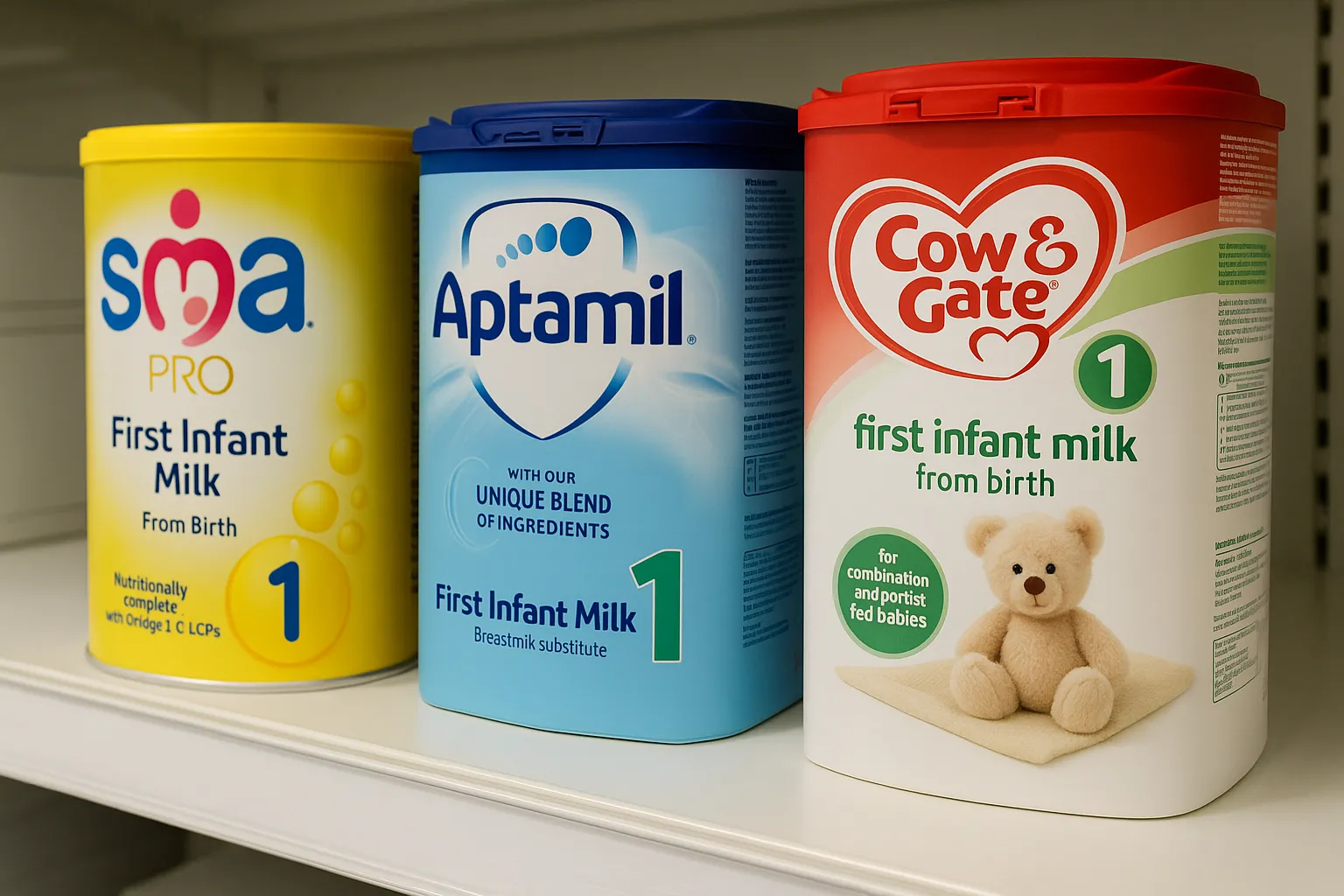
A significant recall affecting popular infant formula brands has prompted urgent action from health officials across the United Kingdom, instilling concern among parents regarding the safety of these products. The recall, initiated over the discovery of a harmful toxin known as cereulide, has led to the withdrawal of numerous products from well-known manufacturers, including SMA (owned by Nestlé), Aptamil, and Cow & Gate (produced by Danone).
The Food Standards Agency (FSA) has confirmed that the recalls began in early January 2026 and have since broadened as further investigation into the matter continues. In total, 28 batches of affected baby formula products are now in question. Symptoms potentially linked to cereulide poisoning have already been observed in 36 children in the UK, raising additional alarms among healthcare professionals and caregivers alike.
The contamination of these products is traced to a shared supplier responsible for producing arachidonic acid (ARA), a fatty acid often added to infant formulas. While ARA exists naturally in breast milk, its inclusion in formula is not a legal requirement. “The contaminant seems to come from the fact that the ARA is produced using microbial fermentation – this process demands exceptionally tight manufacturing processes to ensure the right bugs grow the right stuff – and this has failed,” explained Dr Chris van Tulleken, a prominent expert in infection and global health at University College London, through his social media channel.
Cereulide is a toxin produced by the Bacillus cereus bacteria. The FSA has cautioned that this toxin is not eliminated through cooking or heating, which poses a particular risk when preparing infant formula according to NHS guidelines. The toxic effects typically manifest swiftly, with symptoms such as nausea, vomiting, diarrhoea, and abdominal pain appearing between 15 minutes to six hours after consumption. Most children recover quickly after discontinuing the affected product; however, the toxin can present serious health threats to very young infants or those with weakened immune systems.
Katie Pettifer, Chief Executive of the FSA, reassured the public, stating, “The risk of harm to children from cereulide contamination at these levels is low, but consuming it could cause symptoms such as vomiting and diarrhoea.” She advised that if parents suspect their child has ingested a contaminated batch and is showing concerning symptoms, they should reach out to their GP or NHS 111 for guidance.
To keep infants safe during this period of uncertainty, the FSA has recommended that all parents and caregivers thoroughly inspect any SMA, Aptamil, or Cow & Gate formula they may have at home and cease use of any recalled products immediately. These affected items can be returned to retailers for a full refund or exchange, with no receipt necessary. Retail giants including Tesco and Co-op continue to stock unaffected formulas, allowing parents to purchase safely from these stores.
Both Danone and Nestlé have announced they will no longer utilise the ingredient supplier implicated in the contamination. The FSA is collaborating with international food safety authorities throughout the ongoing global recall and has urged manufacturers to provide clarity on the error and assurances that such issues will not recur.
Experts have expressed that this incident underscores significant weaknesses in the safety and regulation of infant formula products. Nigel Rollins, a professor of maternal and child health at Queen’s University Belfast, described the situation as “extremely worrisome,” indicating it reflects a detrimental systematic failure within the supply chain and food safety protocols. Additionally, Patti Rundall, policy director at Baby Milk Action, a UK non-profit organisation, voiced her concerns about the reliability of current safety systems in place. “When it’s your baby, you want to know that the systems are in place and that the frameworks are there, and they’re certainly not. When it’s reliant so much on trust and that companies will behave, I think we’re in a really bad place,” she stated, highlighting the urgent need for improved oversight.
With strong recommendations for parents to only use unaffected formulas, the FSA continues to monitor the situation closely. Authorities are coordinating efforts to ensure that such problems are addressed promptly and effectively to mitigate risks for consumers in the future. The ongoing investigations aim not only to rectify the current crisis but also to enhance regulatory frameworks surrounding infant nutrition.
As parents navigate these alarming developments, staying informed through official channels regarding product safety and adhering to the FSA’s recommendations will be crucial. In light of the situation, the importance of rigorous safety measures and transparent manufacturing processes in the baby food industry has never been clearer, highlighting a collective responsibility to prioritise the health and wellbeing of the youngest members of society.
Our Thoughts
The baby formula recall due to cereulide contamination highlights significant lapses in safety protocols within the supply chain. Key safety lessons include the necessity for stringent supplier audits and product testing, particularly for ingredients sourced from third-party manufacturers. UK regulations, such as the Food Safety Act 1990 and the General Food Law Regulation (EC) 178/2002, emphasize the responsibility of food businesses to ensure that all food sold is safe for consumption. Breaches likely occurred in these regulations concerning product safety and ingredient verification.
Preventative measures could include enforcing stricter quality control and traceability requirements, requiring manufacturers to conduct thorough risk assessments, and implementing routine inspections of suppliers’ manufacturing processes. Additionally, companies should ensure contingency measures are in place to quickly address contamination incidents. Improved communication regarding product safety and more transparent supply chain practices are crucial to rebuild consumer trust and prevent future occurrences. A proactive rather than reactive approach could significantly mitigate the risks associated with food production, particularly in sensitive products like infant formula.