
















Story Highlight
– Jersey Gas pleads not guilty to safety charge.
– Charge relates to Health and Safety Law violations.
– Accusations involve public health and safety concerns.
– Case heard at the Royal Court in Jersey.
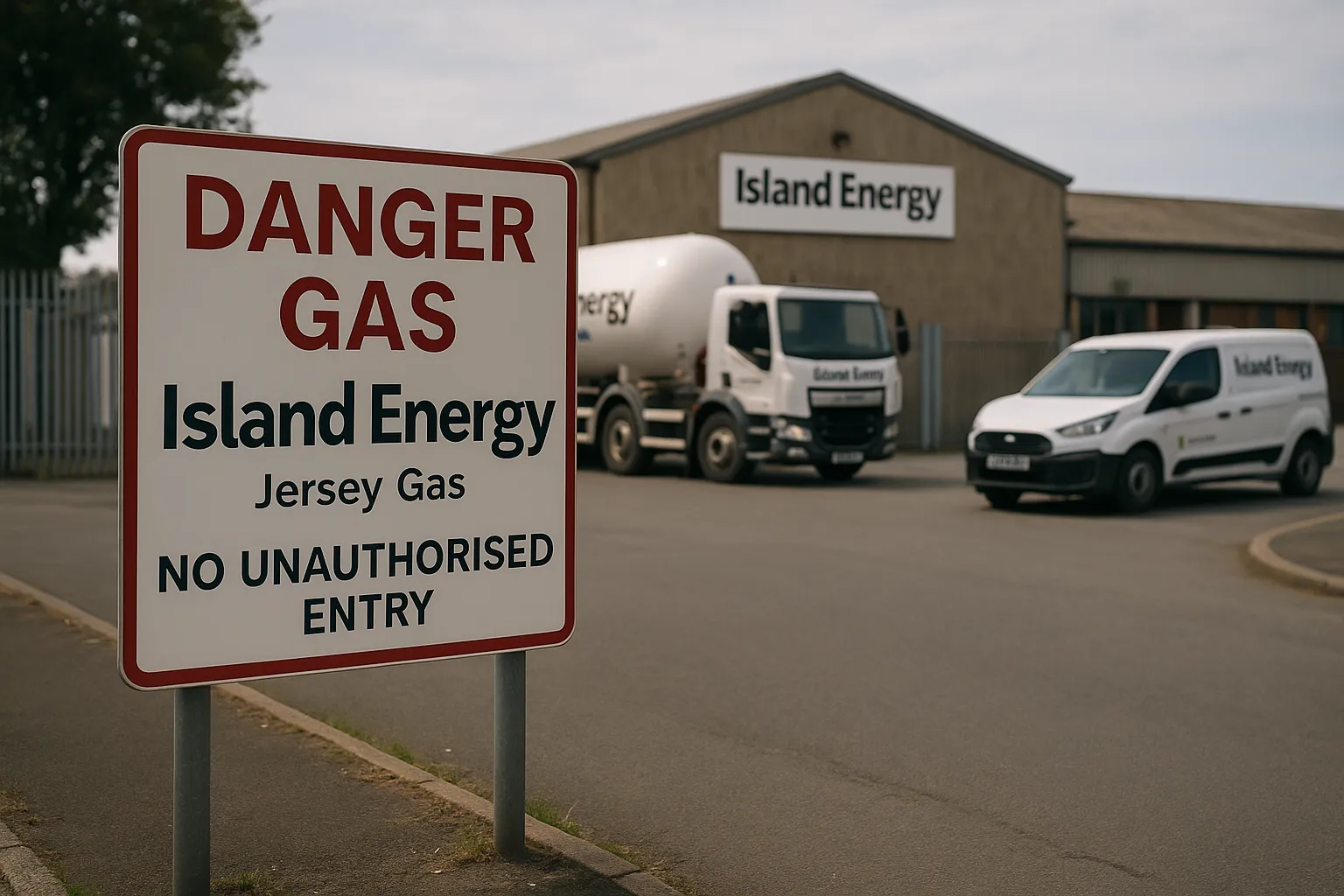
– Company operates under the name Island Energy.
Full Story
Jersey Gas, operating as Island Energy, recently appeared in the Royal Court, where it entered a plea of not guilty to a significant charge under the Health and Safety at Work (Jersey) Law 1989. The allegations revolve around the company’s alleged failure to uphold the health and safety standards required to protect individuals outside their employment, notably members of the public.
This legal action has sparked considerable interest within the community, as it raises questions about workplace safety regulations and their enforcement in the island’s energy sector. The implications of the case stretch beyond legal ramifications; they touch on the broader commitment of local businesses to ensure not only the safety of their employees but also that of the communities they serve.
Further insight into the gravity of the situation was offered by a spokesperson for the company, who highlighted their ongoing commitment to compliance with health and safety regulations. “We take these matters very seriously and are dedicated to ensuring that our operations meet the highest safety standards,” the spokesperson said. The company has stated its intention to vigorously contest the allegations brought against it.
The case underscores a critical aspect of corporate responsibility, particularly for companies in sectors that directly impact public safety. Critics argue that it is essential for businesses to be held accountable not just for the health and safety of their workers but also for the well-being of the wider community. Health and safety experts emphasise that breaches can have far-reaching consequences, highlighting the need for rigorous enforcement of regulations.
As the court proceedings unfold, experts in health and safety management have voiced their opinions on the case. They have pointed out that the standards set by the Health and Safety at Work (Jersey) Law 1989 are designed to protect both workers and members of the public from hazards associated with workplace activities. By allegedly neglecting these obligations, companies like Jersey Gas could jeopardise public trust and safety.
Public opinion on the matter has been largely concerned with how such issues are managed. Many residents of Jersey, while acknowledging the importance of a reliable energy supply, express unease over any potential lapses in safety protocols. The outcome of the case could have significant implications, not only for Island Energy but for other businesses operating within similar frameworks.
Community leaders have also weighed in on the situation, advocating for transparency in the legal process. They stress that it is vital for residents to be informed about how companies operate, particularly when their activities could pose risks to public safety. “The community deserves to know how businesses are safeguarding them. We expect full accountability from all local enterprises,” stated a prominent local council member.
The implications of the case extend into a broader dialogue about corporate accountability in Jersey. Regulatory bodies are closely monitoring the proceedings, with expectations that the outcome will reaffirm the standards expected of all businesses operating on the island. Some industry insiders note that enhancing safety measures is not just a legal necessity, but it is also a moral obligation to ensure that operations do not compromise public safety.
In light of this incident, calls for heightened scrutiny of health and safety practices within local companies have started to emerge. Many advocates argue that a more robust regulatory framework could prevent similar situations in the future, ensuring that the safety of the public remains a paramount concern for all businesses.
The Royal Court hearings on this matter are anticipated to delve into the specifics of the allegations against Island Energy, examining the details surrounding the company’s compliance with established health and safety regulations. If found in breach of the law, the consequences may extend beyond financial penalties, potentially impacting the company’s reputation and operational practices going forward.
As the case progresses, it will serve as both a legal examination of the specific actions of Island Energy and a wider investigation into industry standards in Jersey. The ramifications will likely resonate throughout the business community, influencing how companies assess and manage their health and safety protocols in the future.
In conclusion, while Jersey Gas holds to its plea of not guilty, the unfolding legal battle is set to shine a light on critical health and safety issues facing local businesses. The public and regulatory bodies will be watching closely as the case develops, and the eventual outcome may well dictate further regulatory actions to ensure that the health and safety of all community members are prioritized.
Our Thoughts
Jersey Gas, trading as Island Energy, faced legal action for failing to ensure public safety under the Health and Safety at Work Jersey Law 1989. To prevent such incidents, a robust risk assessment process should have been implemented, identifying potential hazards to the public. Effective communication and training of staff on safety protocols are essential to address risks associated with their operations.
Key safety lessons include the importance of regular safety audits and engaging with stakeholders, which could enhance awareness of potential dangers. Ensuring compliance with safety regulations, including conducting thorough safety checks and maintenance on equipment, is crucial.
Relevant regulations that may have been breached encompass the general duty of care under the Health and Safety at Work Act, which mandates that employers ensure the safety of non-employees. Similar incidents could be avoided by adopting a proactive safety culture, promoting reporting mechanisms for hazards, and providing community safety information related to operations. Regular consultation with health and safety professionals can support adherence to regulations and improve overall safety standards.