













Story Highlight
– UKHSA warns against certain alcohol-free wipe products.
– 59 confirmed Burkholderia stabilis infections reported in the UK.
– One death linked to the Burkholderia stabilis outbreak.
– Contaminated products should not be used on skin.
– Public advised to check homes for affected wipes.
Full Story
Health authorities in the UK are urging the public to refrain from using specific alcohol-free wipes following a concerning outbreak of infections. The UK Health Security Agency (UKHSA) and the Medicines and Healthcare products Regulatory Agency (MHRA) have highlighted four non-sterile wipe products that have been linked to cases of Burkholderia stabilis, a bacterium that can lead to severe health complications.
This advisory comes in light of 59 confirmed cases of Burkholderia stabilis identified across the UK since January 2018, culminating in February 2026, with a recent report citing one fatality associated with the infection. Although Burkholderia stabilis is typically found in the environment and poses a minimal threat to generally healthy individuals, the recent incidents warrant serious attention, especially for vulnerable populations.
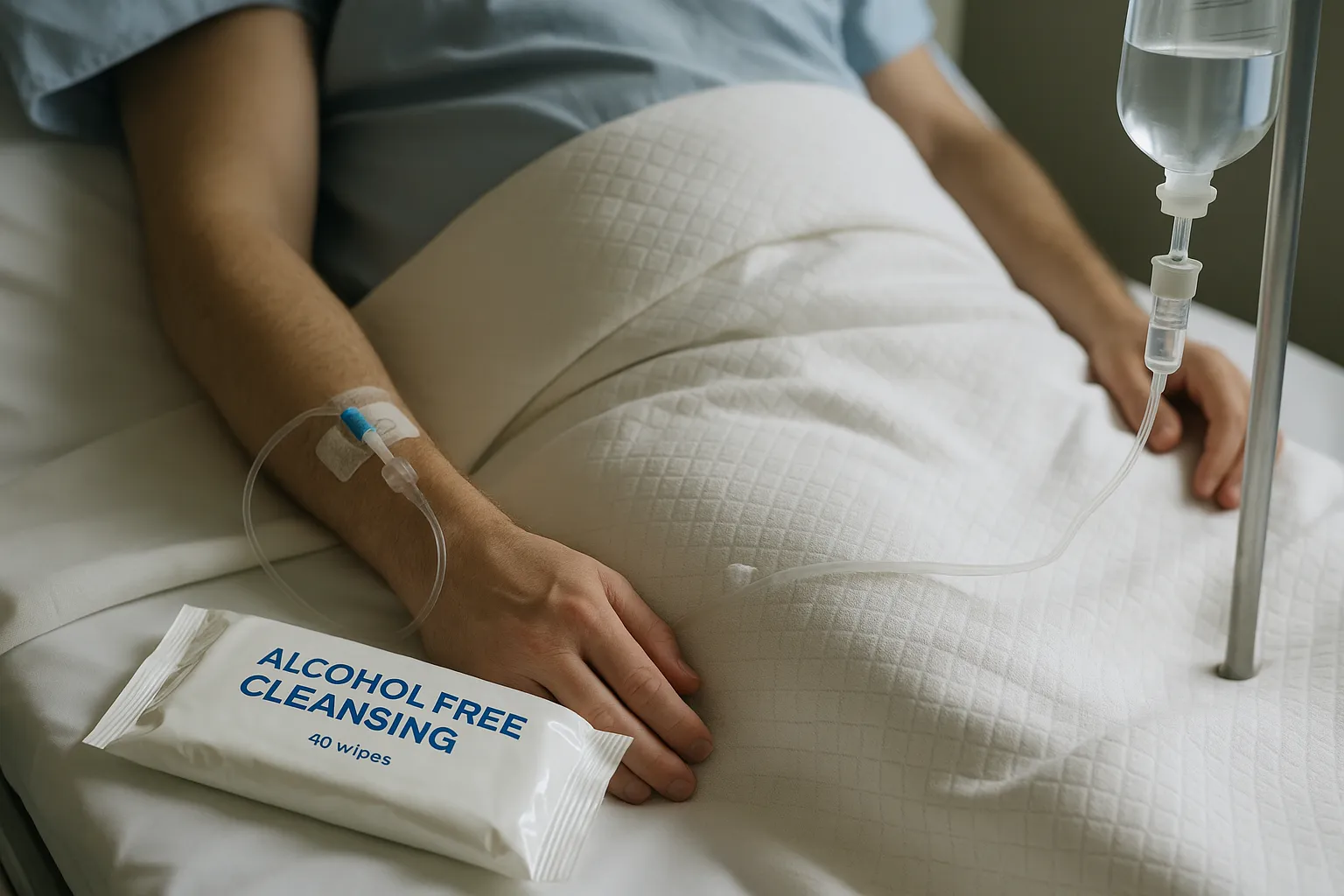
The implications of this bacteria are particularly alarming for those with compromised immune systems or pre-existing health conditions, including cystic fibrosis, as well as patients who manage intravenous lines at home. Such individuals may find themselves at a heightened risk of infection, necessitating greater vigilance.
The four specific products that have been flagged as potentially hazardous and should be avoided include:
1. ValueAid Alcohol Free Cleansing Wipes
2. Microsafe Moist Wipe Alcohol Free
3. Steroplast Sterowipe Alcohol Free Cleansing Wipes
4. Reliwipe Alcohol Free Cleansing Wipes (noted to contain a Burkholderia strain unrelated to the outbreak, yet still classified as unsafe)
In light of these findings, the UKHSA and MHRA stress that non-sterile alcohol-free wipes—regardless of the brand—must not be used for first aid, on damaged skin, or for sanitising medical equipment such as intravenous lines.
The concerns arose after the MHRA initiated product recalls following their testing in July 2025, which confirmed the contamination issue. Despite being withdrawn from the market, these wipes may still reside in the homes of consumers, including in first aid kits, prompting authorities to urge thorough inspections of household supplies.
Healthcare professionals were notified about the outbreak through a patient safety alert issued in mid-2025, and the guidance has been reiterated in light of the recent developments. Dr James Elston, a Consultant in Epidemiology and Public Health at the UKHSA, stated, “We are reminding the public not to use, and to dispose of, certain non-sterile alcohol-free wipes which have been linked to an outbreak of Burkholderia stabilis.” He further emphasised that while the overall risk remains low for the general population, instances in vulnerable groups are still being monitored, and there has been at least one associated death.
The warning comes at a time when public health experts are keen to remind users that non-sterile wipes should not replace medically approved cleaning methods for treating wounds. Dr Alison Cave, Chief Safety Officer at the MHRA, reinforced this message, asserting, “Patient safety is the MHRA’s top priority.”
As a part of preventive measures, the UKHSA stresses the importance of distinguishing between sterile and non-sterile wipes. Individuals should verify product labelling before considering use on broken skin or for cleaning purposes.
Symptoms of Burkholderia stabilis infections vary, depending on the infection’s site and severity. Common indications of a wound infection include redness, swelling, increased pain, and drainage from the site. Infections associated with intravenous lines may present as swelling or pain around the insertion area, as well as systemic symptoms such as fever and chills. In more severe cases, infection can escalate to sepsis, which manifests through confusion, rashes, and breathing difficulties.
Public health officials advise that anyone displaying symptoms of an infection, especially those linked to wounds or intravenous lines, should seek immediate medical advice by contacting NHS 111 or their healthcare provider.
In summary, amid the ongoing concerns regarding Burkholderia stabilis, the UKHSA and MHRA aim to ensure public safety by warning against the use of specific alcohol-free wipes and urging individuals to take heed of hygiene protocols when dealing with wounds and medical equipment. By adhering to the updated guidelines and disposing of unsafe products, the public can help mitigate the risks associated with this bacterial infection.
Our Thoughts
To prevent the outbreak of Burkholderia stabilis associated with contaminated non-sterile alcohol-free wipes, several key actions could have been implemented. Firstly, manufacturers should have adhered strictly to the UK regulations regarding medical devices under the Medicines Act 1968 and the Medical Device Regulations (MDR) 2002, ensuring products are free from harmful microorganisms before entering the market. Rigorous testing and quality control measures are essential to avoid contamination.
Secondly, public and healthcare provider education on the appropriate use of non-sterile products is crucial. Clear labeling must indicate that such wipes should never be used on broken skin or for cleaning intravenous lines, as stipulated under the Health and Safety at Work Act 1974, which emphasizes the need for safe practices in medical care.
Additionally, the rapid response by the UKHSA and MHRA is commendable, but proactive monitoring and regular safety audits of health products could catch issues before they cause harm. Compliance with hygiene standards and improved communication about the risks associated with non-sterile wipes is essential for preventing similar incidents in the future.