














Story Highlight
– MPs warn lorries risk disease by avoiding border checks.
– Non-attendance at Sevington for checks has increased significantly.
– Inadequate checks lead to potential livestock and plant diseases.
– Criminal gangs exploit weaknesses in the import system.
– Government urged to improve the Sevington system urgently.
Full Story
Concerns have been raised regarding the potential health risks posed by lorries transporting meat and dairy products into the UK without undergoing essential border checks. Members of Parliament have underscored the importance of enforcing these checks to safeguard public health.
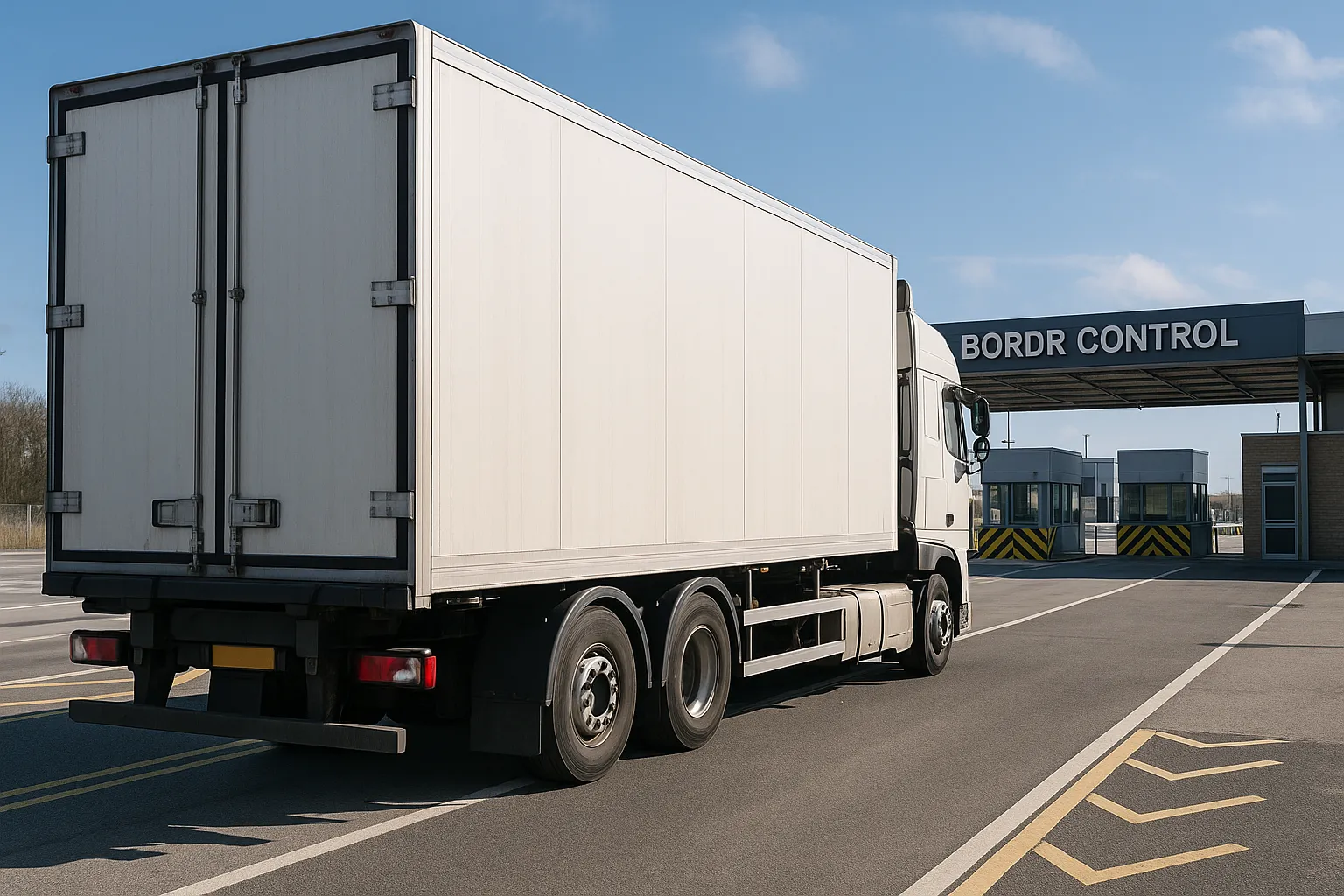
Under the current arrangements established following Brexit, inspections of commercial vehicles entering the UK at Dover do not happen at the port itself. Instead, these checks occur at a control post located in Sevington, approximately 22 miles (35km) away, near Ashford. However, recent figures from the Department for Environment, Food and Rural Affairs (Defra) have indicated a worrying trend: an increase in instances where trucks fail to report to Sevington, a situation characterised as “drive-bys.”
According to a Defra spokesperson, such instances of non-compliance come as a breach of regulations, and the agency has expressed its expectation that the appropriate authorities will act promptly in addressing these violations. Data from three distinct months showcases that in November 2025, 18% of flagged animal product consignments did not make their way to the designated control post—an increase from just 8% in August of the same year.
The Environment, Food and Rural Affairs Committee (Efra)—a cross-party parliamentary body that monitors the activities of Defra—has reported that this situation creates significant hazards for both livestock and plants across the UK. Diseases prevalent in Europe, including African swine fever, foot-and-mouth disease, and the harmful Xylella bacteria, could easily infiltrate UK borders if left unchecked.
Chairman of Efra, Alistair Carmichael, articulated serious concerns, stating, “Defra’s evidence paints a picture of a dysfunctional system,” adding that unchecked products are effectively permitted entry into the country “through the front door.” He cautioned that the risks posed to domestic livestock and agricultural crops could lead to a severe crisis.
Carmichael urged the government to ensure that the current Sevington inspection framework operates effectively, at least until a new arrangement can be established with the European Union. In conjunction with this assertion, correspondence from Defra mentioned a pilot initiative designed to monitor plant consignments that do not reach the control post within three hours of arriving at the port. This initiative is believed to help reduce instances of non-compliance while enhancing the availability of data regarding imports.
However, Carmichael lamented the government’s lack of commitment in providing the necessary resources to extend this pilot programme, which he believes should also include inspections for meat and dairy products. In response to these issues, Defra acknowledged the concerns raised by the committee and noted that, although data reflecting instances of non-attendance suggests an overall decline, they are keenly aware of the apprehensions from Efra.
“We are urgently working to address these, including data availability,” stated a Defra representative, reaffirming their commitment to improving the system.
The seriousness of these issues has been reinforced by recent reports of illegal meat seizures at the port. In early February 2025, authorities intercepted nearly 100 tonnes of illegal meat destined for the UK, drawing sharp attention to the pressing area of border security and compliance. Such incidents underscore calls for immediate action concerning the rising tide of illegal imports, which have been spotlighted by both parliamentary committees and public health advocates.
The need for stronger regulations and enforcement measures within the Dover port area has continued to gain traction amid growing concerns about food safety and biosecurity. Developments in these areas will be crucial in protecting both consumers and the agricultural integrity of the UK.
As the government navigates the complexities of post-Brexit trading arrangements, stakeholders from various sectors are increasingly highlighting the critical need for robust inspection systems. A failure to address these vulnerabilities may have far-reaching implications for public health and domestic agricultural practices, raising a crucial question: how will the authorities work to ensure that regulatory frameworks effectively adapt to these new economic realities?
Legislators and health experts alike are urging for immediate and systemic improvements to the border control measures, suggesting that the current infrastructure is inadequately equipped to prevent potential biosecurity crises. The collaboration between environmental health officials and the agricultural sector is viewed as imperative for safeguarding public health and maintaining the rigorous standards expected by consumers.
In the face of these mounting challenges, continued dialogue between government, industry stakeholders, and health authorities will be vital. The dialogue surrounding these regulatory challenges and remedies will likely remain at the forefront of discussions as UK authorities seek to bolster both food safety and biosecurity amid evolving market demands and international agreements.
As this situation evolves, the attention of the UK public remains fixed on how effectively the government will respond to these impending risks, with many urging for immediate steps to ensure a safer future for the nation’s food supply.
Our Thoughts
The incident at Dover Port reveals significant lapses in regulatory enforcement concerning food safety checks for imported meat and dairy products. To avoid the current situation, improved oversight and robust enforcement mechanisms must be instituted to ensure compliance with health and safety regulations, notably the Hygiene of Foodstuffs Regulations 2006 and the Import of Animal Products Regulations 2021.
Key safety lessons include the necessity for effective communication and coordination between border control agencies. The current practice of having checks conducted 22 miles away without adequate follow-up is a critical flaw. Implementing tighter controls and penalties for non-compliance could deter disregard for regulations, which is evidentially leading to increased risks of disease entering the UK.
The failure of lorries to attend the Sevington control post constitutes a breach of regulations, as acknowledged by Defra. A commitment to resources for the pilot scheme, which was successful in reducing non-compliance, is necessary to ensure that imported products are subjected to appropriate checks. To prevent similar incidents, the government must prioritize enforcement and establish a reliable monitoring system to uphold food safety standards effectively.