











Story Highlight
– Brand LOCKII balloons recalled for safety violations.
– Nitrosatable substances detected; potential cancer risk.
– Product removed from listings on online marketplaces.
– Compliance issues with EU Toy Safety Directive reported.
– Experts advise checking safety marks for balloon purchases.
Full Story
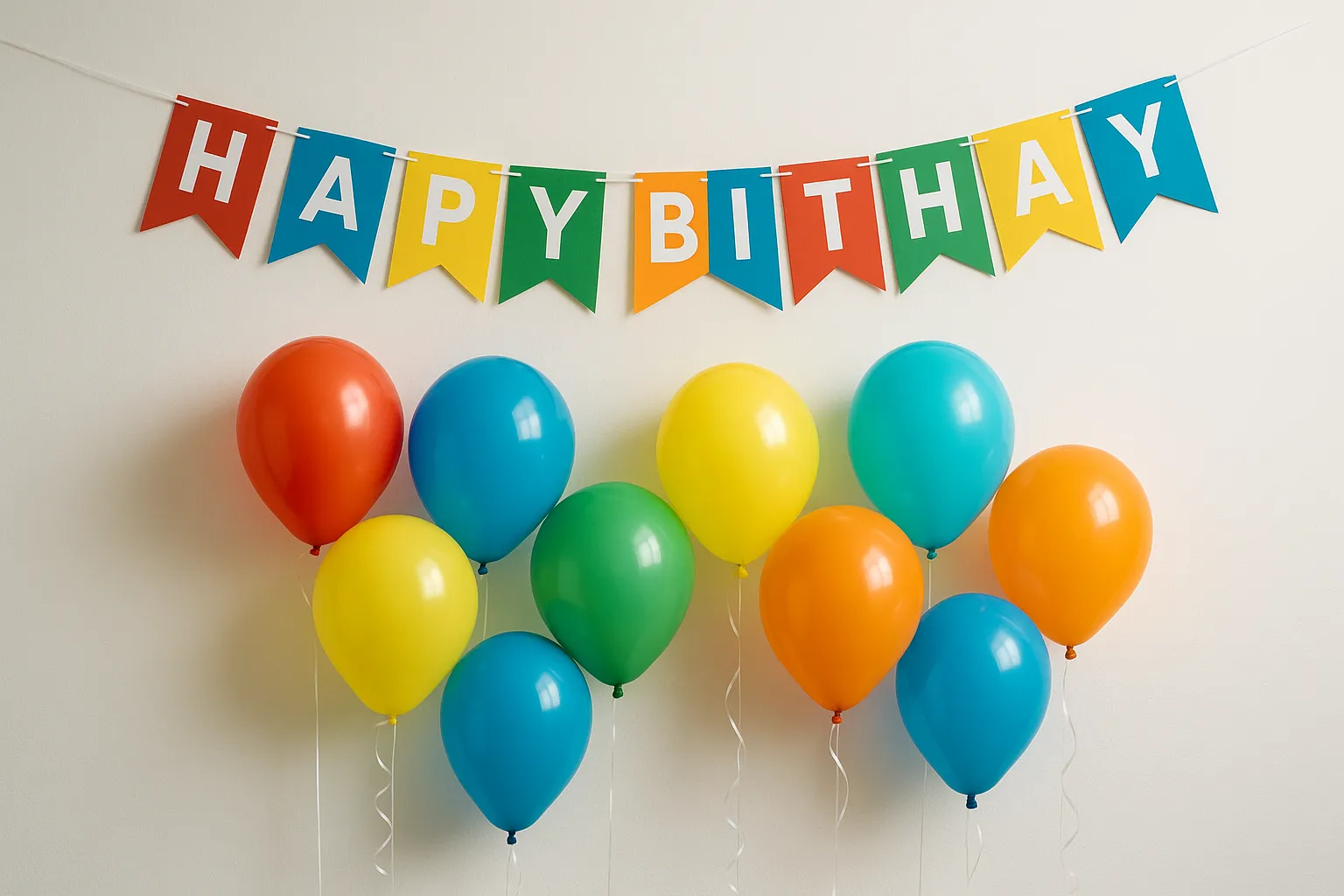
A recent safety alert has prompted the recall of a well-known party essential due to non-compliance with the Toy Safety Directive, raising concerns regarding consumer safety. The product in question, a particular type of party balloon under the brand name LOCKII, has been withdrawn from sale as a precautionary measure after it was found to present potential health risks.
The recall was initiated through Safety Gate, the European Union’s rapid alert system designed to inform consumers about hazardous non-food items. This measure has been implemented by public authorities who have instructed the manufacturer to ensure the removal of the offending product from online marketplaces. Despite the brand being listed as originating from Germany, these balloons have been easily accessible for purchase via various online platforms, including Amazon.com, where they were marketed as toys and decorative items for celebrations.
Safety Gate has specifically identified these balloons by their Amazon Standard Identification Number (ASIN): B0F48Y5KYB. The alert highlights a concerning characteristic of these balloons, stating that “the rubber of the balloons releases an excessive amount of nitrosatable substances,” with a measured total value of 7.25 mg/kg. These substances are capable of being absorbed through both skin and mouth during play, leading to the generation of nitrosamines, which have been linked to cancer.
The product’s failure to meet EU legal standards and the European consumer health and safety regulations has necessitated the recall. Consumers should be aware that some listings for LOCKII balloons on Amazon are now marked as “Currently unavailable,” although a limited selection may still be for sale on the UK version of the site at this time.
In conjunction with this recall, public health officials have mandated rigorous measures including the immediate cessation of sales and the withdrawal of all remaining inventory from consumers. This situation echoes findings from December 2025 when Which?, a notable UK consumer advocacy organization, conducted an investigation revealing risky products on various online marketplaces. Their report highlighted “dangerous balloons found for sale,” noting alarming instances where products contained levels of cancer-causing chemicals significantly exceeding safe limits.
In their analysis, Which? discovered that some balloons available for purchase were contaminated with chemical concentrations up to six times higher than the legally permitted level within the UK. This investigation covered a range of retailers, including AliExpress, Debenhams, eBay, Shein, and The Range, revealing widespread safety compliance issues. It was noted that out of 21 balloons tested, eight failed to meet UK safety standards and therefore should not be available for purchase.
Which? also emphasized that while there are balloons on marketplaces such as Amazon and Temu that met safety standards, consumers should remain vigilant when selecting products, particularly when it concerns children. To mitigate risks, experts recommend looking for recognised safety markings. In the UK, the UKCA mark is critical, while the CE mark is required across EU member states. These certifications confirm that a product adheres to necessary health and safety regulations, including those specifically related to toy safety.
The implications of these findings and the recent recall highlight a growing concern surrounding the safety of consumer products sold online. As more individuals turn to e-commerce for a variety of products, including party supplies, the responsibility falls on both consumers and retailers to ensure that any purchased items conform to established safety standards.
Safety campaigns have increasingly spotlighted the need for public awareness regarding product safety, especially for items intended for children. With the festive season approaching, parents may find themselves purchasing balloons and other party decorations more frequently, making it imperative that they are equipped with the knowledge to discern safer options.
While this recent alert focuses on one specific product, it serves as a reminder for consumers to remain informed about the potential hazards associated with seemingly innocent items like balloons. This caution extends to all parties involved in the retail and manufacturing processes, urging strict adherence to safety standards to protect consumers from harmful products.
In light of these developments, it remains crucial for online marketplaces and manufacturers to maintain transparent communication regarding product safety and to swiftly address any compliance concerns. As the landscape of consumer goods evolves, with a shift towards digital purchasing, ethical retailing becomes ever more essential to safeguard public health.
As consumers delve into the world of online shopping, the recall of LOCKII balloons underlines the importance of diligence. Buyers are encouraged to stay alert for safety notices and to scrutinise product details before making purchases, especially when the items are meant for young children. Ultimately, ensuring the safety of products in celebration contexts relies not only on regulatory compliance but also on informed consumer choices.
Our Thoughts
The recall of LOCKII balloons highlights significant failures in product safety compliance which could have been mitigated through stricter adherence to UK health and safety regulations, particularly the Toy Safety Directive and relevant EU standards. Key preventive measures include:
1. **Enhanced Product Testing**: Manufacturers should implement more stringent testing protocols before market entry, ensuring compliance with chemical safety limits as outlined in the Toy Safety Directive.
2. **Supplier Verification**: Online marketplaces like Amazon must establish robust vetting processes for product listings to ensure compliance with safety guidelines, potentially preventing hazardous items from being sold.
3. **Monitoring and Enforcement**: Regulatory bodies should increase surveillance of products available online, especially those unverified by official safety marks (UKCA/CE), to identify and remove non-compliant products swiftly.
4. **Consumer Education**: Raising consumer awareness about checking for safety certifications before purchasing toys and party supplies could reduce risks of exposure to hazardous substances.
Breaches of relevant regulations were evident, particularly related to the sale of products containing excessive levels of nitrosatable substances, which pose serious health risks. Implementing these changes could significantly mitigate similar incidents in the future.