










Story Highlight
– NASUWT calls for banning artificial football pitches due to cancer fears.
– Teachers and children exposed to harmful rubber chemicals.
– Other unions demand further research into health risks.
– Evidence links rubber crumb to hazardous substances and cancer.
– Government urged to phase out existing pitches urgently.
Full Story
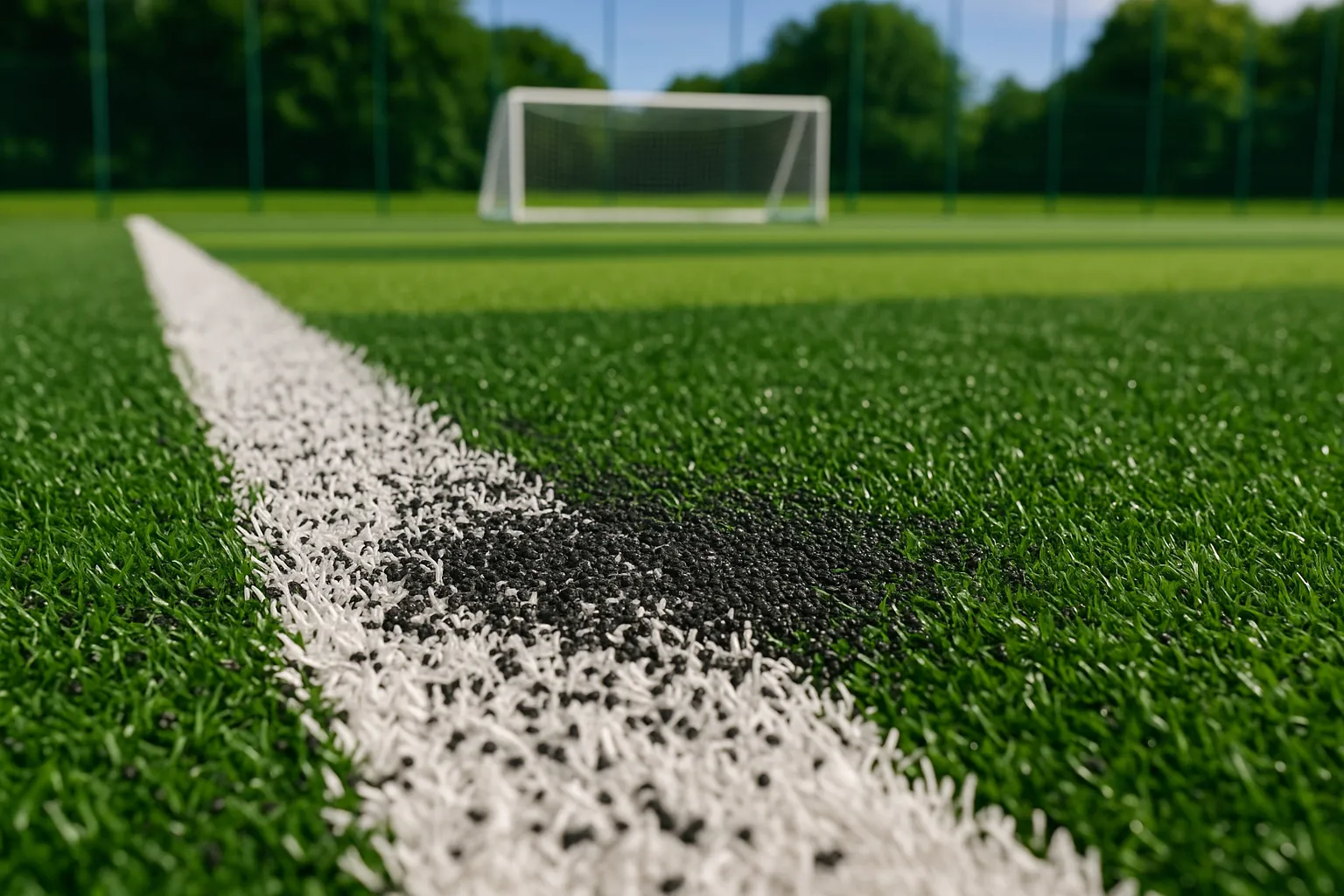
A prominent teachers’ union has urged the government to implement a ban on artificial football pitches containing rubber crumb infill, citing serious health concerns linked to exposure to potentially hazardous chemicals. The National Association of Schoolmasters Union of Women Teachers (NASUWT) has voiced its alarm amidst growing evidence suggesting that the particles used in these surfaces might carry cancer risks.
The debate surrounding the safety of 3G artificial pitches—popular in schools and local sports facilities—has intensified, with other major teachers’ unions expressing similar concerns. Reports suggest that the rubber crumb, which is produced by processing discarded vehicle tyres into small granules, can be a source of dangerous substances.
The composition of this microplastic material often includes various heavy metals, volatile organic compounds, benzene, and other carcinogenic elements. Experts are particularly worried that players and those who use these pitches might be affected through skin contact, inhalation, or even accidental ingestion of these particles.
While the European Union has pledged to prohibit the use of crumb rubber in pitch construction by the year 2031, the UK government has yet to follow suit with comparable commitments. NASUWT, which represents around 280,000 teachers, has called for immediate action, arguing that even in the absence of extensive epidemiological studies, precautionary measures are required to safeguard the health of students and staff.
Matt Wrack, General Secretary of NASUWT, emphasised the urgent need for government intervention. “Children and teachers are being exposed to chemicals considered to be harmful to health,” he stated. Wrack also highlighted the existence of cheaper, safer alternatives, advocating for a comprehensive ban on new installations of crumb rubber pitches, alongside an urgent review of existing surfaces.
The number of artificial pitches in England is significant, with official counts revealing more than 3,000 full-size pitches and nearly 4,500 smaller versions as of 2024. Teachers supervising activities on these pitches face increased exposure to the rubber materials, with reports indicating that rubber granules are often brought indoors on clothing and can contaminate other environments, raising further health concerns.
In light of these fears, Wayne Bates, NASUWT’s Health and Safety lead, reiterated the need for a cautious approach to the installation of such pitches. “In the absence of good quality epidemiological studies, we should be taking a precautionary approach. Schools should not be installing new rubber crumb pitches,” he advised, stressing that they are unnecessary when effective alternatives are available.
Other teachers’ unions have joined NASUWT’s call for further investigation into the consequences of using rubber crumb in sports surfaces. The National Education Union, which represents approximately 450,000 educators, is particularly active in developing guidance regarding health risks associated with this material. Both the Association of School and College Leaders and the Educational Institute of Scotland have publicly stated their support for additional research to ensure safe conditions for students and staff using these facilities.
Paul Whiteman, general secretary of the NAHT, remarked on the need for clear advice from health authorities regarding the safety of artificial pitches, while representatives from the National Education Union and the Educational Institute of Scotland echoed the sentiment that comprehensive research is essential to verify any potential hazards.
A report from the Department for Environment, Food and Rural Affairs (Defra) underscored the environmental implications of artificial pitches, claiming they are a significant contributor to microplastic pollution. Early findings indicate that microplastics could elicit harmful effects within the body, potentially disrupting cellular functions.
Concerns have also been heightened by high-profile cases linking the use of artificial surfaces to cancer diagnoses among athletes. Lewis Maguire, a young goalkeeper, tragically passed away after being diagnosed with cancer, prompting discussions about the liability of chemicals in rubber crumb. Following Lewis’s death, his father stated that he believes the materials in the pitch played a contributing role in his son’s illness, despite the coroner ruling that he died from natural causes related to cancer treatment complications.
Professor Andy Watterson, a health researcher from Stirling University, noted that exposure routes to rubber crumb are varied and concerning, especially for children, who may inadvertently ingest or inhale harmful particles more easily. “There are known carcinogens that present a potential risk to humans and other creatures in the environment,” he explained. Watterson has also observed how rubber crumb can migrate beyond sports facilities, contaminating bystanders and local environments.
Defra’s report on microplastics included recommendations for measures to mitigate the spread of these materials, highlighting the importance of features like perimeter boards and drainage systems to limit the spill of rubber particles from pitches.
In response to mounting concerns, a government spokesperson affirmed commitment to protecting health and the environment from the risks of microplastics. Collaborative efforts between government bodies and sports organisations like Sport England aim to devise strategies to minimise emissions from artificial pitches.
As discussions around the safety of rubber crumb surfaces continue, the urgency for thorough examination and regulation of artificial pitch materials remains paramount, as educators, parents, and health experts advocate for the well-being of young athletes across the nation.
Our Thoughts
The concerns raised by NASUWT regarding the health risks associated with rubber crumb infill in artificial football pitches highlight potential breaches of UK health and safety regulations, specifically the Health and Safety at Work Act 1974. This legislation mandates employers to ensure the health, safety, and welfare of employees and others affected by their work.
To avoid these incidents, several measures could be implemented. Schools and local authorities should conduct thorough risk assessments to evaluate the safety of materials used in sports facilities, ensuring compliance with the Control of Substances Hazardous to Health Regulations (COSHH). This includes researching and choosing safer alternatives to rubber crumb infill.
Furthermore, the use of containment measures such as perimeter boards and drainage filters, as suggested by Defra, would mitigate the risks of harmful materials spreading beyond the pitch. Training staff about potential hazards and proper maintenance of these surfaces could further reduce exposure to harmful substances.
The call for a precautionary approach underscores the need for urgent government action, which could involve a complete ban or phase-out of existing unsafe materials, aligning with the principles of the REACH (Registration, Evaluation, Authorisation, and Restriction of Chemicals) Regulations to protect public health and the environment.