
















Story Highlight
– UK Foreign Office advises on 226 countries’ travel safety.
– Follow guidance to avoid invalidating travel insurance.
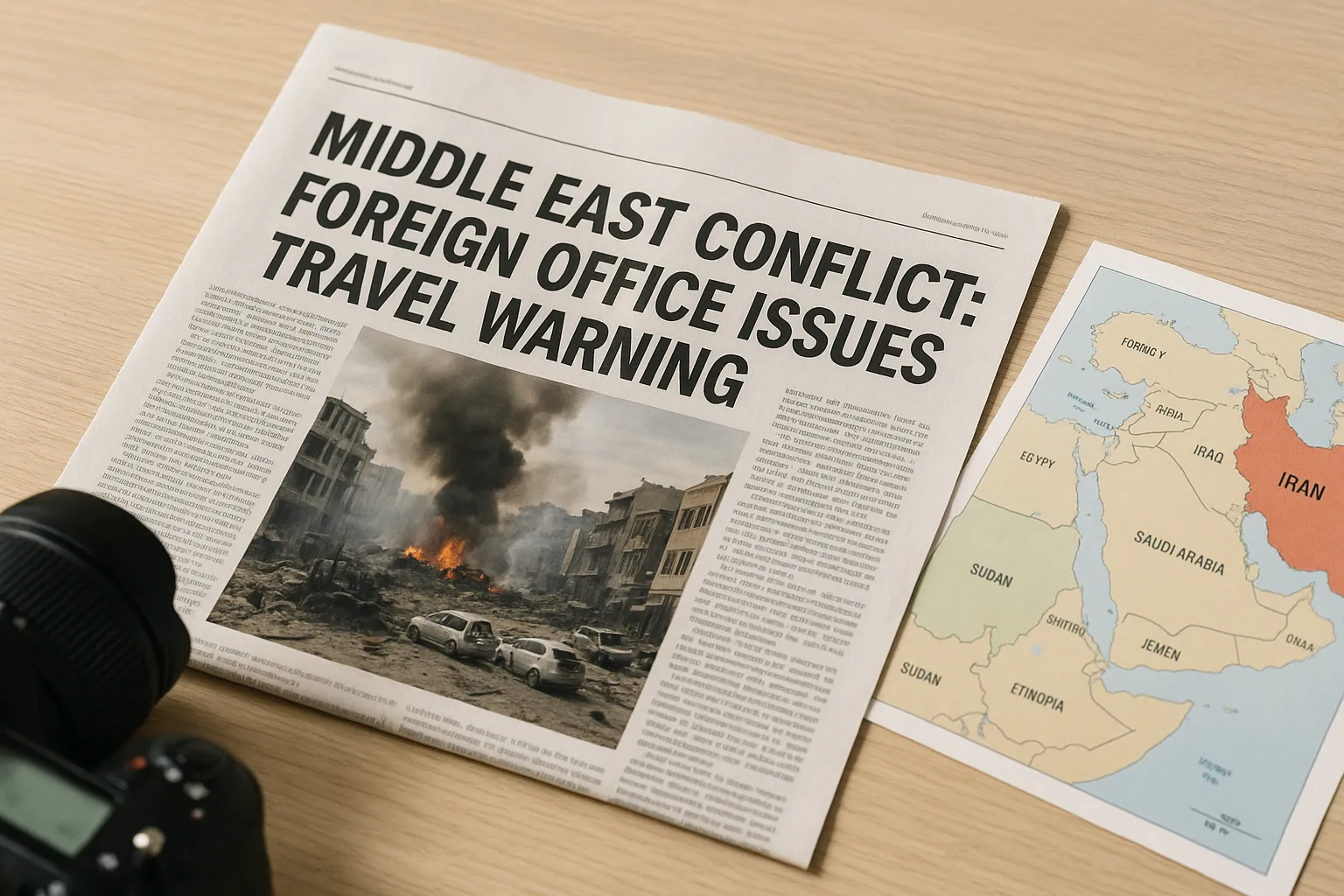
– Recent updates due to escalating Middle East conflict.
– War causes attacks on civilian sites and energy facilities.
– “Do not travel” list updated amid rising tensions.
Full Story
The UK Foreign Office has updated its travel advisory services, covering 226 countries and territories, which provide crucial information on various aspects such as safety, health risks, entry restrictions, and notable legal discrepancies from UK laws. The guidance can vary significantly, advising against travel entirely or permitting it only for essential purposes.
Recent geopolitical tensions have necessitated revisions to travel recommendations, especially concerning regions affected by conflict. As the situation in the Middle East evolves, the Foreign Office emphasises the importance for travellers to consult the latest updates prior to making travel arrangements. Failing to adhere to these guidelines may lead to invalidated travel insurance, which is a significant consideration for those planning journeys abroad.
Amid escalating conflict in the Middle East, particularly following the recent US and Israeli military actions in Iran, which resulted in the death of the country’s supreme leader, the UK Foreign Office has deemed it necessary to reassess travel safety for numerous international locations. These military actions have spurred retaliatory measures from Iran, targeting both Israel and nations allied with the US in the Gulf region. The scope of the conflict has broadened, affecting not only military targets but also civilian infrastructure and energy resources.
The repercussions of this ongoing conflict have quickly drawn in additional nations, including significant political and military implications for Cyprus and Lebanon, with civilian casualties and extensive damage reported on all fronts. The recent hostilities highlight the volatile nature of regional politics and the potential risks faced by those travelling in or to these areas.
In conjunction with other updates, the Foreign Office has outlined a comprehensive list of countries where travel is discouraged or outright prohibited, reflecting the current landscape of risks associated with various destinations. This list, available on the government’s official website, serves as a critical resource for British citizens contemplating international travel.
The nature of travel warnings typically encompasses a range of threats including political instability, health emergencies, and natural disasters. The Foreign Office’s detailed advisories aim to support British nationals in making well-informed decisions, highlighting the complexities involved in international travel during times of unrest.
As factors such as terrorism and local unrest can escalate without warning, the Foreign Office continues to advocate for travellers to remain vigilant and informed. The latest advisory updates reflect not only immediate threats but also long-standing geopolitical undercurrents that may complicate foreign travel.
The importance of relying on official advice cannot be overstated, particularly in light of the implications that disregarding such guidance may have on travel insurance policies. Individuals considering travel to regions listed under “do not travel” advisories are urged to carefully reevaluate their plans and seek updated information from credible government sources.
In the broader context, the implications of the conflict extend beyond immediate military actions, affecting regional stability and the safety of local populations. This has significant repercussions for international relations and diplomacy, with nations attempting to navigate the challenges posed by ongoing hostilities.
As turmoil continues, it is vital for British citizens and prospective travellers to remain apprised of the Foreign Office’s advisories and consider them fundamental to their travel planning process. While many may be eager to explore new destinations, the current geopolitical landscape necessitates a cautious and informed approach.
Given the recent escalation in the Middle East, travel plans to affected regions should be critically assessed. The Foreign Office’s commitment to providing timely and relevant updates serves as a vital precautionary measure, ensuring citizens are equipped with the necessary information to navigate these uncertain times.
In conclusion, with the rapidly shifting dynamics in the Middle East, the UK Foreign Office stands resolute in its mission to safeguard British nationals abroad. Continuous monitoring and updates to travel advisories demonstrate the department’s proactive stance in the face of evolving global threats. For anyone considering travel, understanding these advisories is essential for ensuring safety and compliance with legal obligations while abroad.
Our Thoughts
The article highlights the importance of heeding travel advice from the UK Foreign Office to ensure safety. To prevent incidents related to travel during conflicts or crises, individuals should regularly check the latest travel guidance and assess risks before planning trips, aligning with the Health and Safety at Work Act 1974, which emphasizes the need for ensuring safety in all activities.
Key lessons include the necessity for travelers to understand that ignoring travel warnings can invalidate insurance coverage, highlighting the importance of following guidelines to mitigate risks. Additionally, the Provision and Use of Work Equipment Regulations (PUWER) 1998 stress that proper risk assessments should be conducted, which can apply to the travel industry as part of duty of care towards travelers.
To prevent similar incidents, it is crucial for authorities to improve communication regarding risks and ensure timely updates are provided to travelers. Businesses must implement training around risk assessment and response protocols for employees considering travel to high-risk areas. Ensuring compliance with health and safety legislation can significantly reduce the risks associated with international travel during volatile situations.