









Story Highlight
– Crayola craft boxes recalled over asbestos contamination risk.
– Government advises keeping products away from children.
– Recall affects two specific Crayola craft box models.
– Multiple retailers involved in selling the contaminated kits.
– Consumer group calls for improved product safety checks.
Full Story
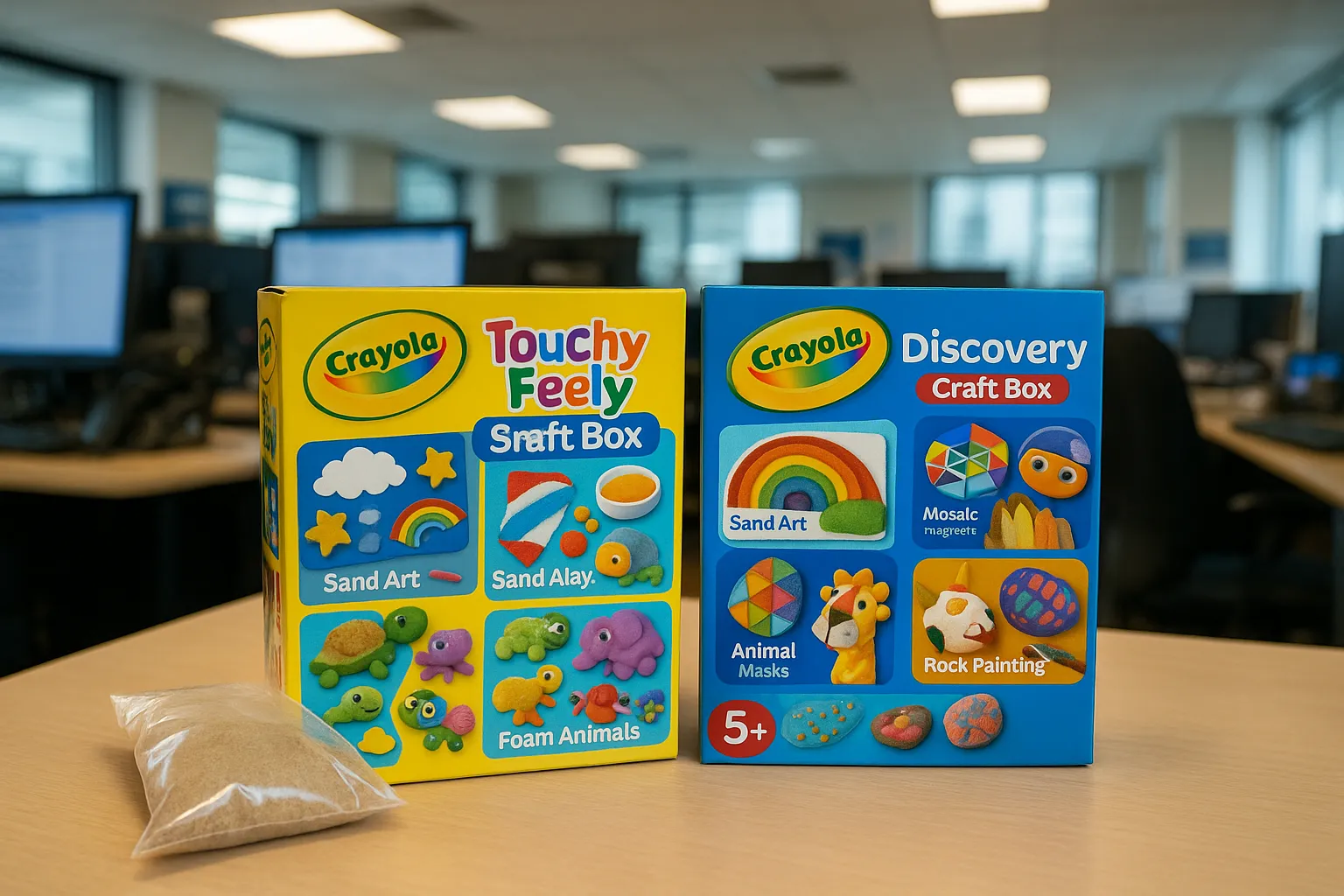
Two craft kits for children under the Crayola brand have been recalled due to concerns regarding potential asbestos contamination in the included sand. The implicated products are the Crayola Touchy Feely Craft Box, also referred to as the Sensory Craft Box, and the Crayola Discovery Craft Box. As a precautionary measure, the government has urged consumers to immediately cease use of these items and ensure they are kept out of reach of children.
The Office for Product Safety and Standards (OPSS) has indicated that these craft kits pose a health risk because they may contain trace amounts of asbestos. This substantial warning follows a concerning pattern this year, with numerous children’s products facing the same alarming issue. Consumer advocacy group Which? noted that this incident highlights a “worrying trend” regarding the safety of children’s items.
Asbestos is known to be a hazardous material, with prohibitions in place owing to its health risks, even in minuscule quantities. The recalled Crayola products, manufactured in China, have been sold at well-known retailers, including Argos, Asda, Sainsbury’s, and The Works.
In its recall announcement, The Works stated, “Testing has shown that the sand inside some products may contain trace levels of asbestos.” They further elaborated, “As asbestos should not be present in any amount, we are recalling the affected items as a precaution.” The recall pertains to the Discovery Craft Box kits that were available for purchase from August 2025 to April 2026, as well as the Touchy Feely Craft Box units sold during a similar timeframe.
Additionally, Asda has joined in the recall of the Discovery Craft Box, with both products also being recalled by the importer Hunter Price International Limited. The OPSS has issued guidance on the handling of these items, advising that if any contaminated sand remains in its packaging, it should be placed in a heavy-duty plastic bag, sealed securely with tape, and stored away from children. Furthermore, individuals are encouraged to wear gloves and masks while cleaning any areas contaminated by the sand, utilising wet cloths to minimise dust creation, and to double bag the contaminated materials along with any gloves and cloths used in the cleanup process.
The OPSS stresses the importance of ensuring that children and others remain away from any locations where the sand has been used until a thorough cleaning has occurred. Affected consumers are urged to contact the retailer from whom they purchased the kits to obtain a refund.
Thus far in the current year, there have been numerous product recalls concerning asbestos risks, which have involved items sold by various retailers such as John Lewis, Hobbycraft, Amazon, and eBay, as reported by Which?. The organisation’s head of consumer protection policy, Sue Davies, expressed her concerns about the recall of another children’s product, particularly one associated with a reputable brand like Crayola that is widely available from popular retailers. She stated, “This raises serious questions about the effectiveness of product safety checks before items reach shop shelves.”
Davies called for manufacturers and retailers to enhance their safety protocols to prevent harmful products from reaching consumers. Furthermore, she recommended that the OPSS investigate the sale of toys that may contain asbestos on online marketplaces, which are generally less regulated than traditional retail environments.
As this situation develops, Crayola has been approached for comment regarding the recall and the associated safety concerns. The trend of recalls linked to potential asbestos contamination is alarming, prompting calls for greater scrutiny and improved safety measures throughout the manufacturing and retailing processes.
As a significant issue in consumer safety, particularly concerning children’s products, this development stresses the need for rigorous product safety evaluations prior to market release. It is vital for manufacturers to undertake stringent testing procedures to avoid similar incidents in the future, ensuring that hazardous materials like asbestos are completely excluded from all consumer goods.
In light of these ongoing concerns, consumers are reminded to remain vigilant when purchasing items for children, especially those labelled as crafting or educational tools. It is imperative to closely follow announcements from regulatory bodies and retailers concerning product safety, and to exercise caution with any items that have been flagged for health risks.
This incident not only serves as a reminder of the potential dangers associated with seemingly benign products but also highlights the importance of diligence by both manufacturers and consumers in safeguarding health and wellbeing.
Our Thoughts
The recent recall of Crayola craft boxes due to potential asbestos contamination raises significant health and safety concerns that could have been mitigated. Key actions that could have been taken include stringent supplier audits and enhanced testing protocols for materials used in children’s products, particularly regarding hazardous substances like asbestos, which is strictly banned under UK regulations, including the Control of Asbestos Regulations 2012.
The importation and sale of these contaminated products indicate a breach of the General Product Safety Regulations 2005, which mandate that products must not present a risk to health and safety. Additionally, the frequent recalls of children’s products this year signal systemic issues in product safety checks. Retailers and manufacturers must implement more robust quality assurance processes to identify and eliminate hazardous materials before products reach consumers.
To prevent similar incidents, regular testing and adherence to the regulatory framework governing product safety should be enforced, particularly for goods imported from countries with different safety standards. Furthermore, the Office for Product Safety and Standards could strengthen its oversight of online marketplaces, where regulation is less stringent, to ensure consumer safety.