















Story Highlight
– Mould growth found in Glasgow hospital cancer ward.
– Some rooms sealed due to water ingress concerns.
– National inquiry ongoing since 2019 after patient deaths.
– Safety measures implemented for immunosuppressed patients.
– New oversight group announced for public confidence.
Full Story
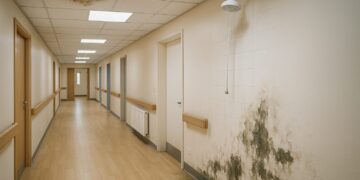
Mould contamination has been discovered within a cancer treatment ward at the Queen Elizabeth University Hospital (QEUH) in Glasgow, a revelation confirmed by the Scottish Health Secretary, Neil Gray, during a session with Members of the Scottish Parliament (MSPs). This situation comes amid ongoing scrutiny of the facility, which has been the focus of a national investigation launched in 2019 following multiple patient deaths and alarming infection rates.
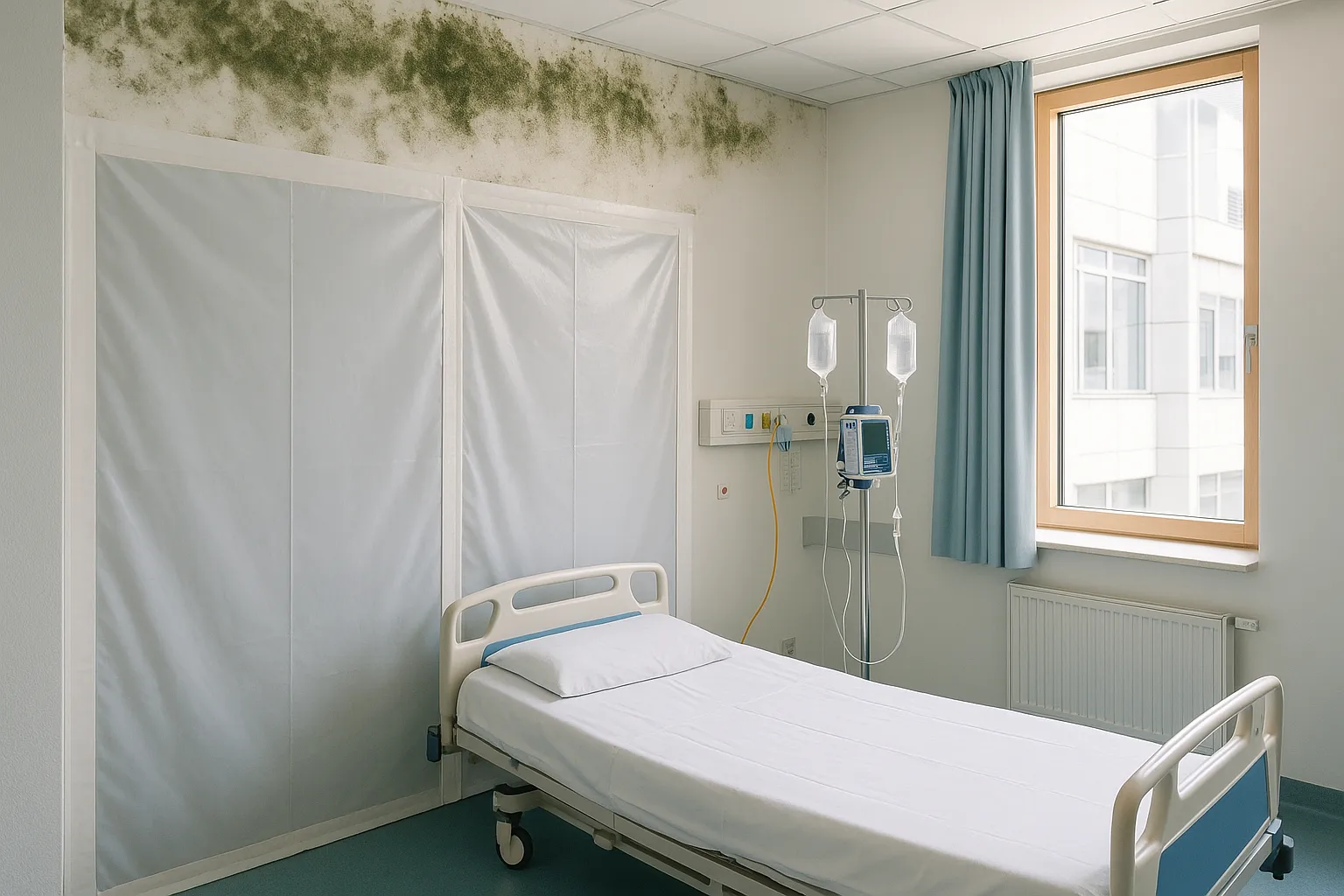
Last month, specific areas of the adult bone marrow transplant unit at QEUH were temporarily sealed due to concerns about potential water ingress. During his address, Gray specified that mould was identified in one of the previously sealed rooms. The Health Secretary stated, “In the interests of full transparency, I am making Parliament aware that this morning it was confirmed that a swab taken from room 85, which was closed on 19 February, has shown mould growth.”
Gray’s comments were prompted by questions from Scottish Conservative MSP Meghan Gallacher, who raised concerns over the hospital’s ongoing water issues. The gravity of these developments has raised alarm bells about the well-being of patients, particularly those undergoing bone marrow transplants, a category known for its immunocompromised individuals.
In response to inquiries about the scope of inspections beyond the affected room, Gallacher expressed the urgency of the situation, noting, “The cabinet secretary has just outlined bone marrow transplant patients are among the most vulnerable in the NHS, and common airborne mould can cause life-threatening infections.” She pressed for clarity regarding further assessment of the ward and the accountability for these latest revelations.
In addressing the continuing concerns, Gray acknowledged his recent visit to the hospital, indicating that measures were being undertaken to ensure patient safety during ongoing treatments. He explained, “There are rooms that are closed in order to manage safety and to take a risk-averse approach.” The Health Secretary also highlighted the importance of ensuring a secure environment for patients undergoing treatment for serious health conditions.
Furthermore, the alert status for the affected ward had shifted dramatically, with First Minister John Swinney confirming that a red alert was issued due to the seriousness of the situation. The escalation process began with an amber alert on 26 February, upgraded to red on 5 March, before returning to amber. Both Gray and Swinney have noted that the increased visibility and concern surrounding these alerts have been significantly influenced by media coverage, rather than indicating an immediate and escalating risk to patient safety.
While some may view the enhanced media attention as a catalyst for action, Gallacher emphasised the public’s right to be informed about the health implications for patients in vulnerable conditions. Her inquiries sought to ensure that all hospital facilities were undergoing rigorous inspections to preempt further instances of contamination.
Amid these concerns, NHS Greater Glasgow and Clyde has initiated a new oversight group, aimed at restoring public confidence in the operations of QEUH. The health board has faced scrutiny not only regarding the immediate safety of patients but also over its long-term response to the ongoing issues that have plagued the facility.
The Queen Elizabeth University Hospital, one of the largest hospitals in the UK, has faced a tumultuous period marked by tragedy and concern over patient safety. Investigations into the causes of fatalities and infections in the past have raised questions about the hospital’s infrastructure, particularly its water systems. Earlier this year, disclosures revealed that infections in child cancer patients were likely linked to the hospital’s water supply, amplifying scrutiny from families and the public alike.
As the hospital navigates these challenges, the pressing question remains: what concrete steps will be taken to address the mould concerns and ensure the continued safety of its patients? The Health Secretary’s acknowledgment of the vulnerabilities faced by patients receiving treatment in the bone marrow unit underscores the necessity for swift and decisive action.
With ongoing investigations and heightened vigilance from health officials, the focus now rests on restoring trust among the community and patients who rely on QEUH for critical healthcare services. Experts warn that transparency and accountability are vital for fostering confidence in the healthcare system, especially in light of the hospital’s recent crisis.
As the situation develops, further updates from NHS Greater Glasgow and Clyde, as well as ongoing assessments of patient safety protocols, will be essential in determining the future operational integrity of the Queen Elizabeth University Hospital. The NHS and Scottish Government continue to convey that patient safety remains paramount, urging the public to remain informed as inquiries progress.
Our Thoughts
The incident at the Queen Elizabeth University Hospital highlights several key areas for improvement in health and safety management, particularly regarding environmental control in vulnerable patient areas. To mitigate risks associated with mould growth and potential water ingress, more rigorous preventive maintenance protocols for hospital infrastructure should be established, complying with the Control of Substances Hazardous to Health (COSHH) Regulations 2002, which necessitate ensuring a safe environment for patients, especially those who are immunocompromised.
Regular inspections and risk assessments under the Management of Health and Safety at Work Regulations 1999 could have potentially identified and addressed the issues of water ingress and mould earlier. The hospital’s failure to respond adequately to previous alerts regarding the water system breaches the Healthcare Associated Infections (HAIs) legislative guidelines, emphasizing the need for effective infection control measures to protect vulnerable populations.
Moving forward, it is essential that the hospital implements a robust action plan that includes increased oversight and accountability, ensuring prompt reporting and response protocols for similar hazards to prevent future incidents.