













Story Highlight
– UKHSA and MHRA warn against four wet wipe brands.
– 62 illnesses and six deaths linked to contaminated wipes.
– Burkholderia stabilis poses risk, especially for vulnerable individuals.
– Check first aid kits for affected products, dispose immediately.
– Consult healthcare professionals if symptoms or concerns arise.
Full Story
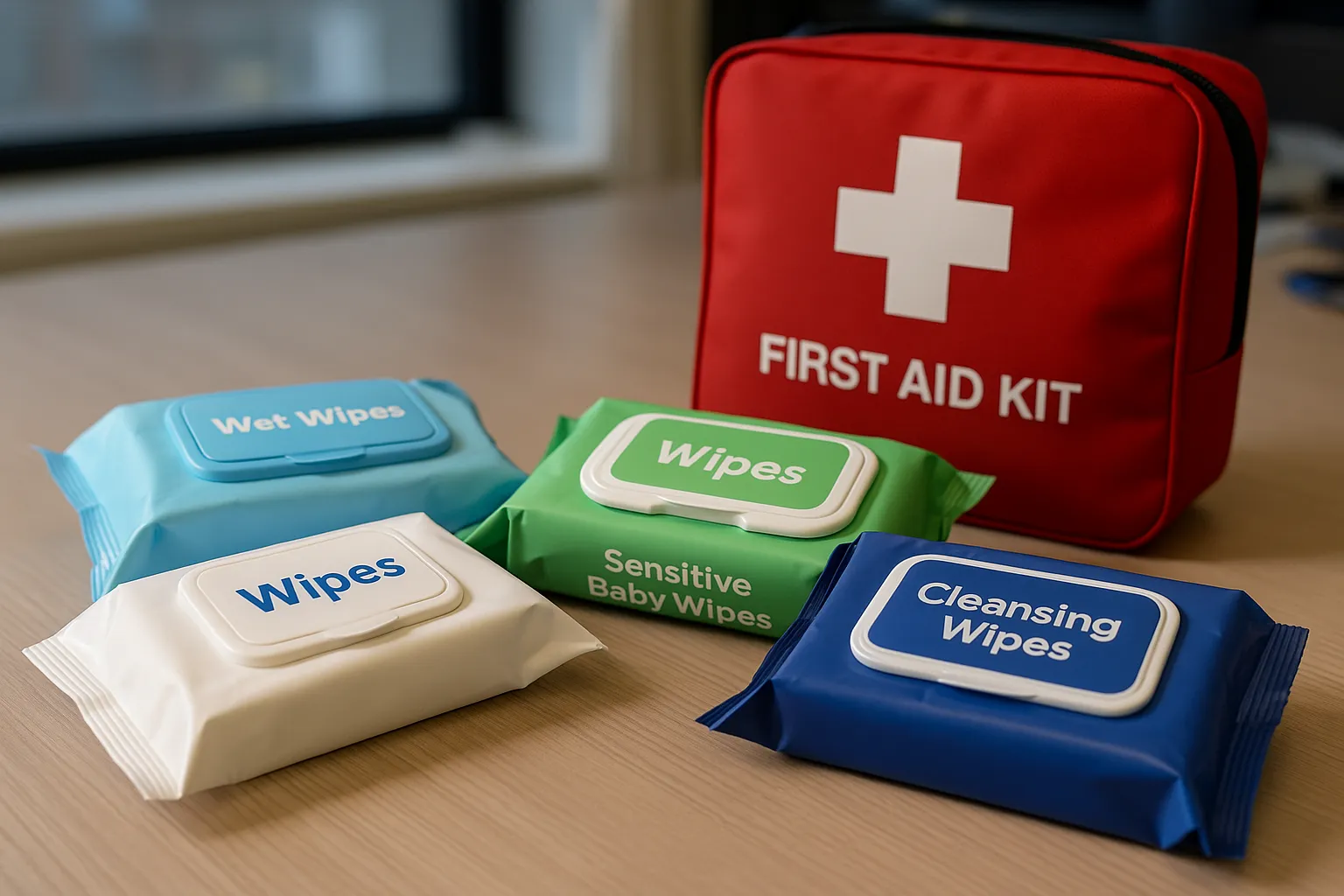
The UK Health Security Agency (UKHSA) and the Medicines and Healthcare products Regulatory Agency (MHRA) have taken the extraordinary step of issuing a public health alert regarding four brands of alcohol-free wet wipes after the presence of a dangerous bacterium was confirmed. This warning comes amidst reports linking these products to 62 illnesses and six fatalities across the UK.
According to recent communications shared online, notably on the platform X, the UKHSA has identified the bacterium Burkholderia in specific wet wipe products. The health agency described Burkholderia as typically harmless to healthy individuals, yet capable of causing severe infections among certain vulnerable populations. “Burkholderia found in certain wipes. #Burkholderia is a bacteria that rarely causes harm in healthy people but sometimes causes serious infections, particularly for those with certain medical conditions or managing IV lines at home,” the agency stated.
In light of these findings, the public is firmly advised to refrain from using any wipes associated with this warning. Households are encouraged to inspect their first-aid kits and dispose of any affected products responsibly. The agency reiterated its warnings: “If you own any of these wipes, we remind you to stop using them. These products should not be used; please check your first aid kits and if you find any, dispose of them.”
Investigations have traced the contamination of Burkholderia stabilis back to a series of non-sterile, alcohol-free wipes linked to an outbreak that began in January 2018 and continued to affect individuals until February 2026. To date, 59 confirmed cases of Burkholderia stabilis infections have been reported, including severe instances that necessitated hospital treatment. Alarmingly, a single death has been specifically associated with an infection from this bacterium.
Burkholderia stabilis is classified as a naturally occurring bacterium and typically presents a low risk to the general public. Nonetheless, for individuals with weakened immune systems or pre-existing health conditions—such as cystic fibrosis, or those managing intravenous lines—this bacterium poses a significantly higher threat. Health authorities have indicated that, as of now, there is no evidence pointing to human-to-human transmission of the bacteria.
In response to this emerging health crisis, the MHRA mandated retailers to withdraw the implicated wipes from sale back in July 2025. However, it is believed that some of these products may still be lurking in homes and first-aid kits, prompting the agencies to remind the public to conduct thorough checks for the affected wipes. Those who are in possession of such items should terminate usage immediately and dispose of them in their regular refuse.
Dr Alison Cave, Chief Safety Officer at the MHRA, emphasised the ongoing commitment to patient safety, stating: “Patient safety is the MHRA’s top priority. The MHRA issued notices to sellers of specific products in July, resulting in their withdrawal from sale. If you have any wipes at home or work, double-check they are labelled ‘sterile’ before using on broken skin. Follow the advice of your clinical team, GP or community nurse in the care of your intravenous line.”
The signs of a Burkholderia stabilis infection may differ based on the severity and location of the infection. Common symptoms associated with wound infections include redness and swelling, heightened pain, an increased sense of warmth around the affected area, and pus or drainage. For individuals with intravenous lines, the symptoms may manifest as redness and swelling around the insertion point, or may escalate to fever and chills. In extreme instances, infections may lead to septic conditions, where symptoms could include confusion, a rash, and breathing difficulties.
For those who are facing non-healing wounds or have developed a fever post-injury, the UKHSA insists that urgent contact with NHS 111 is essential. Similarly, individuals managing intravenous lines who encounter worries about their condition are advised to reach out to their designated care teams without delay.
The emergence of this health alert underscores the importance of vigilance in public health, especially regarding medical products that may seem innocuous at first glance. Communities are encouraged to engage in proactive health measures, including regularly checking first-aid supplies and staying informed about safety advisories from health agencies. As further investigations continue, health officials remain committed to ensuring the safety and welfare of all citizens.
Our Thoughts
To avoid the health risks associated with the contaminated wet wipes, several preventative measures could have been implemented. First, manufacturers should adhere to stringent quality control measures and ensure compliance with the Health and Safety at Work Act 1974, which mandates the provision of safe products. Regular microbiological testing of products, especially non-sterile items, is essential to detect harmful pathogens before reaching consumers.
Furthermore, better labeling practices could assist consumers. Clear indications of sterility and warnings about risks for immunocompromised individuals could have heightened awareness and precautions among users.
The Medicines and Healthcare products Regulatory Agency (MHRA) and UK Health Security Agency (UKHSA) initiated recalls, yet earlier action may have mitigated exposure risks. The remarkable time span of the outbreak from 2018 to 2025 also highlights potential failures in monitoring and rapid response protocols that could breach the Management of Health and Safety at Work Regulations 1999.
Lastly, public education campaigns about the safe use and risks of sanitizing products would better inform consumers about infection control measures. Continuous improvement of safety regulations concerning personal care products is essential to prevent similar incidents in the future.