















Story Highlight
– Captain Philip Gilbert Muldowney, 25, died during training.
– Incident occurred at Otterburn Training Area in Northumberland.
– Gunshot wound believed to enter through back, exit shoulder.
– Investigation by police, Health and Safety Executive ongoing.
– Inquest adjourned to May 19, 2027; provisional date.
Full Story
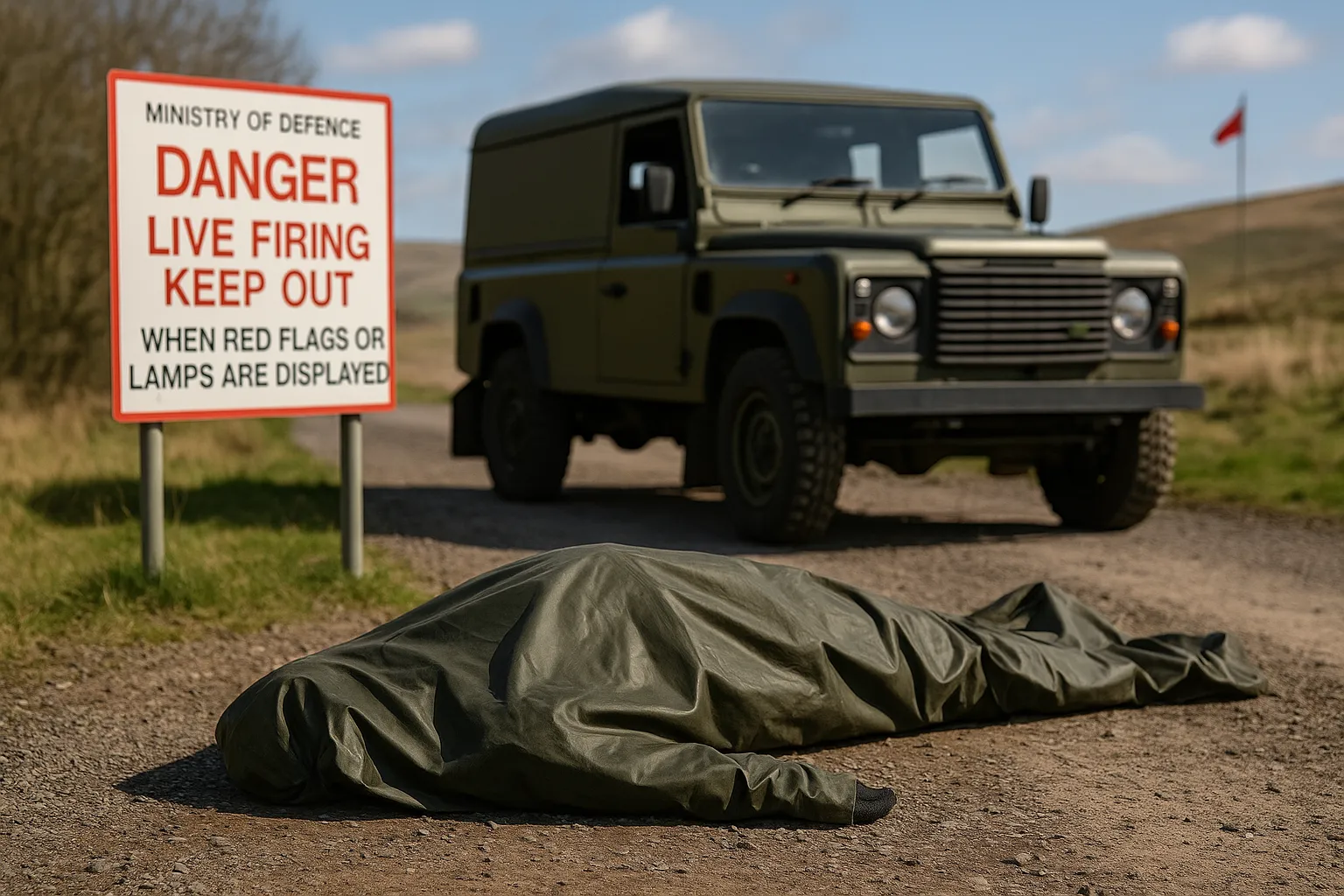
An investigation is underway following the tragic death of a British Army officer during a live firing training exercise at Otterburn Training Area in Northumberland. Captain Philip Gilbert Muldowney, aged 25, lost his life on January 25, raising serious concerns and prompting inquiries from relevant authorities.
The inquest into his untimely death commenced at Northumberland Coroner’s Court, located at County Hall in Morpeth, where Senior Coroner Andrew Hetherington presided. During the proceedings, Mr. Hetherington confirmed that Captain Muldowney, affectionately known as ‘Gilbert’, was engaged in a training drill at Otterburn Camp when the incident occurred.
According to the coroner’s statements, Captain Muldowney sustained a gunshot wound, which was likely to have entered through his back and exited through his left shoulder. Responding swiftly to the emergency, military medics attempted to perform CPR, while ambulance services were also summoned. Unfortunately, despite their efforts, Captain Muldowney was pronounced dead at the scene.
The circumstances surrounding the incident are being assessed by several bodies, including Northumbria Police, the Health and Safety Executive, and the Defence Safety Authority. These agencies are conducting a thorough service inquiry to ascertain how such a catastrophic event could happen in a controlled training environment.
In addressing the inquest, Mr. Hetherington remarked, “In the circumstances, I formally open this inquest and adjourn to May 19, 2027. However, this is very much a provisional date, and we will consider alternative scheduling.” This scheduled adjournment allows for further investigation while ensuring that the family’s need for answers is a priority.
Captain Muldowney’s family was present at the inquest via video link, sharing in the sombre atmosphere that accompanied the proceedings. Raised in County Roscommon, Ireland, he had dedicated his service to the British Army as a fire support commander with the 129 (Dragon) Battery of the 4th Regiment Royal Artillery. His commitment to his role and colleagues was evident, and he was remembered fondly by those who knew him.
In the wake of his death, tributes have poured in, portraying Captain Muldowney as a compassionate individual, noted for his competence and infectious joy. Friends and fellow soldiers have expressed their heartbreak, highlighting that his positive spirit left a significant impact on those around him.
Captain Muldowney began his military career on January 5, 2020, virtue of his commission into the Royal Artillery taking place shortly thereafter on December 11, 2020, following rigorous training at the esteemed Royal Military Academy Sandhurst. His journey through the ranks reflected a commitment to serve, embodying the values and ethos of the Army.
This incident not only raises questions about the safety protocols during training exercises but also calls attention to the inherent risks involved in military training. As investigations continue, military officials may consider reviewing existing safety measures to avert similar tragedies in the future.
In related discussions, experts in military training noted the significance of comprehensive safety procedures in mitigating risks. It is essential for military training environments, particularly those involving live ammunition, to maintain stringent safety protocols. Learning from incidents such as that which befell Captain Muldowney may lead to enhanced training practices and potentially save lives.
The community surrounding the Otterburn Training Area, well aware of its critical role in military readiness, is also mourning this loss. Local residents have expressed their condolences and support, recognising the risks associated with military life and the sacrifices made by service members and their families.
As the investigation progresses, it is hoped that a clearer understanding will emerge regarding the tragic circumstances of Captain Muldowney’s death. His dedication to service, paired with the promising potential of a young officer, underscores the importance of ensuring the highest safety standards in military training.
The inquest serves not only as a legal proceeding but also as a beacon for learning and evolution in military practices. It highlights the intersections between training rigor and safety, reminding all involved — from policymakers to soldiers on the ground — of the paramount importance of safeguarding lives in line with military training operations.
As we await the findings from the ongoing investigations, the focus remains firmly on Captain Muldowney’s legacy and the impact of his life and service, while striving to understand how to best preserve the wellbeing of those who serve in the armed forces.
Our Thoughts
The tragic death of Captain Philip Gilbert Muldowney during a live firing training exercise underscores significant safety concerns. To mitigate such incidents, a thorough risk assessment in compliance with the Health and Safety at Work Act 1974 should have been conducted, evaluating the potential hazards associated with live ammunition training.
Proper training protocols and safety measures must be reinforced, ensuring all personnel are well-versed in handling firearms and emergency response procedures. The requirement for adequate supervision and adherence to the Armed Forces’ health and safety policies is essential to prevent breaches of regulations like the Management of Health and Safety at Work Regulations 1999, which mandate appropriate measures to protect employees.
Additionally, ensuring that all safety equipment is in optimal condition and that clear communication channels are established during training exercises can help prevent misunderstandings leading to dangerous situations. Regular safety drills, alongside audits of live training exercises, could further enhance safety practices, aligning with the principles of the HSE. By instituting these measures, similar incidents could potentially be avoided in the future.