














Story Highlight
– Strike action planned by Cheshire glass factory workers.
– Workers emphasize job cuts impact on health and safety.
– Encirc states operations will not be compromised.
– Unite union demands employer address workers’ concerns.
– Industry downturn attributed to economic factors and regulations.
Full Story
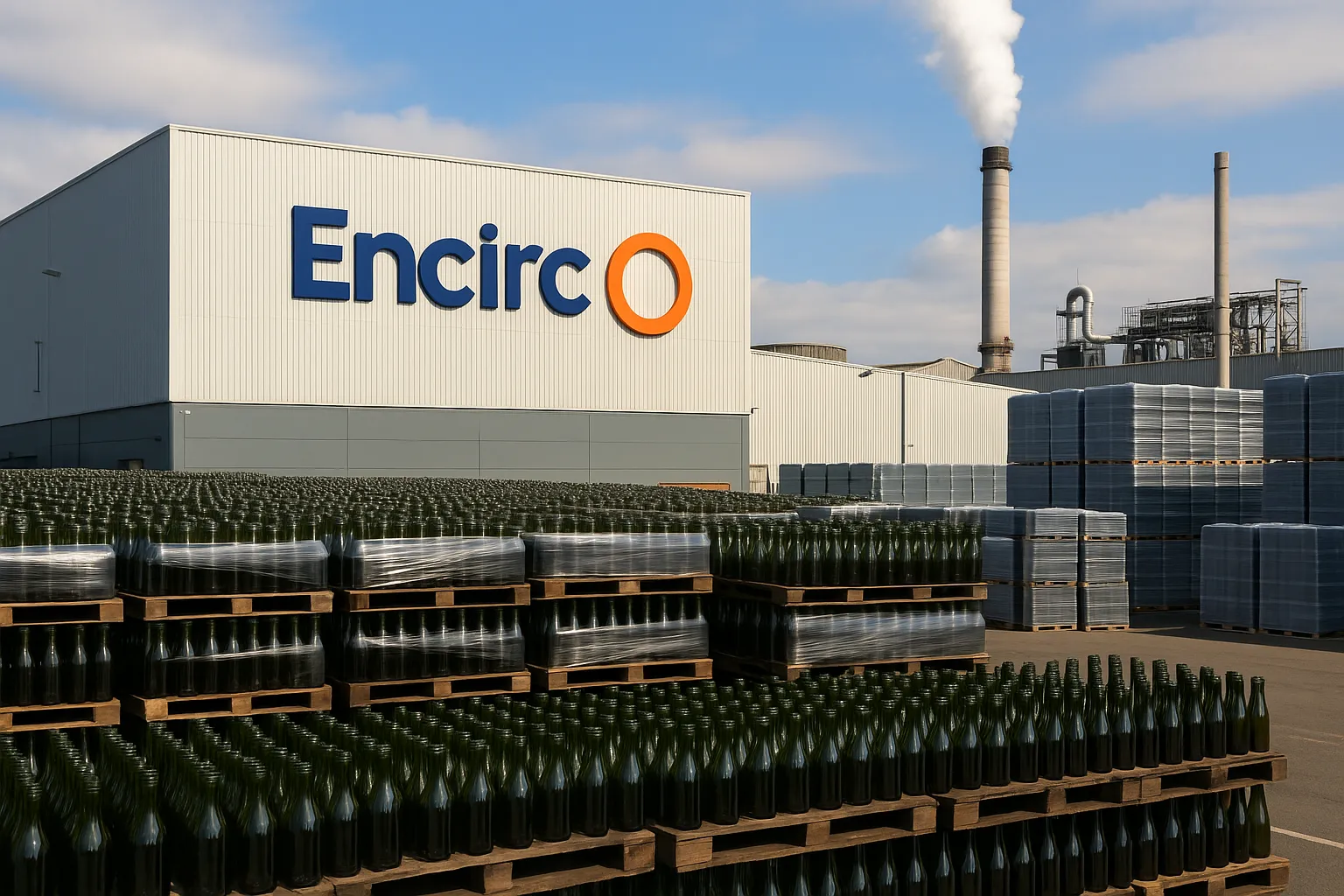
Workers at a glass manufacturing facility in Cheshire are set to escalate their strike action in response to job cuts affecting their workforce. Members of Unite the Union, employed at Encirc’s Elton plant, previously undertook strikes last month from March 28 to 30 and again from April 3 to 7, protesting against the planned reduction of nearly 30 positions at the site.
Now, the union has announced additional walkouts that will extend to the night shifts scheduled between April 16 and April 28, as well as further actions from May 9 to May 15. The protest arises amid concerns that the workforce reduction will hinder health and safety conditions at the factory.
Workers have reported that the diminishing staff levels are contributing to physical exhaustion and mental fatigue, which they fear increases the risk of workplace accidents. Unite claims that these conditions cannot be overlooked as the health and safety of its members is paramount.
In response, Encirc has expressed its disappointment regarding the further planned industrial action, insisting it will not compromise the safety of its employees. An Encirc spokesperson reiterated the company’s commitment to providing a safe working environment, stating, “We would never do anything that puts anyone at risk,” and emphasised they have robust contingency measures in place to prevent any shortages of products.
Sharon Graham, General Secretary of Unite, commented, “Further strike action will no doubt be disruptive to Encirc’s operations – but it is entirely the fault of the employer. By implementing redundancies, Encirc put profits over people.” She further stressed the need for the company to engage with workers and provide satisfactory responses to their legitimate concerns.
Andrew Johnson, the regional officer for Unite, highlighted frustrations with the lack of engagement from Encirc’s management regarding employees’ health and safety issues. He said, “Encirc management has failed to come back to talks around how to solve the problems with health, safety and wellbeing, so members there have felt they have had no choice but to escalate strike action.” Johnson stressed that the numerous planned strike dates would significantly impact the company’s operations if the situation does not change.
Despite the ongoing disruptions, Encirc reassured the public that it remains equipped to meet demand for its products. The spokesperson added, “We have full contingency plans in place and there absolutely will not be any bottle shortages in the UK,” reaffirming the company’s stance that it values dialogue with the union.
The challenges presenting themselves at the Encirc facility come in the context of a broader downturn in glass production across the UK. External factors such as rising energy costs, impacts from the cost of living crisis, and new government policies—including the Extended Producer Responsibility packaging tax—are affecting the industry significantly.
Unite’s members have expressed a deep sense of discontent with the actions taken by Encirc management, fearing that the loss of staff will compromise both efficiency and safety standards. The union calls for urgent negotiations to address these issues, saying that the responsibility for resolution lies with the employer.
With the strikes being an escalation of previous actions, both the workers and the management find themselves at a critical crossroads. The future of operations at Encirc hangs in the balance, as the management must find a way to bridge the growing divide with employees while ensuring production continues smoothly amid the ongoing industrial action.
The situation is being closely monitored not just by stakeholders within the company but also by customers and suppliers reliant on the glass products manufactured at the site. The union maintains that additional action might be on the table if discussions fail to yield satisfactory results, underscoring the seriousness of the workers’ demands.
As the industrial action unfolds, the implications for both workers and management will likely shape not only the future operations of Encirc but also reflect wider trends within UK manufacturing and industry relations in a time of economic uncertainty. The coming weeks will be pivotal, and both parties are under pressure to find pathways toward a resolution that safeguards workers’ rights while addressing operational needs.
Our Thoughts
Encirc’s situation highlights key health and safety concerns that could have been addressed to prevent the escalation of strike action. The significant staffing reductions, nearly 30 personnel, may lead to increased workloads, resulting in worker fatigue and potential safety hazards, contravening the Health and Safety at Work Act 1974, which mandates employers to ensure the health and safety of employees.
To mitigate risks, Encirc could have implemented strategies such as conducting thorough risk assessments focusing on the implications of workforce reductions on operational safety. Engaging more actively with workers and the union to address concerns could have fostered a collaborative environment and reduced tensions.
Lessons include the importance of maintaining sufficient staffing levels to uphold workplace safety and wellbeing, as required by regulations. Establishing a continuous dialogue with employees about health, safety, and job security is also crucial. Encirc should prioritize these discussions to prevent future incidents of industrial action and ensure compliance with safety regulations.