















Story Highlight
– Ashwagandha gains popularity but raises safety concerns.
– Limited clinical research shows mixed effectiveness for anxiety.
– Possible liver damage and drug interactions noted.
– Experts recommend caution, especially for vulnerable populations.
– Ongoing safety reviews may lead to sales restrictions.
Full Story
The landscape of dietary supplements has been dramatically reshaped by the emergence of ashwagandha, a herb that has garnered significant attention in recent years. This adaptogenic herb, revered in traditional Ayurvedic medicine for centuries, is now widely available across health stores and online platforms. However, concerns surrounding its safety and efficacy have prompted several European countries to contemplate bans, necessitating a thorough examination of its potential benefits and risks.
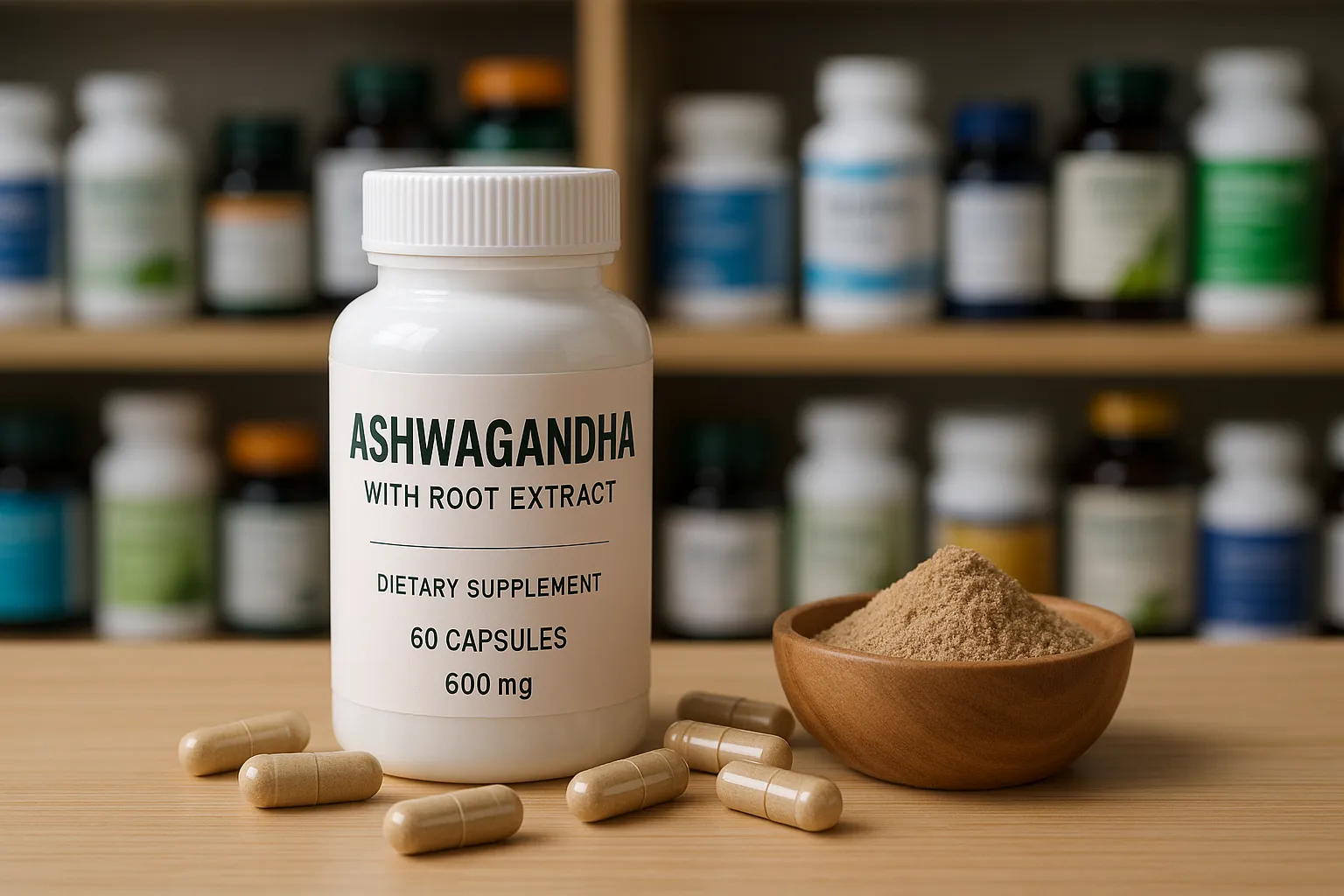
Originating from regions such as the Indian subcontinent, the Middle East, and parts of Africa, ashwagandha is dubbed an adaptogen due to its purported ability to help the body manage stress. Scientific investigations into the herb primarily focus on its root extract, with numerous small-scale, double-blind studies suggesting that doses ranging from 300mg to 600mg of standardized extracts can lead to significant reductions in cortisol, often referred to as the stress hormone. Participants in these studies have typically reported a decrease in anxiety levels compared to those assigned a placebo.
Despite these encouraging findings, the scope of research on ashwagandha remains limited. Many of these trials consisted of fewer than 100 participants and lasted only between eight to twelve weeks. A notable concern is the source of funding for several studies, which often comes from the manufacturers of the supplements themselves. Thus, there is a pressing need for more extensive research to understand the long-term effects and potential high-dose ramifications of ashwagandha consumption. Currently, the herb does not hold any authorized health claims in the United Kingdom.
Furthermore, there is growing trepidation among regulators in Europe regarding the safety profile of ashwagandha. The UK Food Standards Agency (FSA) has launched a “call for evidence,” seeking to evaluate whether sales of ashwagandha should be curtailed, particularly in light of similar actions taken by several European nations. The FSA has noted that the Committee on Toxicology (COT) is in the process of reviewing available data regarding the safety of ashwagandha, focusing on its potential effects on thyroid hormone levels, instances of thyroid toxicity, hypoglycemic effects, and concerns regarding liver safety.
The FSA urged caution, particularly among individuals with pre-existing liver conditions and pregnant women, recommending they avoid ashwagandha supplements until further notice. “While the review is ongoing, we would advise people with pre-existing liver conditions and pregnant women to avoid ashwagandha supplements,” a spokesperson from the FSA stated. The authority is yet to establish a direct causative link between ashwagandha and liver injury, but advises prudence, especially for those who may be more susceptible to adverse effects.
The NHS has echoed these sentiments, advising consumers to be aware of the potential interactions between herbal medicines and conventional medications. This caution is particularly pertinent to ashwagandha, given its known side effects and interactions, which can include significant liver damage, increased thyroid hormone levels, and implications for those with autoimmune disorders.
While some evidence suggests that ashwagandha may elevate thyroid hormone levels, it is crucial for individuals taking medication for thyroid conditions to consult healthcare professionals prior to use. Additionally, the herb could exacerbate autoimmune diseases such as lupus, multiple sclerosis, and rheumatoid arthritis due to its potential immune-stimulating properties.
Pregnant women are also advised against ashwagandha consumption; high doses have been linked to an increased risk of miscarriage, and insufficient data exist to ascertain its safety at lower doses. Concerns about interactions with medications further compound the need for caution.
The current discourse surrounding ashwagandha’s safety is marked by a degree of scepticism regarding the robustness of the existing research. Many experts agree that further studies are imperative to clarify the herb’s safety profile. The general consensus remains one of caution until more comprehensive data is available, particularly in light of the FSA’s recommendations.
For those considering adding ashwagandha to their supplement regimen, it is advisable to select products from reputable brands committed to transparency regarding quality assurance. Consumers should look for certifications like the Traditional Herbal Registration (THR), which indicates that herbal products have undergone thorough regulatory scrutiny. Labels that specify the percentage of withanolides, the herb’s primary bioactive compounds, can also serve as a marker of quality—a lack of such labeling can obscure potency information.
Prior to initiating use of ashwagandha, discussions with healthcare providers are especially crucial for individuals with underlying health conditions or those on regular medications.
Looking towards the future, the COT is expected to release a formal safety assessment of ashwagandha later this year. With current uncertainties regarding long-term effects and the absence of extensive safety data, healthcare professionals are likely to continue advocating for a cautious approach regarding the herb.
In conclusion, while ashwagandha holds promise as a supplement for stress relief and anxiety reduction, potential consumers should be aware of the associated risks and navigate their choices judiciously. Individuals who are pregnant, suffer from liver issues, or have autoimmune diseases should avoid its use, and those taking regular medication are strongly encouraged to consult with their GP before proceeding with supplementation.
Our Thoughts
To mitigate potential health risks associated with ashwagandha, several steps could have been implemented. Firstly, clearer regulatory guidance from the UK Food Standards Agency (FSA) and a more thorough evaluation of the safety data could have been established prior to the widespread promotion and sale of this supplement. Compliance with the Food Safety Act 1990 and the regulation of food supplements under the Food Supplements (England) Regulations 2003 should ensure that safety assessments are conducted comprehensively, especially for products touted for health benefits.
Additionally, manufacturers should adhere to Good Manufacturing Practices (GMP) as outlined in the Herbal Medicines Regulations 2016, ensuring rigorous quality assurance and risk assessments. Transparent labeling indicating potential risks, such as interactions with existing medications and vulnerable populations (e.g., pregnant women), should be mandatory.
Lastly, raising public awareness about the possible side effects and interactions of herbal supplements could prevent misuse or over-reliance on products lacking sufficient clinical validation. This aligns with the Health and Safety at Work Act 1974, which emphasizes the obligation to protect health. By prioritizing comprehensive safety evaluations and accurate information dissemination, similar incidents might be avoided in the future.