













Story Highlight
– UK vaccine programme praised as an “extraordinary feat.”
– Urgent reforms needed for vaccine injury payment scheme.
– Maximum payouts proposed to increase to £200,000.
– Vaccine hesitancy issues highlighted among specific communities.
– Inquiry recommends better vaccine monitoring and targeted strategies.
Full Story
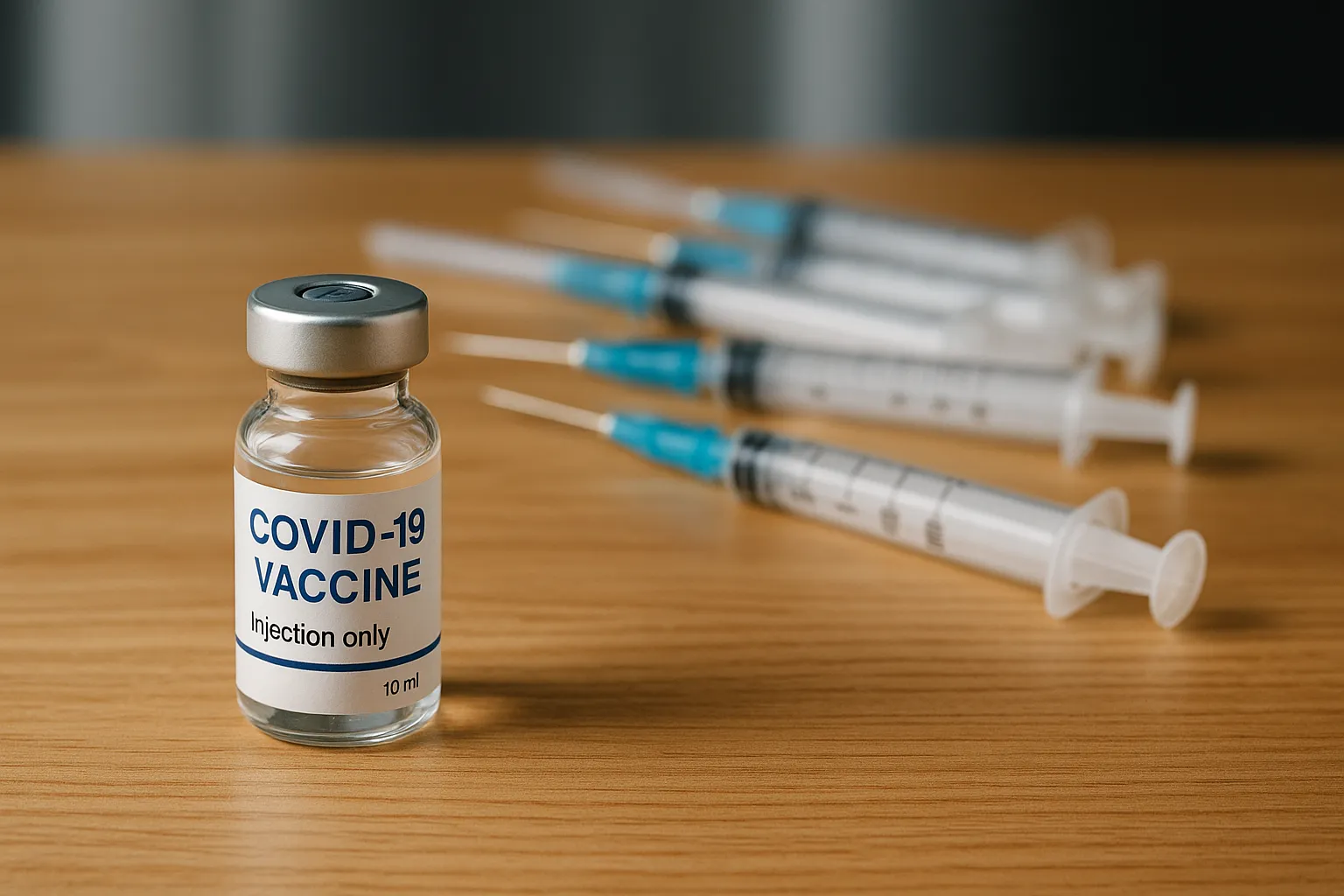
The inquiry into the UK’s Covid-19 vaccine programme has heralded it as an “extraordinary feat,” while simultaneously urging significant reforms to the compensation system for those harmed by vaccination. Led by Baroness Heather Hallett, the inquiry’s latest report emphasises the UK’s prominent role in biomedical sciences, positioning it favourably for the rapid development and distribution of vaccines.
Baroness Hallett’s report underlines the imperative for the government to urgently overhaul the existing payment scheme for the “small minority” of individuals who have suffered injuries due to vaccines. The report advocates an increase in the maximum compensation from £120,000 to at least £200,000, highlighting the necessity to eliminate the current requirement for claimants to demonstrate at least 60% disability to qualify for compensation. This stipulation, she asserts, leaves many individuals with significant health impacts unsupported.
In her findings, Baroness Hallett remarked, “This part of the scheme should be reformed as a matter of urgency, and consideration should be given to a graduated threshold scheme.” This approach would allow for more nuanced support for those whose lives have been considerably affected by vaccine-related injuries, regardless of whether they meet the stringent disability threshold.
Alongside these recommendations, the inquiry chair called for dedicated efforts to combat global vaccine hesitancy, urging government action to understand the barriers faced by various groups in accessing vaccinations. The latest report, released on Thursday, represents the fourth examination into the UK’s pandemic response focusing specifically on vaccines and therapeutics.
In the foreword of the comprehensive 274-page document, Baroness Hallett expressed confidence in the processes that ensured vaccine safety and efficacy during the pandemic. She noted, “These included rigorous trials and regulatory approval processes and the taking of prompt action when any problem was identified.” By March 2023, it was reported that vaccines had saved around 475,000 lives in England and Scotland, while millions more were saved globally. Baroness Hallett concluded, “On any objective analysis, the risks of the Covid-19 vaccines were carefully managed and were far outweighed by the benefits.”
Despite recognising the achievements of the vaccination rollout, Baroness Hallett also conveyed empathy toward those adversely affected, acknowledging their often-overlooked suffering. “I heard moving evidence of representatives from the vaccine injured and bereaved core participant groups, who have often felt silenced, ignored or treated as vaccine deniers,” she stated. She affirmed the necessity of a supportive government scheme for these individuals and their families.
The inquiry drew attention to the fact that the one-off, tax-free Vaccine Damage Payment, capped at £120,000, had not been updated since 2007. Baroness Hallett pointed out the need for immediate reform, remarking, “It should be raised at least to come into line with inflation.” She proposed an inflation-based adjustment that could potentially elevate payments to over £200,000 by December 2025 and called for continual annual increments alongside the introduction of multiple payment tiers to reflect the severity of injuries incurred.
The report also revealed concerning statistics regarding the acceptance rate for vaccine damage claims, which stood at under 2% of applications reviewed by November 2024. Addressing the issue of vaccine hesitancy, Baroness Hallett highlighted predictable lower vaccine uptake in economically disadvantaged areas and among certain ethnic minorities. She stressed the need for targeted actions across the UK to foster trust in communities with historically lower vaccine acceptance levels.
Baroness Hallett argued that better planning could have alleviated these issues and noted the importance of prioritising specific groups, such as pregnant women and unpaid caregivers, for vaccination. She further reflected on communication failures during the pandemic that led to confusion and noted that mandatory vaccine policies for care home workers, which were eventually rescinded, may have exacerbated vaccine hesitancy among certain demographics.
Turning to the vaccine development process, the inquiry chair praised the UK government’s proactive funding approach, which involved substantial investments in various vaccine candidates even before their efficacy was proven. “It was willing to invest substantial sums of money in a wide range of potential vaccines and drugs, knowing that not all of them would be successful,” Baroness Hallett remarked, acknowledging the commendable efforts of all parties involved.
However, she identified a key shortcoming in the UK’s preparedness, citing a “lack” of manufacturing capacity for vaccines and treatments when the pandemic emerged. She pointed out that a £65 million grant awarded to the Vaccine and Innovation Centre in 2018 aimed to bolster UK production capabilities, yet the centre was not operational by the time of the crisis due to significant delays.
In concluding the report, Baroness Hallett outlined five recommendations, including revising the Vaccine Damage Payment Scheme, enhancing regulatory access to health records for vaccine safety monitoring, and establishing a pharmaceutical expert advisory panel. The inquiry also called for developing targeted vaccination strategies and improving monitoring of vaccine distribution and uptake.
To date, the inquiry has incurred costs approaching £204 million since its inception, covering various expenses, including logistical costs, legal representation, and public hearings across the UK’s four nations. In response to the findings, the government stated that it has allocated £111 million for legal support and other related costs.
Kate Scott, a representative of the Vaccine Injured and Bereaved UK (VIBUK), remarked, “It is an uncomfortable truth, but vaccine injury and death are part of the pandemic story. Today’s recommendations somewhat recognise that reality. We welcome this as an important step towards fairness for those who suffered devastating consequences.”
A government spokesperson acknowledged the inquiry’s conclusions regarding the vaccine rollout, attributing the success to the UK’s advanced life sciences sector and public health system, which facilitated broad vaccine delivery. They expressed gratitude to Baroness Hallett and her team for their comprehensive work, vowing to carefully consider the recommendations in pursuit of future pandemic preparedness.
Our Thoughts
The inquiry into the UK Covid-19 vaccine rollout highlighted areas for improvement in health and safety management regarding vaccine reactions. Key lessons include enhancing the Vaccine Damage Payment Scheme, which has inadequacies such as a low maximum payout and strict disability thresholds that neglect those with significant but non-60% disabilities. This could be addressed by aligning the scheme with the Health and Safety at Work Act 1974, ensuring adequate support for those harmed.
Additionally, the inquiry noted that planning for vaccine hesitancy in marginalized communities was insufficient. Health and safety regulations require proactive risk assessments and communication strategies tailored to diverse populations to promote vaccination uptake.
The lack of manufacturing capacity prior to the pandemic revealed a critical oversight, indicating a deficiency in risk management protocols. Ensuring the UK had robust production capabilities would have aligned with relevant legislation, such as the Control of Substances Hazardous to Health Regulations 2002, to mitigate risks effectively.
To prevent similar incidents, establishing continuous monitoring of vaccination impact and enhancing community engagement could fortify trust and compliance in future health initiatives.