














Story Highlight
– Sodium nitrite linked to rising UK suicide rates.
– Young males are disproportionately affected by this trend.
– Intentional poisoning cases increased since 2019.
– Online access to harmful information raises concerns.
– Urgent regulation and antidote provision recommended.
Full Story
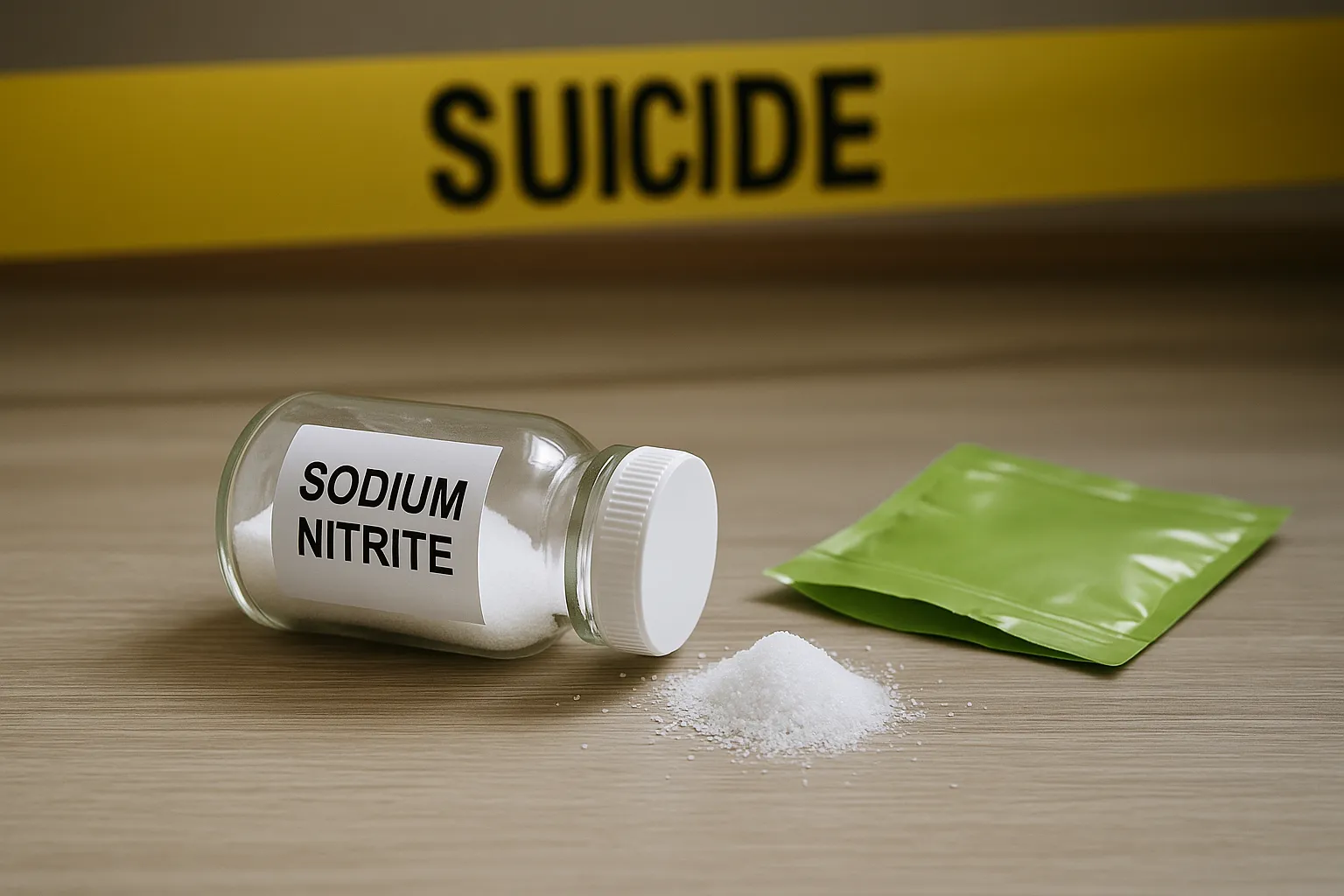
A comprehensive analysis has identified a worrying trend linking sodium nitrite, a chemical commonly used in food preservation, to a rise in suicide rates across the United Kingdom, particularly among young people and males. The study, which appears in the BMJ Public Health journal, highlights the urgent need for public health officials to reconsider the unrestricted availability of this substance to prevent further tragedies.
Historically, suicide rates in the UK have steadily declined since the early 1990s; however, recent years have shown signs of reversal, with growing concerns over the role of sodium nitrite poisoning in these cases. The research team set out to investigate whether there was a correlation between sodium nitrite and incidents of suspected suicide in the UK. They conducted a retrospective analysis of data spanning from March 2019 to August 2024, utilizing information gathered from various sources, including coroners, forensic pathologists, and police reports submitted to the UK’s primary laboratory responsible for assessing nitrite and its oxidized form, nitrate, in postmortem examinations.
During the specified timeframe, the laboratory processed 274 samples from 201 suspected poisoning cases across the UK, as well as from Ireland and Gibraltar. A notable concentration of these cases originated from Greater London, South East England, Ireland, and the Midlands. Nevertheless, researchers caution that these figures likely reflect increased awareness among coroners regarding nitrite cases rather than an accurate count of incidence rates. Importantly, the number of cases rose significantly after 2019, which marked the introduction of testing for nitrite and nitrate levels. A total of 164 cases were included in the final analysis, constituting 82% of the submissions received during the study period.
Demographic data revealed that the average age of affected individuals was 28, with ages ranging from as young as 14 to 82 for males and 17 to 82 for females. Alarmingly, approximately 71% of the cases involved younger generations, specifically Generation Z (33%, born between 1981 and 1996) and Millennials (38%, born between 1997 and 2012). Gender analysis indicated a significant disparity, with 109 males compared to 52 females across the cases examined; indeed, men represented the majority in every generational category, except for the Silent Generation (born 1928-1945), where only one female case was noted.
The concentration levels of nitrite and nitrate in blood samples were striking, with 87% of cases exhibiting values 100 times higher than what would be physiologically expected, suggesting that ingestion of this chemical was likely intentional. The researchers acknowledged several limitations within their study, noting that the analysis of nitrite and nitrate is not systematically required for all suspected suicides in the UK, making it challenging to ascertain the full extent of deaths attributable to this chemical. They highlighted the potential for underreporting, suggesting that the actual number of cases may be significantly higher.
Moreover, an unsettling trend emerged related to the demographic most affected by these incidents. The connection between the rise in suicides and the availability of online information regarding sodium nitrite’s purchase and use has raised alarms. Researchers pointed to an alarming and growing body of content available online that appears to promote harmful practices under the guise of offering mental health support. This has been particularly significant among tech-savvy younger individuals who might access such information readily.
The findings from this analysis call for immediate regulatory action to address the apparent dangers posed by sodium nitrite. The researchers emphasized the need for stricter controls on the chemical’s accessibility, arguing that the data underscores the prevalence of its use as a method of suicide in the UK. They also noted the heightened digital literacy of younger generations, which enables easy access to potentially harmful information.
In light of these findings, the research team proposed several preventative measures. One straightforward recommendation included the introduction of antidote kits, specifically methylthioninium chloride, in ambulances, which could potentially save lives by mitigating the effects of sodium nitrite poisoning promptly. Professor Amrita Ahluwalia, the lead researcher, expressed the complexities involved in discussing such a challenging topic, acknowledging the distressing implications of the research. She stated, “What our research shows is deeply upsetting. But it makes clear why urgent steps are needed to regulate access to this chemical and to reduce the spread of harmful information about it online.”
The study’s results have sparked an important conversation regarding the intersection of public health policy, mental health support, and online content regulation. The need for a cohesive response to combat the increasing suicide rates among vulnerable populations is more pressing than ever as stakeholders work towards creating a safer environment for all.
Our Thoughts
To prevent the rise in sodium nitrite-related suicides, there are several key safety measures that could have been implemented. Firstly, stricter regulation under the Control of Substances Hazardous to Health (COSHH) Regulations should address the availability of sodium nitrite in consumer products, ensuring that access is limited to necessary applications only.
Additionally, a robust public health campaign aimed at improving digital literacy among young people could minimize their exposure to harmful online content related to suicide methods. This should involve collaborative efforts from mental health services and online platforms to monitor and restrict access to harmful information.
Furthermore, mandating the routine assessment of nitrite levels in suspected suicide cases could provide more accurate data on its role in such incidents, aiding in targeted prevention strategies. Lastly, equipping emergency services with an antidote, such as methylene blue, as a standard procedure in cases of suspected nitrite poisoning, would serve as an immediate response measure to reduce fatalities.
In summary, enhanced regulation, public health initiatives, improved data collection, and emergency preparedness are crucial to curtailing sodium nitrite-related incidents.