
















Story Highlight
– Employee’s fingers reattached after machine accident.
– Tyco Electronics fined £340,000 for safety breaches.
– HSE investigation found inadequate safety measures in place.
– Worker experienced loss of sensation and movement.
– Proper lock-off procedures could prevent similar incidents.
Full Story
A manufacturing firm has faced significant penalties following a serious incident that resulted in an employee sustaining life-changing injuries while cleaning machinery. The case centres around Tyco Electronics UK Limited, located in Swindon, where the incident took place on the night of March 7, 2023.
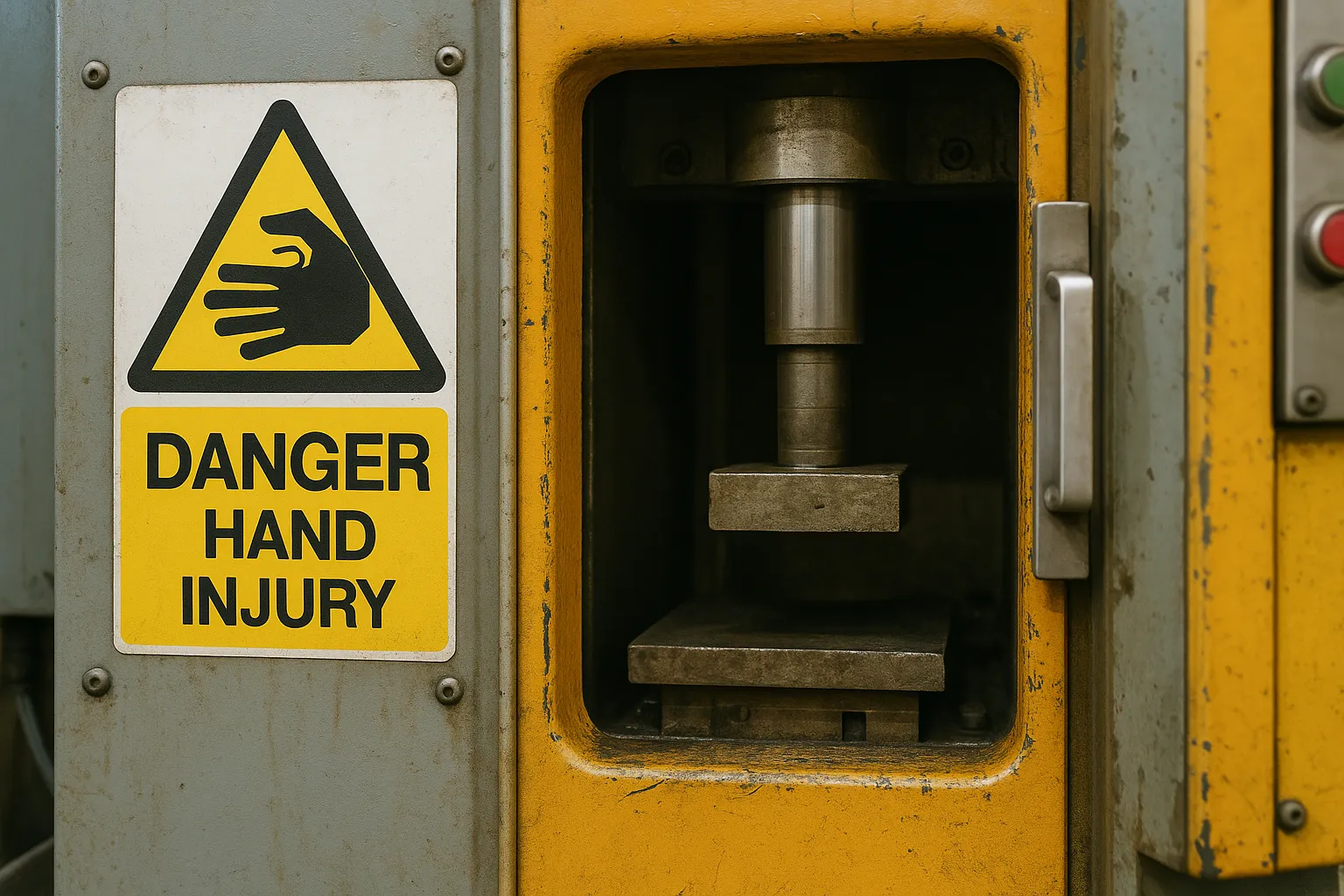
During the cleaning process, an employee’s arm became trapped in a machine after he raised a hydraulic ram and opened a door to gain access to the equipment. In a tragic turn of events, as he was withdrawing his arm, the machine’s door fell shut, inadvertently activating the hydraulic ram and entrapping his limb. Fortunately, he managed to free himself but not before sustaining severe injuries, including damage to tendons and nerves in his fingers. Following the accident, he underwent a total of three surgical operations to have his fingers reattached.
The Health and Safety Executive (HSE) conducted an investigation after the incident. Their findings indicated systemic failures within the company regarding health and safety protocols. Tyco Electronics UK Limited eventually admitted guilt in relation to the breaches of health and safety regulations. This resulted in the firm being fined £340,000, alongside additional costs totalling £5,145, as determined by the Bristol Magistrates’ Court on a recent Friday.
The HSE inspector assigned to the case, Emma Preston, commented on the broader implications of such accidents, highlighting that incidents during machinery maintenance and cleaning are frequent and often lead to severe outcomes. “Machinery accidents during maintenance and cleaning are all too common, often with serious consequences. Workers should ensure that machinery is properly isolated from all sources of power so that it cannot restart during the task. Incidents like this can and should be prevented by following robust lock-off procedures,” she stated.
The investigation revealed that Tyco Electronics had not implemented adequate measures to protect employees during cleaning tasks. Specifically, there was a lack of proper guidance for staff on how to safely conduct machine cleaning, with training deemed insufficient and oversight of the operations not meeting necessary standards.
As a result of his injuries, the affected worker spent ten days in hospital and has since undergone physical therapy. Despite these efforts, he continues to experience partial loss of sensation and movement in his fingers, though he has regained some movement in his thumb. The long-term implications of such injuries can substantially affect an individual’s quality of life, not only physically but also emotionally and financially.
This case serves as a poignant reminder of the importance of stringent health and safety practices in workplaces, particularly those involving heavy machinery. Employers are mandated to prioritise safety measures that protect their workforce, particularly during maintenance activities where risks are escalated.
There have been numerous instances in recent years highlighting similar safety concerns across various sectors. The HSE continues to advocate for safer working environments, urging companies to conduct comprehensive risk assessments and ensure that effective safety measures are in place.
The health and safety landscape remains a critical focus for regulators, with ongoing efforts to improve safety standards across industries. The tragic reality is that, despite existing regulations, lapses can lead to devastating consequences for workers. The recent fine levied against Tyco Electronics UK Limited signals the need for greater vigilance concerning employee safety during operational tasks.
The impact of workplace accidents extends beyond immediate physical harm, affecting families, communities, and the economy. It calls into question the adequacy of existing protocols, training programmes, and the culture of safety ingrained within organisations.
Furthermore, reflecting on this incident raises important questions regarding the awareness and training given to employees when engaging with potentially hazardous machinery. Ensuring that workers are not only aware of the risks but are trained in the correct measures to mitigate them is fundamental in preventing injuries.
As the HSE continues to monitor and regulate workplace safety, they emphasize the critical nature of proper training and employee supervision. Companies are urged to foster an environment where safety is a shared responsibility, and where employees can openly discuss concerns regarding machinery and maintenance procedures without fear of reprisal.
This case underscores a crucial aspect of workplace safety: the need for continuous improvement and education within industries that utilise heavy machinery. Employers must not only comply with the law but actively pursue enhanced safety measures to protect their workforce from harm.
The unfortunate incident involving Tyco Electronics is a stark reminder of the potential hazards present in everyday workplace activities. As regulatory bodies enhance their focus on health and safety, the commitment from company leadership and employees alike is essential in cultivating a safer work environment for all.
Our Thoughts
The incident at Tyco Electronics UK Limited highlights significant failings in health and safety practices, particularly relating to the maintenance and cleaning of machinery. To prevent similar incidents, the company should have implemented robust lock-off procedures to isolate equipment from all sources of power before maintenance activities. This could have been achieved by adhering to the Provision and Use of Work Equipment Regulations 1998, which stipulate that machinery must be properly maintained and employees should be adequately trained in safe operating procedures.
Key safety lessons include the necessity of comprehensive training and supervision during hazardous tasks. The lack of sufficient information and training breaches the Management of Health and Safety at Work Regulations 1999, which require employers to ensure that all employees are competent to perform their tasks safely.
Further, the HSE emphasized the importance of risk assessments tailored to the operation of specific machinery. By learning from this incident, companies can prioritize safety, reduce the risk of similar occurrences, and foster a culture of prevention through effective training and strict adherence to health and safety regulations.