
















Story Highlight
– Company fined £340,000 for safety breaches during cleaning.
– Worker sustained long-term hand injury from machinery incident.
– Investigation found inadequate safety measures and training.
– HSE emphasizes need for proper isolation procedures.
– Company pleaded guilty under Health and Safety Act.
Full Story
A substantial penalty has been imposed on Tyco Electronics UK Limited following a significant workplace injury at their facility in Swindon. The manufacturing firm has been ordered to pay £340,000 after a 42-year-old employee suffered severe damage to his hand while undertaking maintenance work on machinery.
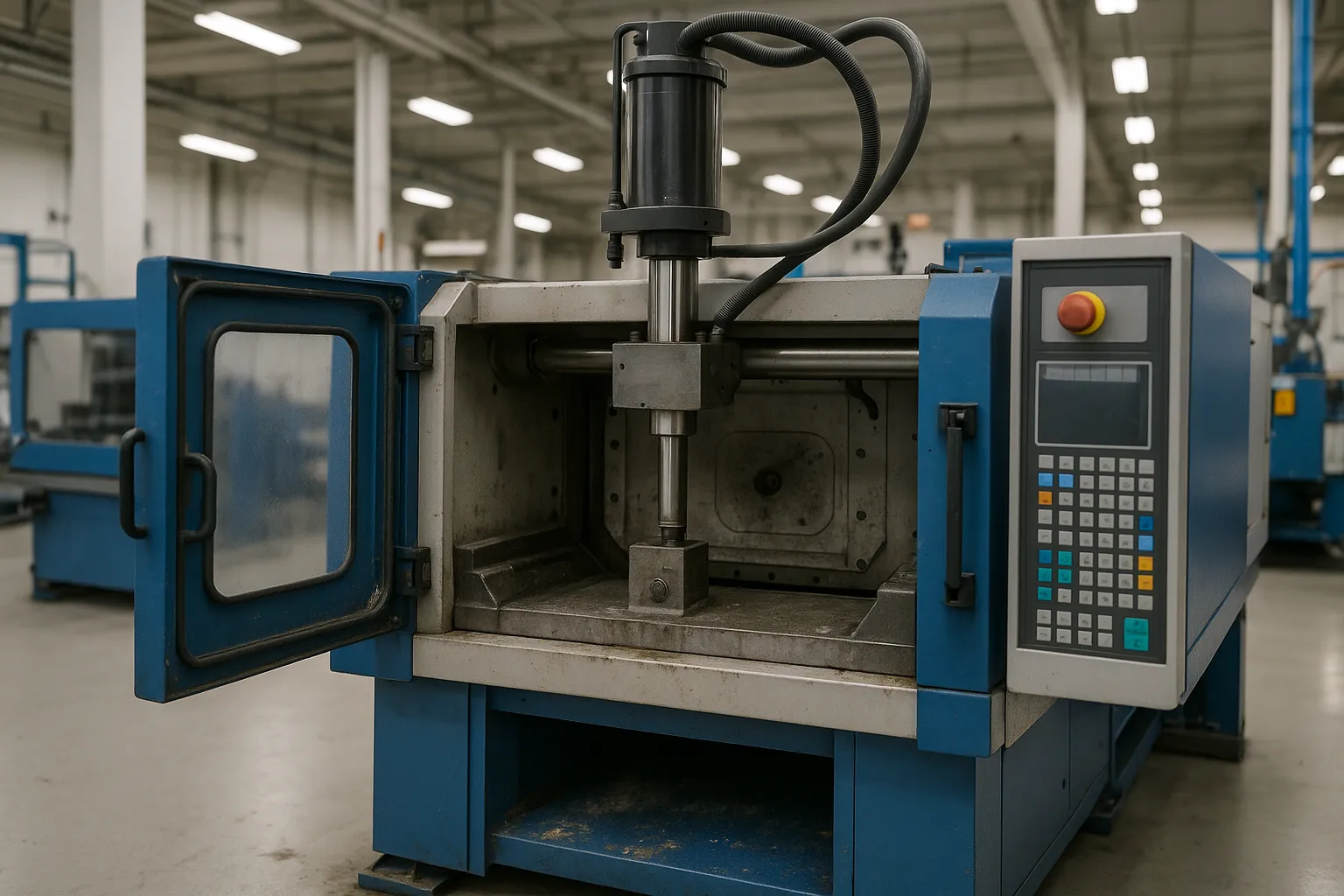
On 7 March 2023, during a night shift at the company’s location on Faraday Road, an incident occurred when the worker was cleaning a piece of equipment used for producing pellets from various raw materials. While performing the cleaning, he manually maneuvered a hydraulic ram to access the interior of the machine. Unfortunately, as he attempted to withdraw his hands from the open area, the door of the machine fell, triggering the hydraulic ram and pinning his arm.
In a desperate bid, the worker managed to free his arm, resulting in severe injuries that included torn nerves and tendons. Following the horrific accident, he underwent three surgical operations aimed at reattaching his fingers. His recovery required an extended hospital stay of ten days, with ongoing treatments at Southmead Hospital where he received physiotherapy and regular dressing changes. Although he has managed to regain some movement in his thumb, he continues to experience diminished sensation and functionality in his fingers.
The Health and Safety Executive (HSE) conducted an investigation into the incident and concluded that Tyco Electronics UK Limited had failed in its duty to implement adequate safety measures to protect workers during machine cleaning processes. The investigation revealed that the company had not provided its staff with sufficient information regarding safe operational practices for the machinery. Furthermore, the training offered to employees was deemed inadequate, and there was a lack of appropriate supervision during the cleaning operations.
HSE guidelines stress the critical importance of adhering to safe isolation and lock-off protocols before any maintenance or cleaning activities are conducted on machinery. It is essential that employers ensure all equipment is effectively isolated from power sources and that these systems are regularly reviewed to avert unintentional machine activation.
At a Bristol Magistrates’ Court hearing on 17 April 2026, Tyco Electronics UK Limited admitted to breaching Section 2(1) of the Health and Safety at Work etc. Act 1974. In addition to the hefty fine, the company was also ordered to cover court costs amounting to £5,145.
Following the court proceedings, HSE Inspector Emma Preston remarked on the prevalence of machinery-related accidents during maintenance tasks, emphasising that such incidents, often leading to severe consequences, can and should be avoided. She advised that it is imperative for workers to ensure machinery is properly isolated from all sources of power to prevent unexpected restarts during maintenance activities. Preston’s comments underline the necessity of rigorous adherence to lock-off procedures as a means to safeguard employees’ health and safety.
The prosecution was initiated by an enforcement lawyer from the HSE, Neenu Bains, and was further supported by paralegal officer Hannah Snelling. Their involvement highlights the commitment of the HSE to enforce workplace safety regulations and hold companies accountable for lapses in health and safety practices.
The consequences of this incident have sent ripples through the local manufacturing community, serving as a stark reminder of the critical need to uphold stringent safety protocols. Experts in workplace health and safety have echoed the sentiment that all employers must be proactive in ensuring their environments are safe for their employees. This incident also raises awareness about the necessity for companies to foster a culture of safety, where employees feel empowered to voice concerns about unsafe work practices.
While the sanctions imposed on Tyco Electronics UK Limited serve as a punitive measure, they also represent an opportunity for the company and others in the industry to reassess their safety practices. The ongoing dialogue regarding workplace safety is essential, particularly in industries that involve heavy machinery and complex operational tasks.
In conclusion, the fine levied against Tyco Electronics UK Limited is a reminder of the crucial responsibility that companies bear to protect their employees. Adhering to HSE guidelines, investing in comprehensive training, and ensuring effective supervision are fundamental steps that must be taken to prevent future incidents. As the regulatory landscape continues to evolve, a shared commitment to safety can help mitigate risks and foster a safer working environment for all.
Our Thoughts
The incident involving Tyco Electronics UK Limited underscores significant lapses in safety procedures and training, particularly regarding the management of machinery maintenance. To prevent such accidents, the company should have implemented and strictly adhered to safe isolation and lock-off procedures prior to cleaning operations, in accordance with HSE guidance. Regular training sessions should have been conducted to ensure employees were adequately informed on the protocols for safely operating and maintaining the machinery.
The failure to provide sufficient information, training, and supervision directly contravenes Section 2(1) of the Health and Safety at Work etc. Act 1974, which mandates that employers ensure the health, safety, and welfare at work of all employees. To mitigate future risks, similar companies should establish a culture of safety where employees are empowered to follow strict lock-out/tag-out procedures, conduct regular risk assessments, and engage in ongoing safety training. The enforcement of these measures could significantly reduce the likelihood of machinery-related injuries in the workplace.