
















Story Highlight
– Natural deodorants require 2-6 weeks adjustment period.
– Fussy coconut milk deodorant offers an effective formula.
– Ingredient transparency is crucial for selecting natural deodorants.
– Avoid deodorants with irritating ingredients like baking soda.
– Natural doesn’t guarantee non-toxicity; check for harmful chemicals.
Full Story
**Understanding Natural Deodorants: Your Comprehensive Guide**
As consumers increasingly seek out products that align with their values, natural deodorants have gained significant attention. The transition to these products may not be immediate, often requiring a period of adjustment for the user’s body. Experts suggest allowing two to six weeks for full acclimatization, making it prudent to start using natural deodorants during a period when social interactions are limited, such as working from home or during a holiday.
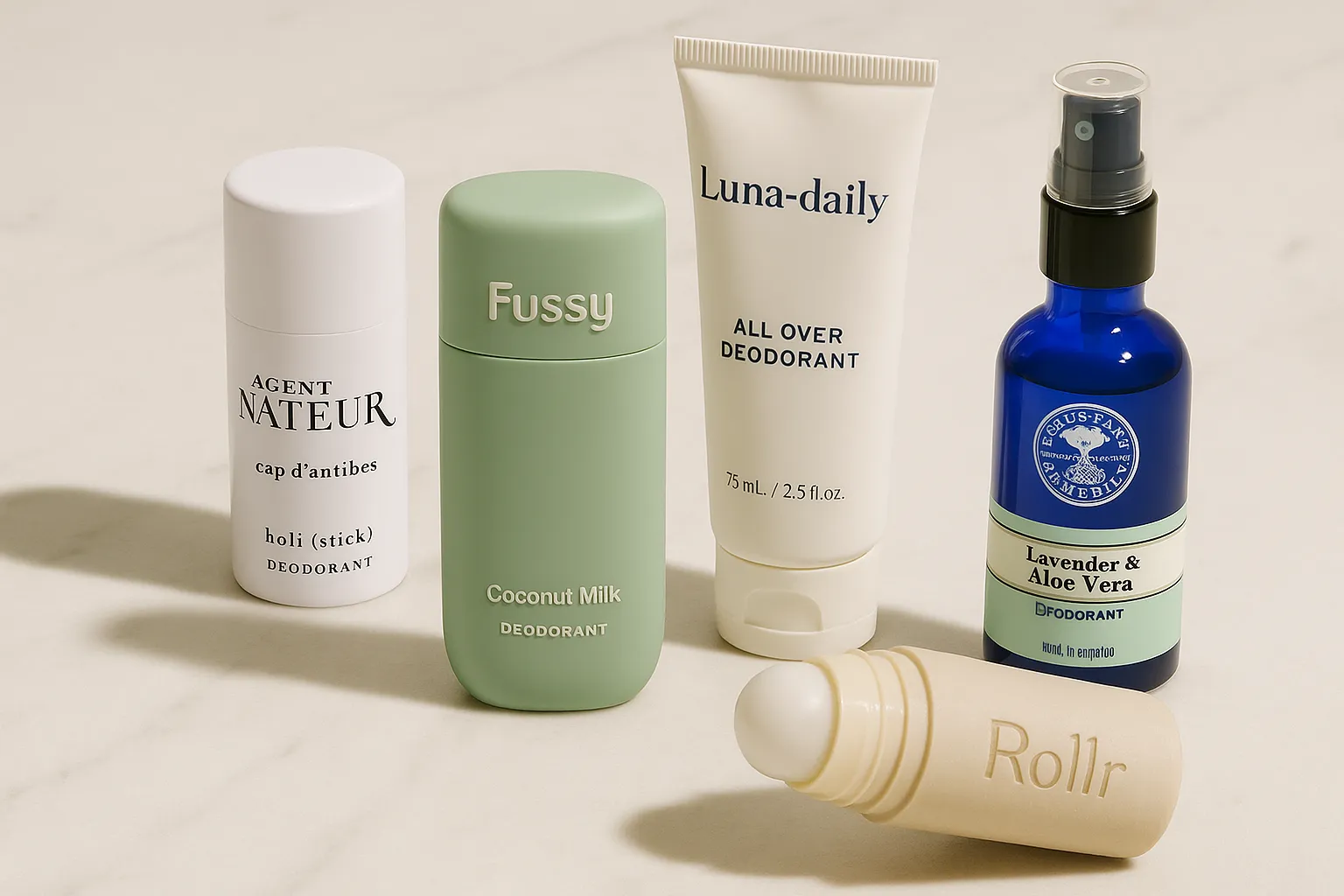
Among the myriad of natural deodorants available, some standout options have emerged based on their formulation and effectiveness. The Fussy coconut milk deodorant is frequently highlighted for its nourishing properties and user-friendly application, achieving commendable results in controlling body odour. For those seeking a balance of potent natural ingredients and efficacy, the Agent Nateur Cap D’Antibes holi deodorant has come highly recommended. Additionally, the Luna-daily all-over deodorant caters to individuals who are particularly active and require a more robust solution for perspiration management. If luxury is a priority, Rollr offers an eco-conscious and indulgent experience. For those who prefer a spray form, the Neal’s Yard lavender and aloe vera deodorant provides a pleasant alternative to traditional aerosols.
Defining what constitutes a natural deodorant can be complex, as the terminology lacks strict regulatory oversight. Analytical chemist Emma Dawes, who is involved with the COSMOS standard for organic and natural cosmetics, points out that the term ‘natural’ can sometimes be misleading. “Currently, ‘natural’ is a highly unregulated term in cosmetics and personal care, and ‘natural deodorants’ could, in practice, have very little natural material in them.”
Dr Aiza Jamil, a consultant dermatologist, elaborates further, indicating that ‘natural’ typically refers to products with fewer synthetic chemicals and a higher concentration of naturally derived ingredients. “Generally, ‘natural deodorant’ means it is made with fewer chemicals and more natural ingredients – such as baking soda to neutralise odour rather than block it.” The lack of a universal legal definition poses challenges for consumers trying to navigate the market.
To effectively select a natural deodorant that not only works but is safe for the skin, Dr Jamil advises consumers to scrutinise ingredient lists closely. She notes that while baking soda is a common component in many formulations, it can be irritating for individuals with sensitive skin. Alternative absorbent agents such as arrowroot powder or cornstarch are recommended for their gentler characteristics. Also, a formulation should ideally feature antibacterial elements, such as tea tree oil, and conditioning agents like shea butter.
Dr Jamil warns against products containing alcohol, which can be overly drying and detrimental to skin health. The importance of finding a product that feels comfortable and effective cannot be overstated. Conducting a patch test is recommended if there are concerns regarding specific ingredients. “When searching for a natural deodorant, it is generally a green flag when the list is quite short and easily recognisable,” she says, encouraging consumers to look for beneficial components like coconut oil or probiotics.
Fragrance is another point of contention; some formulations labelled as ‘natural’ might still contain synthetic fragrances, which raise safety concerns. Dawes echoes this sentiment and cautions consumers about the implications of terms such as ‘fragrance’ or ‘parfum’ on product labels, which can indicate a concoction of synthetic substances, potentially containing harmful phthalates. She advises looking for certifications or assurances that guarantee safe ingredient blends.
The question of whether deodorants are harmful to health remains a pertinent discussion. While ‘natural’ does not automatically equate to ‘non-toxic’, Dr Jamil highlights that many natural ingredients can be dangerous if misused. Conversely, some synthetic products are deemed safe. Ongoing debates around aluminium and parabens reflect consumers’ desire to minimise their exposure to potentially hazardous substances. Dr Jamil describes the concept of ‘toxic load,’ which posits that repeated exposure to certain chemicals can accumulate in the body over time, thus emphasizing the importance of mindful product choices.
Dawes suggests that consideration of the ingredients applied to the skin, especially in highly absorbent areas like the underarms, is vital in reducing the accumulation of harmful chemicals.
The evaluation process for identifying the top natural deodorants involves several key criteria. Effectiveness in preventing body odour is paramount, with skin sensitivity being another crucial aspect—as some natural options can cause irritation. The overall scent of the deodorant is also assessed, as is the consistency, since different forms, from sticks to creams, can affect user preference. Sustainability is a growing concern in the beauty industry; hence the environmental impact of packaging and ingredient sourcing is another critical factor. Cost is also considered, ensuring that effective products remain accessible without a steep financial burden.
Expert reviews, such as those from beauty and wellness specialists, provide valuable insights for consumers navigating the natural deodorant landscape. Dr Aiza Jamil and Emma Dawes contribute considerable expertise in their respective fields, shaping informed choices for those keen to switch to more natural personal care solutions.
As consumers become more environmentally conscious, the demand for safer, effective, and sustainable alternatives to conventional deodorants continues to rise. Understanding the nuances of what constitutes a natural deodorant is essential for making informed choices in this burgeoning market.
Our Thoughts
The article addresses the challenges and concerns regarding natural deodorants, particularly the lack of a standardized legal definition for “natural” in cosmetics. To prevent potential health risks associated with the use of inadequately labeled products, clearer regulations must be established in line with the UK’s Cosmetics Regulation (EC) No 1223/2009, which mandates the safety and efficacy of cosmetic products. Strengthening enforcement of existing product labeling standards could mitigate issues related to misleading claims and greenwashing.
Key lessons include the importance of thorough ingredient transparency and the necessity for consumers to be educated about potential irritants, which supports compliance with the Health and Safety at Work Act 1974, ensuring that consumer products do not pose health risks. Additionally, safety assessments prior to market entry must be rigorous to avoid harmful exposures highlighted in the article.
In essence, enhancing regulatory frameworks, improving consumer education on product safety, and ensuring thorough safety assessment could help prevent similar future incidents of health concerns related to personal care products.