









Story Highlight
– Crayola craft kit recalled for potential asbestos contamination.
– Asbestos poses serious health risks, even in low exposure.
– Affected kits sold for £8, barcode 5061047355015.
– Calls for improved product safety checks and oversight.
– Concerns over asbestos in children’s products persist.
Full Story
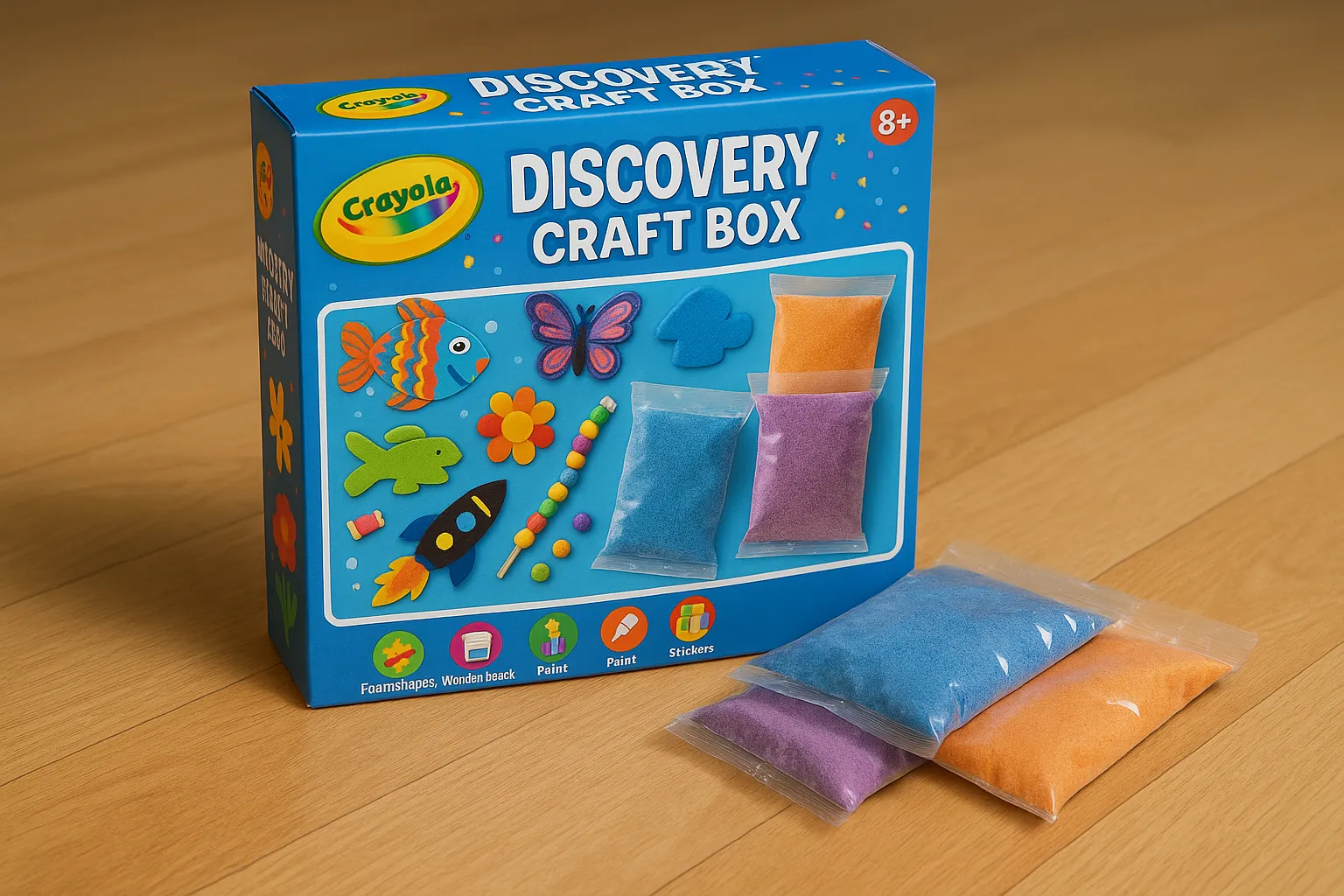
A recall has been issued for a children’s craft kit manufactured by Crayola after concerns arose regarding the potential presence of a harmful substance. The product in question, known as the Crayola Discovery Craft Box, which is produced by Hunter Price, is believed to have sand packets that may be tainted with small amounts of asbestos. This information was disseminated through a notice from ASDA, which indicated that the presence of asbestos poses health risks, necessitating immediate action from consumers.
Asbestos, a substance banned due to its health hazards, has been linked to serious conditions even from minimal exposure levels. The notice explicitly stated that the craft kit does not conform to the Toys (Safety) Regulations 2011, highlighting significant safety concerns regarding its availability in the market. Customers are advised to halt usage of the product at once and are entitled to return it to any ASDA store for a complete refund. The affected kits, priced at £8, can be identified by the barcode 5061047355015.
This incident marks a continuation of a troubling trend, as several products containing asbestos have previously been flagged for recall, particularly concerning play sand. Other items affected include candle-making kits and stretchy rubber toys, demonstrating a pervasive issue with product safety in the industry.
The dangers of asbestos are well-documented; inhalation of its fibres can lead to severe respiratory issues, including cancer. The implications of such health risks are further evaluated by experts in consumer safety. Sue Davies, the head of consumer protection policy at Which?, expressed grave concern over the situation. She stated, “The incidents raised serious questions about the effectiveness of product safety checks before items reach shop shelves,” highlighting systemic issues within product oversight.
Davies further asserted, “It is deeply concerning that another children’s craft product, particularly from a major brand like Crayola, which is sold by big-name retailers, has been recalled due to potential asbestos contamination, continuing a worrying trend of recalls involving this deadly substance.” Her commentary underscores the necessity for both manufacturers and retailers to enhance their supervisory and testing processes. “Manufacturers and retailers must urgently strengthen their supplier oversight and testing processes to ensure that hazardous products are identified and removed before being sold to consumers,” she urged.
This recent recall has prompted calls for regulatory bodies, specifically the Office for Product Safety and Standards (OPSS), to take meaningful action to ensure that adequate checks are performed to prevent dangerous products from appearing on store shelves. Moreover, there is an increasing concern regarding the sale of toys potentially containing asbestos on online platforms, which often lack stringent regulatory enforcement.
In addition to highlighting the recall, the notice from ASDA supplies consumers with guidance on how to handle the product safely. The instructions aim to minimise exposure risk, underlining the necessity of caution when dealing with potentially hazardous materials.
Given these developments, the recall serves as a critical reminder of the ongoing challenges associated with product safety. The prevalence of recalls due to asbestos contamination not only impacts consumer trust but also calls into question the effectiveness of current safety regulations governing children’s products. The implications of such findings are significant for both public health and consumer awareness, urging a collective reassessment of standards within the toy manufacturing industry.
As incidents of this nature continue to surface, it becomes increasingly vital for consumers to remain vigilant regarding the products they purchase for their children. The potential presence of asbestos in everyday items such as craft kits highlights the critical importance of rigorous safety testing and transparency from manufacturers.
Consumer advocates are likely to amplify calls for improved regulations and stricter enforcement measures in the weeks and months following this recall, as they seek to prevent further incidents that could jeopardise children’s health. In the wake of this situation, manufacturers may face increased scrutiny as they strive to reassure the public about the safety of their products.
As the story unfolds, the broader implications for product safety regulations are coming to the forefront, raising pressing questions about how diligently companies and regulatory bodies are prioritising consumer welfare. With public confidence in product safety at stake, it is essential that comprehensive measures are implemented to safeguard against future risks associated with toxic materials in children’s toys.
Our Thoughts
The incident regarding the Crayola Discovery Craft Box highlights significant failures in compliance with the Toys (Safety) Regulations 2011 as the product contained asbestos, a banned substance. To avoid such situations, manufacturers must enhance their supplier oversight and product testing protocols to ensure strict adherence to safety regulations. Implementing rigorous pre-market safety assessments and establishing more robust quality control measures could help detect hazardous materials before products reach consumers.
Additionally, the involvement of the Office for Product Safety and Standards in enforcing compliance checks is crucial. Enhanced regulatory scrutiny, particularly on online marketplaces where safety regulations are less enforced, could prevent contaminated products from being sold.
Key safety lessons include the necessity for continuous monitoring of suppliers and improvements in product safety checks. The critical nature of ensuring that all materials used in children’s products are free from harmful substances underscores the need for manufacturers to prioritize consumer safety to avoid recalls and potential health risks. Comprehensive training and awareness campaigns within companies can further mitigate risks associated with hazardous materials.