
















Story Highlight
– Cardiff University fined £280,000 for health negligence.
– Two staff members developed lifelong asthma conditions.
– HSE identified 15-year failure to control allergens.
– University apologized and implemented necessary safety measures.
– Occupational asthma acknowledged as disabling work-related disease.
Full Story
Cardiff University has been ordered to pay a fine of £280,000 following a ruling by the Health and Safety Executive (HSE), which found that two employees developed asthma as a result of prolonged exposure to allergens from laboratory animals over a period of 15 years. The case has drawn attention to the importance of stringent health and safety measures in educational institutions.
The two staff members, who worked in laboratories that involved animal testing, now face lifelong health challenges due to their exposure to these allergens. One of the affected individuals, diagnosed with occupational asthma and rhinitis, reported significant deterioration in lung function, stating, “My breathing has been terrible, and I struggle walking any distance. Going upstairs is really difficult.” They also noted the necessity of relying on various medications, including a steroid inhaler, nasal spray, and bronchodilator, to manage their condition.
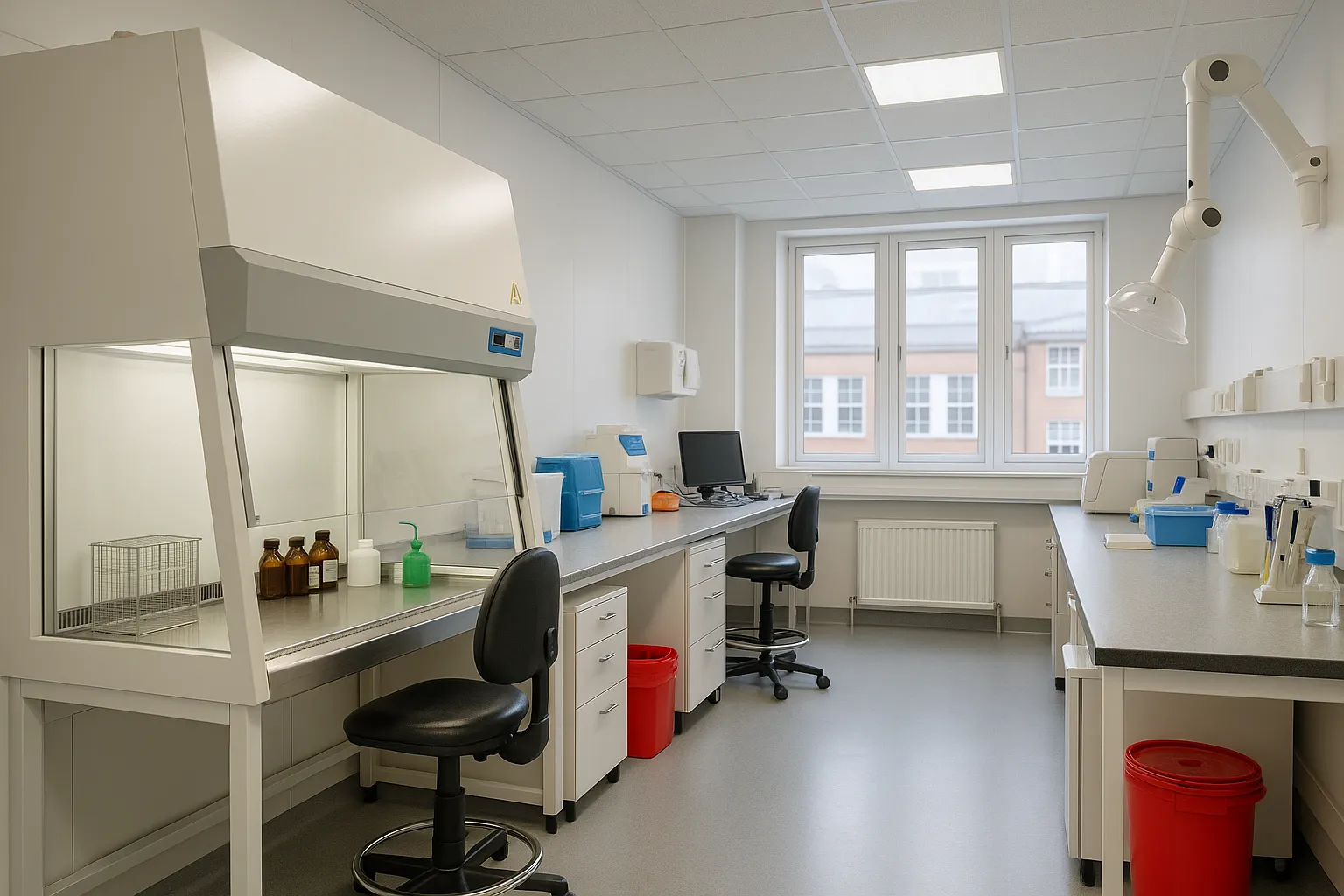
An investigation by the HSE revealed that the university had failed to implement adequate safety measures to mitigate the risks associated with working in environments where animals were kept for scientific research. The deficiencies in safety protocols persisted until last year, leading to concerns about the university’s commitment to employee safety. HSE Inspector Janet Hensey commented, “This went on for 15 years [and] is truly concerning. Occupational asthma is a recognised work-related disease with potentially disabling consequences.”
The investigation found that from 2008 to 2025, Cardiff University did not sufficiently identify or control the potential hazards linked to animal allergens, thereby breaching health and safety legislation. The university’s admission of its failures in maintaining a safe working environment led to its appearance at Cardiff Magistrates’ Court on 30 April, where it accepted responsibility for its shortcomings. Besides the fine, the university must also cover additional costs amounting to £11,745.
In response to the findings, a spokesperson from Cardiff University expressed regret, stating, “We are deeply sorry and apologise to the staff members who have been directly impacted.” The university acknowledged that there was a specific timeframe during which it did not meet its health and safety responsibilities adequately but emphasised that significant improvements have been made since the HSE’s intervention. “The issues identified in the charge have already been addressed through significant improvements following a Health and Safety Executive (HSE) improvement notice,” the spokesperson added. They reassured the community that the university remains a safe environment for all current staff and students.
The acknowledgment of these safety failures has re-ignited discussions regarding workplace health standards, especially in academia and research settings where employees may face unique environmental hazards. Experts insist that effective risk management is essential for preventing similar cases in the future, suggesting that institutions need to continually assess and enhance their safety protocols.
Occupational health specialists have pointed out the various factors contributing to workplace-induced asthma, highlighting that certain environments, especially those involving animals, can pose significant risks if not properly managed. Researchers have found that allergens from animals can cause long-term respiratory issues that affect both quality of life and work capacity, emphasising the need for robust protective measures and regular health monitoring for staff.
In the wake of this incident, Cardiff University is likely to face increased scrutiny regarding its health and safety practices. As more institutions prioritise the health and wellbeing of their staff, it becomes critical for universities to establish a culture of safety and compliance. Regular audits, staff training, and proactive measures can contribute to creating an environment where employees feel protected and supported.
The university’s ongoing commitment to rectifying its past mistakes will be under observation. With the recent court ruling serving as a crucial reminder of the responsibilities educational institutions hold towards their workforce, it is hoped that other universities will take heed and implement stringent safeguards against workplace hazards.
The implications of this case extend beyond Cardiff University, as it underscores a pressing issue faced by educational institutions across the UK and beyond. Ensuring a safe working environment is not merely about compliance with regulations; it is a fundamental aspect of fostering a healthy academic community.
As discussions around workplace health continue, it is vital for all sectors—including education—to remain vigilant regarding the potential risks employees may encounter. The consequences of inadequate health and safety measures can be devastating, affecting not just individuals but also the institutions in which they work.
Overall, the enforcement of health and safety regulations is essential in promoting a secure workplace environment, where employees are prioritised and able to perform their duties without fear of compromising their health. The case at Cardiff University serves as a crucial reminder of the need for ongoing vigilance in workplace health standards.
Our Thoughts
Cardiff University faced a significant penalty due to its failure to protect staff from exposure to animal allergens, leading to lifelong health conditions. To prevent such incidents, the university should have implemented effective risk assessments and control measures as required under the Health and Safety at Work Act 1974. This Act mandates employers to ensure, so far as is reasonably practicable, the health, safety, and welfare of their employees.
Key safety lessons include the necessity of regular risk assessments and effective management of workplace hazards over time. The lack of action over 15 years indicates a failure to comply with the Management of Health and Safety at Work Regulations 1999, which requires proactive identification and management of risks.
To avoid similar incidents, organizations need to establish a continuous monitoring system for hazardous exposures and provide training to staff regarding health risks associated with their work. Regular reviews of safety protocols and prompt responses to identified risks are essential for maintaining a safe working environment. Implementing these practices would significantly reduce the likelihood of occupational health issues in laboratory settings.