













Story Highlight
– Multiple food recalls issued by the Food Standards Agency.
– Porridge products recalled due to mouse contamination risk.
– Aldi’s salmon fillets recalled for incorrect use-by date.
– Tesco Finest dessert may contain plastic hazards.
– Walkers crisps pose milk allergy risks from mislabeling.
Full Story
The Food Standards Agency (FSA) has recently published multiple alerts urging consumers to refrain from consuming certain food products available across the UK due to safety concerns. These recalls encompass a variety of items, including porridge suspected of mouse contamination and other products with packaging or labeling discrepancies that could pose health risks.
One of the more significant recalls involves several batches of porridge, which have been flagged by MOMA Foods. This recall affects various porridge products that may have been compromised by mouse contamination at the production facility, resulting in potential health hazards. The FSA has categorically warned consumers not to consume these items, instead advising them to return the products to the retailers for a full refund.
Among the specific MOMA items under recall are the Almond Butter & Salted Caramel Porridge Pot, Apple, Cinnamon & Brown Sugar Porridge Pot, and Banana & Peanut Butter Protein Porridge Pot, among others. All date codes and batch numbers associated with these products can be found on MOMA’s official website and the FSA site. The agency has reassured consumers that while the chances of contamination may be low, the decision to recall these items is a precautionary measure aimed at prioritising public safety.
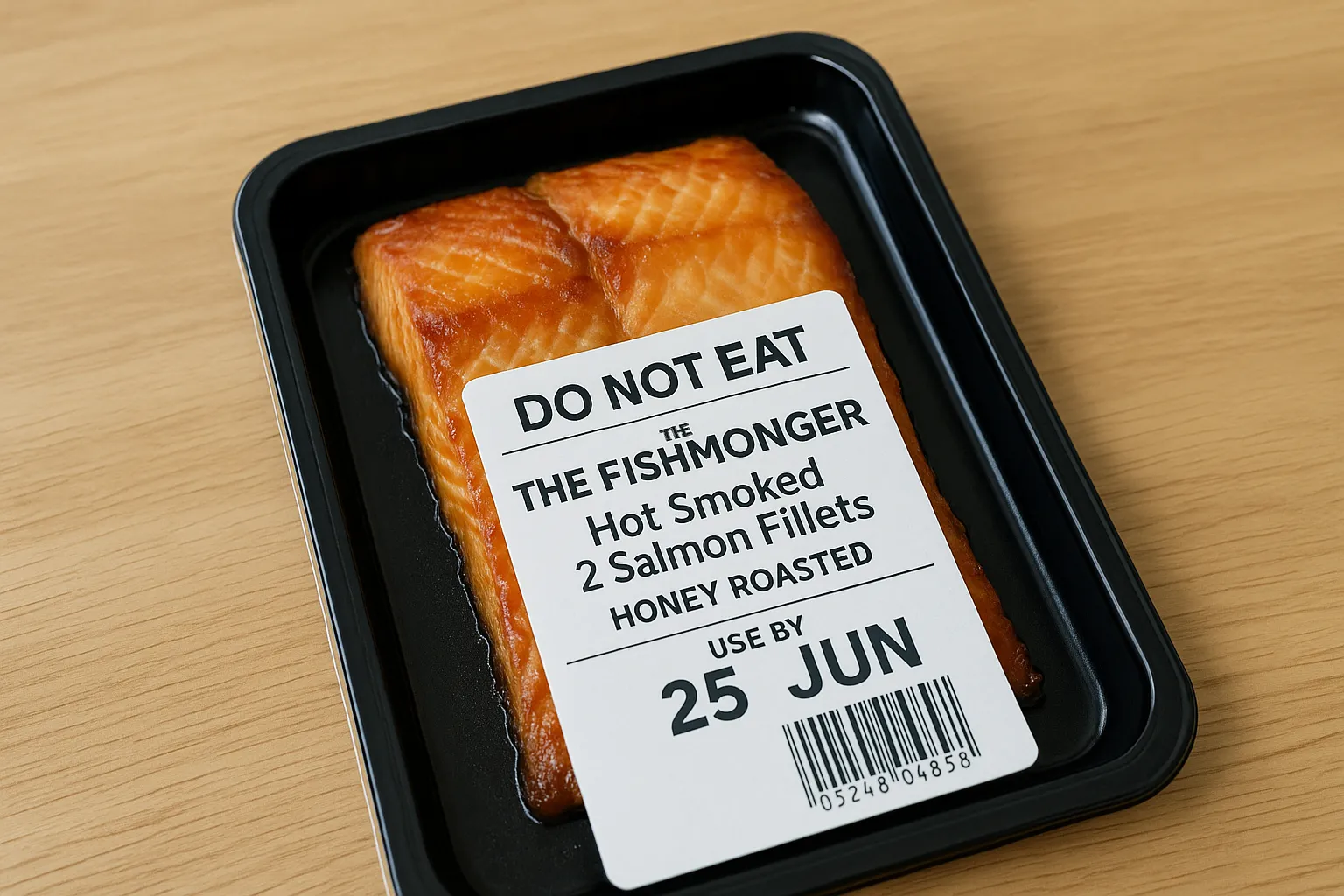
In a separate incident, Aldi has issued a precautionary recall for The Fishmonger Hot Smoked 2 Salmon Fillets – Honey Roasted due to a mislabelled use-by date. The packaging incorrectly states a use-by date of June 25, while the product should actually have a date of April 25. This error mandates a prompt recall of affected items from store shelves. Aldi has communicated through a spokesperson that customers can return the mislabelled product for a full refund at any of their locations, encouraging them to refer to their website for further assistance.
This is not an isolated incident within Aldi; it mirrors a similar urgency from Tesco, which has also announced a recall for its Tesco Finest Summer Edition Chocolate Affogato Dessert. This specific dessert may potentially contain pieces of plastic, rendering it unsafe for consumption. Affected date codes, including those up to and including April 2027, are part of the recall as indicated by the FSA. Tesco has assured its customers that they can bring the affected dessert back to any store for a full refund, regardless of whether they have retained their receipt.
Additionally, the M&M’s brand has faced a recall initiated by 3D Trading due to a failure to disclose allergens on its packaging. The M&M’s Pipoca, produced for the Brazilian market, is under scrutiny for containing allergens such as peanuts, gluten, and wheat, which were not listed on the UK label. Consumers are being advised not to eat this particular product and to return it for a full refund. The FSA has highlighted the need for 3D Trading to notify relevant allergy support organizations to inform their members regarding this safety risk.
Another brand encountering issues is Walkers, which has announced a recall for its six-pack of Hot Honey crisps. The concern arises from the possibility that some packets may have been filled with Mild Cheese & Onion seasoning instead of the advertised Hot Honey flavour. This packaging error could pose a significant health risk for individuals allergic to milk, as the cheese seasoning contains unlabelled milk ingredients. Consumers are advised not to consume the product if they have a milk allergy and can expect a full refund upon returning the item.
According to the FSA, the process of recalling a product occurs when a food item is deemed unsafe for sale due to identified risks, prompting either a withdrawal from the shelves or an official recall where customers are encouraged to return the product. The agency communicates such withdrawal and recall information through notices to inform consumers and relevant authorities.
Public health officials have reiterated that safety in food production is paramount and that manufacturers need to uphold rigorous standards to ensure consumer trust. Each company involved in the recalls has expressed its commitment to consumer safety and has pledged to rectify the issues associated with the affected products.
As more details unfold, customers are urged to closely monitor their purchases and stay informed through FSA updates and product safety notices. With various products from popular retailers under scrutiny, consumers are reminded to exercise caution and return any recalled items to their respective stores, prioritising their health and safety.
Our Thoughts
To prevent incidents like the recalls mentioned, several key safety measures could have been implemented. First, robust quality control processes should be established at food manufacturing sites to ensure contamination risks, such as those from pests, are mitigated in compliance with the Food Safety Act 1990. Regular inspections and audits could help in identifying potential hazards before they result in contaminated products reaching consumers.
Additionally, clearer labeling practices must be enforced, especially regarding allergens and use-by dates, aligning with the Food Labelling Regulations 1996. This would help avoid situations where incorrect information, such as mislabeled ingredients and use-by dates, creates health risks for consumers.
Training for staff engaged in food handling and packaging on food hygiene standards could further reduce risks of contamination and ensure compliance with the Health and Safety at Work Act 1974. Manufacturers should also ensure that any potential risks are communicated effectively to retailers and consumers through clear recall procedures, thereby maintaining consumer safety and trust.
Finally, suppliers should be audited regularly to ensure adherence to safety regulations, which would prevent similar incidents from recurring.