














Story Highlight
– Cardiff University fined £280,000 for staff asthma cases.
– Two staff developed lifelong conditions from animal allergens.
– HSE found inadequate risk control over 15 years.
– University admitted breach of health and safety legislation.
– University has implemented improvements to address safety issues.
Full Story
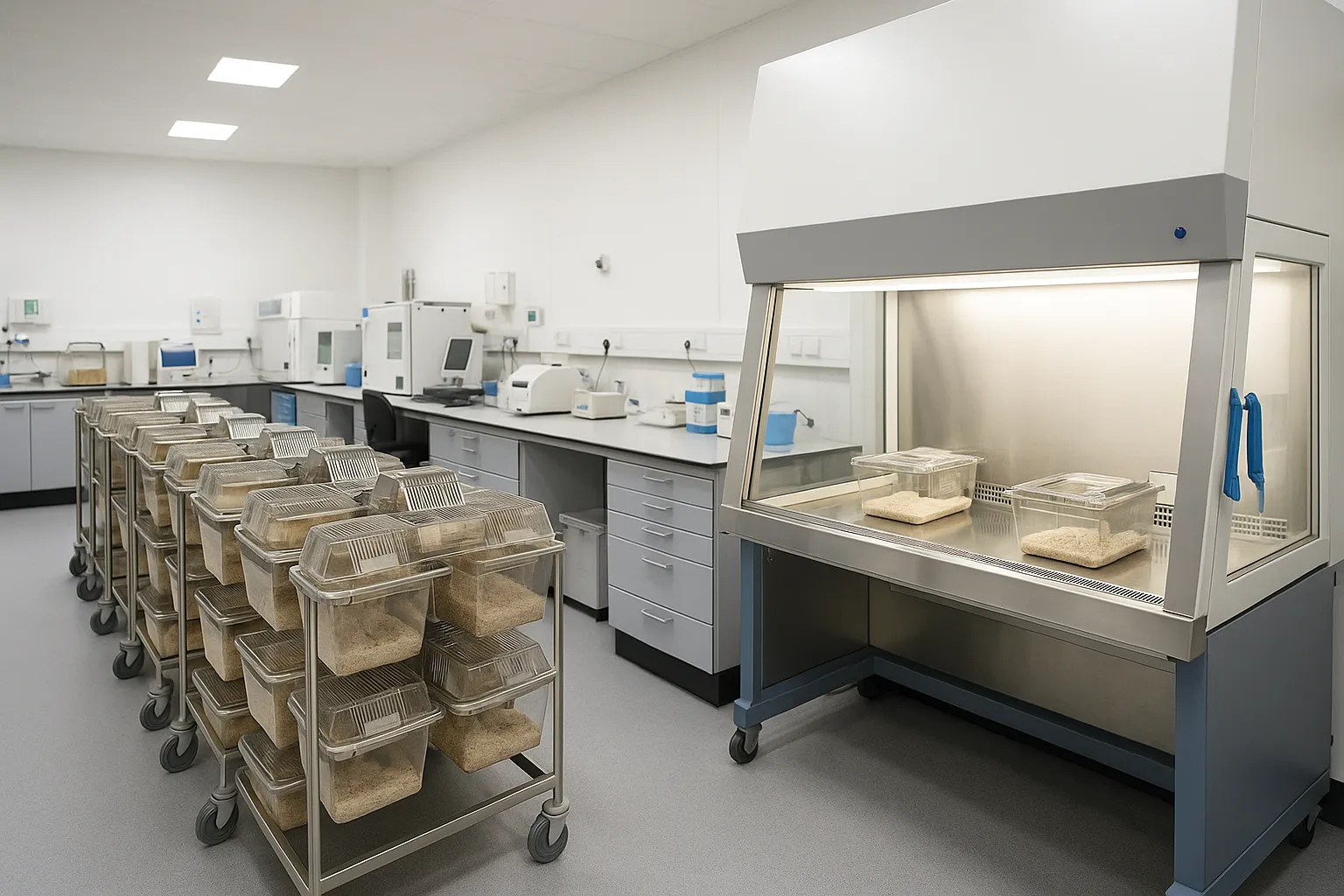
Cardiff University has faced significant repercussions following a ruling from the Health and Safety Executive (HSE), which found that the institution failed to adequately manage the risks associated with exposure to animal allergens in its laboratories. The case, which highlights serious health implications for staff, culminated in a hefty £280,000 fine on 30 April 2026, alongside additional costs of £11,745.
The investigation revealed that two staff members developed chronic asthma as a result of long-term exposure to allergens present in laboratory settings. One individual has reported particularly severe symptoms, which have significantly impacted their quality of life. They described their condition with great distress, noting severe difficulties with breathing and mobility.
“Going upstairs is really difficult for me,” they said, adding, “I have to take a steroid inhaler, a nasal spray, and a bronchodilator throughout the day. My breathing has been terrible, and I struggle walking any distance.” They further elaborated that extended conversations can leave them breathless and that they find it challenging to walk and talk simultaneously.
The HSE’s inquiry, which spanned 15 years, uncovered that Cardiff University failed to implement necessary safety controls to protect its workers. Janet Hensey, an inspector with the HSE, expressed her concerns over the longevity of the breach, stating, “This went on for 15 years and is truly concerning.” The HSE categorically identified occupational asthma as a significant work-related condition with potentially debilitating effects on those affected.
In its response, Cardiff University acknowledged the shortcomings that led to this predicament and expressed deep regret over the impact on its employees. A spokesperson stated, “We are deeply sorry and apologise to the staff members who have been directly impacted,” affirming that the university has since rectified the problems highlighted by the HSE.
The HSE’s report revealed that from 2008 until 2025, the university had not effectively identified or executed controls to mitigate the risks associated with allergens, which directly contravenes existing health and safety regulations. The failure to act has resulted in serious health conditions for staff that could have been avoided had proper measures been in place.
In addition to the fine, the ruling serves as a stern reminder of the importance of adhering to health and safety legislation in workplaces, particularly those involving sensitive environments such as laboratories that conduct research with animals. The institution has confirmed that significant improvements have been made to comply with HSE standards following an improvement notice issued by the agency.
Despite these developments, Cardiff University reassured the public that current workplace safety is not compromised. The spokesperson indicated that the guilty plea and consequent fine do not impede the university’s operational capabilities or the safety of its staff. Moreover, measures to bolster safety protocols have been implemented to ensure compliance moving forward.
In light of this case, the university community’s response has been mixed. Some staff members have expressed unease regarding safety measures, prompting discussions about the need for ongoing vigilance and advocacy for employee health within academic settings. Faculty members and students alike have called for ongoing transparency from the administration to ensure that workplace environments are free from hazards.
The wider implications of this case extend beyond Cardiff University alone. Health experts stress the necessity for research institutions to establish rigorous safety protocols, underscoring that even minor oversights can lead to significant long-term health consequences for employees. Occupational health specialists have highlighted the increasing prevalence of work-related respiratory conditions, advocating for more preventive measures in research environments.
This incident serves as a crucial example of the challenges faced in academic settings, where exposure to various substances may pose risks to staff health. As universities augment their research capabilities, they must not overlook the paramount importance of creating safe workplaces.
The case also raises awareness about the broader implications of occupational health policies and the responsibilities of educational institutions to safeguard their employees. As discussions continue within the academic community on potential reforms to health and safety legislation, it is clear that institutions must prioritise worker safety and well-being in their operational strategies.
Looking ahead, Cardiff University aims to rebuild trust with its employees and the public by fostering a culture of safety consciousness and continuous improvement. Through commitment to transparent communication, rigorous health evaluations, and adherence to regulations, the university seeks to not only comply with legal standards but also to create an environment where staff can work without fear of long-term health repercussions.
In light of these events, it is imperative for all educational and research institutions to learn from Cardiff’s experience. The focus now must be on ensuring that such oversights are not repeated, safeguarding the health and well-being of staff in academic environments across the UK and beyond.
Our Thoughts
Cardiff University’s failure to implement effective controls over a 15-year period regarding exposure to animal allergens highlights significant breaches of UK health and safety regulations, specifically the Control of Substances Hazardous to Health Regulations 2002 (COSHH). To prevent such incidents, the university could have conducted regular risk assessments, provided adequate training to staff on handling allergens, and implemented appropriate personal protective equipment (PPE) measures.
Key safety lessons include the necessity of ongoing monitoring and reassessment of workplace hazards, as well as the importance of fostering a safety culture that encourages reporting of health concerns without fear of reprisal. The long duration of non-compliance illustrates the critical need for management to prioritize health and safety training and to ensure that all safety obligations are met continually.
To prevent future occurrences, universities and similar institutions must ensure rigorous adherence to health and safety legislation, invest in employee health oversight, and maintain consistent communication regarding potential hazards. Engaging with employees to understand their working conditions and experiences can further help identify risks and safeguard their health.