












Story Highlight
– Crayola craft kit recalled over asbestos contamination risk.
– Asbestos poses severe health risks, even in small amounts.
– Customers advised to return kits for full refunds.
– Recall raises concerns about product safety checks effectiveness.
– Urgent need for better oversight in manufacturing processes.
Full Story
A Urgent Recall of Crayola Craft Kits Due to Asbestos Contamination Risk
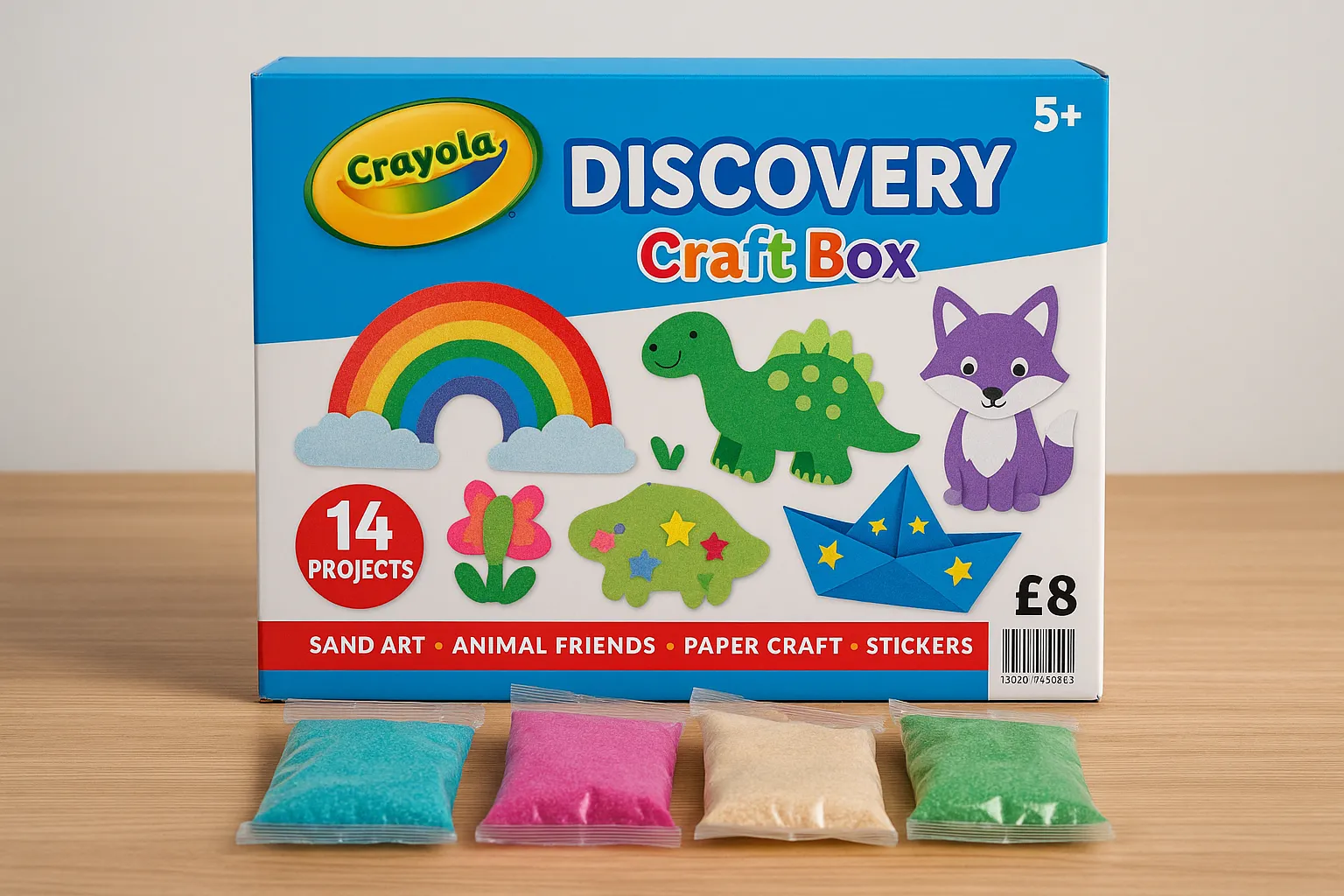
A significant health warning has been issued regarding a children’s craft kit made by Crayola, following an urgent recall connected to potential asbestos contamination. The Crayola Discovery Craft Box, which is manufactured by Hunter Price, has been flagged for presenting a health risk after a notice from ASDA revealed that the craft sand included in the kit might contain trace amounts of asbestos. This development has raised alarms, as asbestos is widely recognised for its hazardous health implications, even at minimal exposure levels.
The Consumer Product Safety Notice specifically emphasises that asbestos is a substance banned in the UK due to its carcinogenic properties, and exposure to asbestos can lead to severe health issues, including various forms of cancer. Furthermore, the craft kit in question does not adhere to the strict requirements outlined in the Toys (Safety) Regulations 2011, which governs the safety standards for children’s products.
In light of these revelations, ASDA has urged customers who purchased the affected craft kit, which retails for £8 and has the barcode number 5061047355015, to cease using it immediately. Customers are advised to return the product to their local ASDA store to receive a full refund.
This incident is part of a troubling trend that has seen several other products containing asbestos being recalled in recent months, including various toy items like stretchy rubber toys and candle-making kits. The concern over asbestos in play materials has sparked widespread criticism and questions regarding product safety measures in the UK.
Sue Davies, head of consumer protection policy at consumer advocacy group Which?, expressed grave concerns regarding the implications of this incident. Davies highlighted that it raises “serious questions about the effectiveness of product safety checks before items reach shop shelves.” She stated that it is particularly alarming that a children’s product manufactured by a prominent brand like Crayola has been subjected to recall due to fears over asbestos contamination. This recurring issue with dangerous materials underscores the necessity for enhanced vigilance from manufacturers and retailers alike.
Davies urged companies to urgently reinforce their oversight and testing protocols to detect hazardous products before they are made available to the public. She further called on the Office for Product Safety and Standards to take swift actions to ensure that proper safety checks are conducted to keep dangerous items off shop shelves. Specifically, she noted the need for scrutiny regarding the sale of such items on online platforms, where regulatory oversight can often be less rigorous.
In addition to the recall notice, ASDA provided instructions for consumers on how to safely handle the product to avoid potential exposure. The guidance emphasises the importance of containing the kit safely to mitigate any risks associated with the contamination.
The public’s response to this recall has been one of concern and frustration, especially among parents who rely on established brands like Crayola for safe crafting materials for their children. As the investigation into the source of contamination is undertaken, there is a growing demand for transparency in the supply chain of children’s products, along with a call for manufacturers to provide clearer information regarding material safety.
Experts have underscored the importance of comprehensive testing for hazardous substances in children’s toys, particularly in light of the risks associated with asbestos. This recall is a stark reminder of the potential dangers that can lurk within seemingly innocuous products and the responsibilities that companies have to ensure the safety of their offerings.
In the wake of this incident, parents and guardians are advised to remain vigilant about the products they purchase and to stay informed about recalls and safety warnings from health authorities. The incident has sparked broader discussions about consumer rights and safety regulations, with many calling for stricter measures to protect young consumers from harmful exposure to dangerous materials that could affect their health.
The consequences of asbestos exposure are well-documented, leading to serious diseases such as asbestosis, lung cancer, and mesothelioma. The delayed onset of these diseases further intensifies the concern surrounding potential exposure in children, who may not yet exhibit any symptoms.
As investigations proceed into the occurrences of asbestos in play materials, the focus remains squarely on ensuring that such substances are eliminated from products intended for children. In the meantime, manufacturers and retailers are faced with mounting pressure to reassess their safety protocols, ensuring that the integrity of children’s safety remains the paramount consideration in product development and sales.
Our Thoughts
The incident involving the Crayola Discovery Craft Box containing potentially asbestos-contaminated sand highlights serious lapses in safety protocols within the supply chain. To prevent such occurrences, manufacturers and retailers must implement rigorous safety checks that align with the Toys (Safety) Regulations 2011, which prohibit the inclusion of harmful substances like asbestos in children’s products.
Key lessons from this case include the necessity for enhanced supplier oversight and comprehensive testing processes before products reach consumers. Regular audits and checks on raw materials could mitigate risks associated with hazardous substances. Additionally, increased vigilance in monitoring online marketplaces is crucial, as the current regulations may not sufficiently cover these platforms, expanding the potential for unsafe products to reach consumers.
The breach of the Toys (Safety) Regulations 2011 must be addressed, and there should be calls for the Office for Product Safety and Standards to enforce stricter compliance measures. Overall, reinforcing safety protocols throughout the supply chain and maintaining stringent quality controls can substantially reduce the risk of children being exposed to hazardous materials like asbestos.