














Story Highlight
– Starmer faces leadership challenge despite economic improvements.
– Andy Burnham launches by-election campaign in Makerfield.
– Concerns rise over Burnham’s immigration reform stance.
– Labour struggles with internal divisions and leadership ambitions.
– Younger MPs criticize current Cabinet and seek changes.
Full Story
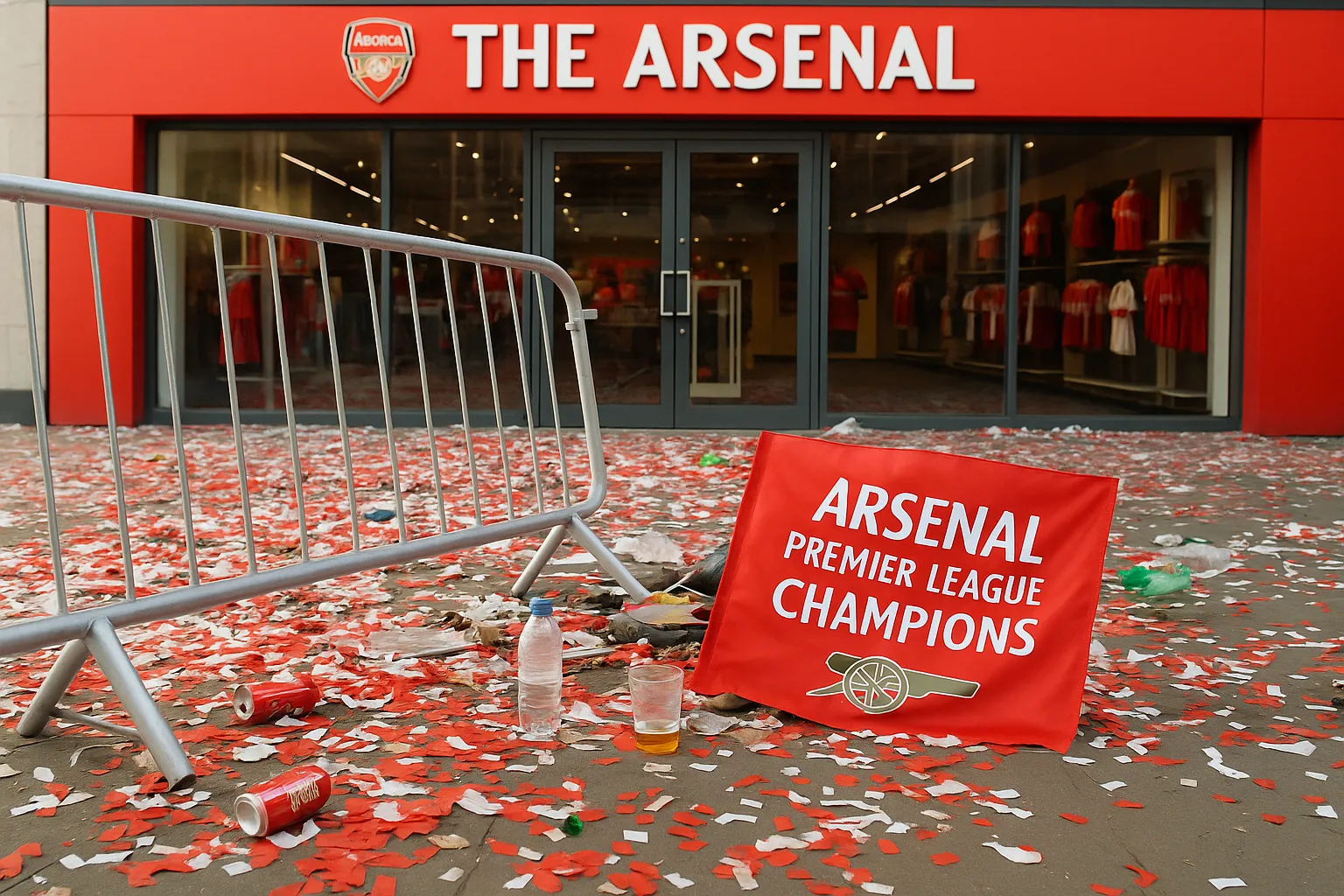
Sir Keir Starmer found himself facing a challenging political landscape this week, despite a seeming upturn in Labour’s fortunes. His government reported a substantial reduction in net immigration, inflation rates fell below 3 per cent, and his cherished football club, Arsenal, clinched their first league title in over two decades. Yet, amidst these triumphs, potential successors for his roles as Prime Minister and Labour leader began to emerge.
The political race was formally initiated by Andy Burnham, the Mayor of Greater Manchester, during his by-election launch in Makerfield. According to Burnham, the political narrative in the UK had grown “tired” and required a “new script” that extends beyond local concerns and resonates on a national scale. His vision suggests that significant shifts in Labour’s approach may be on the horizon if he prevails in this contest.
As Burnham signals his aspirations, political dynamics within the Labour Party are rapidly shifting. Notably, Wes Streeting also began to outline his own policy ideas, advocating for instituting a wealth tax that would create a more equitable tax system, aligning capital gains with income tax. This ideological race between Burnham and Streeting is indicative of a burgeoning rivalry that could reshape the Labour leadership landscape.
The urgency of these developments comes in the wake of a flurry of governmental policy announcements aimed at asserting the Prime Minister’s leadership. During a concentrated five-day period, initiatives were unveiled including a £1 billion investment in physical education for schools, measures to combat violence against women and girls, and a comprehensive £1.8 billion cost-of-living aid intended to support families as they navigate economic hardship.
However, the backdrop of these announcements casts a shadow on Starmer’s leadership as discontent brews within the party. Many believe that these recent accomplishments may not suffice to mitigate the internal pressures posed by potential leadership challengers. A senior party official indicated that Starmer may be contemplating his options, stating that he will evaluate whether to contest a leadership challenge depending on support levels among MPs, acknowledging that his political capital is waning.
This increasing tension is further highlighted by sentiments from Labour backbenchers, with some suggesting Starmer’s position as leader is now untenable. An interlocutor remarked that even those previously loyal to Starmer are reassessing their stance, with voices emerging for change within the party ranks.
In the aisles of Westminster, discussion around Burnham’s trajectory includes debates about his stances on issues like immigration policy, with rumblings of concern regarding his support for potentially punitive measures against legal migrants. This has caused unease among some factions of the party, with critics asserting that these views could alienate core support.
The burgeoning rivalry between Burnham and Streeting suggests that the road ahead for Labour may not be smooth, even as figures on the left express the need for a candidate to emerge that reflects their values if the leadership contest materialises. One member of the Socialist Campaign Group indicated the importance of having an open leadership race, emphasizing that any transition must allow for adequate time to deliberate the party’s future direction.
As the atmosphere of political uncertainty envelops the Labour Party, many politicians speculate about potential scenarios for the immediate future. The prospect of Burnham’s ascension is viewed as a double-edged sword; while it may offer hope for fresh ideas, it also raises concerns about the coherence of Labour’s policies.
The undercurrents of disaffection reflect a broader anxiety among Labour supporters, who sense that the party must navigate a precarious balance between embracing necessary reforms and maintaining the support of its traditional base. Any shift in leadership will require a careful assessment of which policies resonate with voters, especially in light of the growing public expectation for dynamic and effective governance.
Moreover, some insiders have voiced skepticism regarding the effectiveness of mere remedial policies without substantial reform to address underlying issues such as public dissatisfaction with immigration control. With the party’s leadership at stake, the next weeks will likely see intensified lobbying as potential candidates seek to solidify their credentials and garner support among party members.
In conclusion, while Sir Keir Starmer enjoyed a brief period of positive headline news, the emerging competition from figures like Andy Burnham and Wes Streeting marks a pivotal moment for the Labour Party. As the nation watches, the unfolding events have the potential to redefine the party’s direction and its approach to governance. Whether Starmer will rise to the challenge or step aside remains to be seen, but one certainty is that the political landscape within Labour is undergoing significant change amid rising ambitions and aspirations for leadership.
Our Thoughts
No relevant safety lessons, breaches of health and safety regulations, or prevention measures can be derived from the news article provided.