







Story Highlight
– Starbucks Liverpool branch initially received a zero hygiene rating.
– Store closed temporarily for improvements after the inspection.
– Reopened with major renovations and a five-star rating.
– Ongoing investigation confirmed by Liverpool City Council.
– Inspection revealed multiple food safety and cleanliness issues.
Full Story
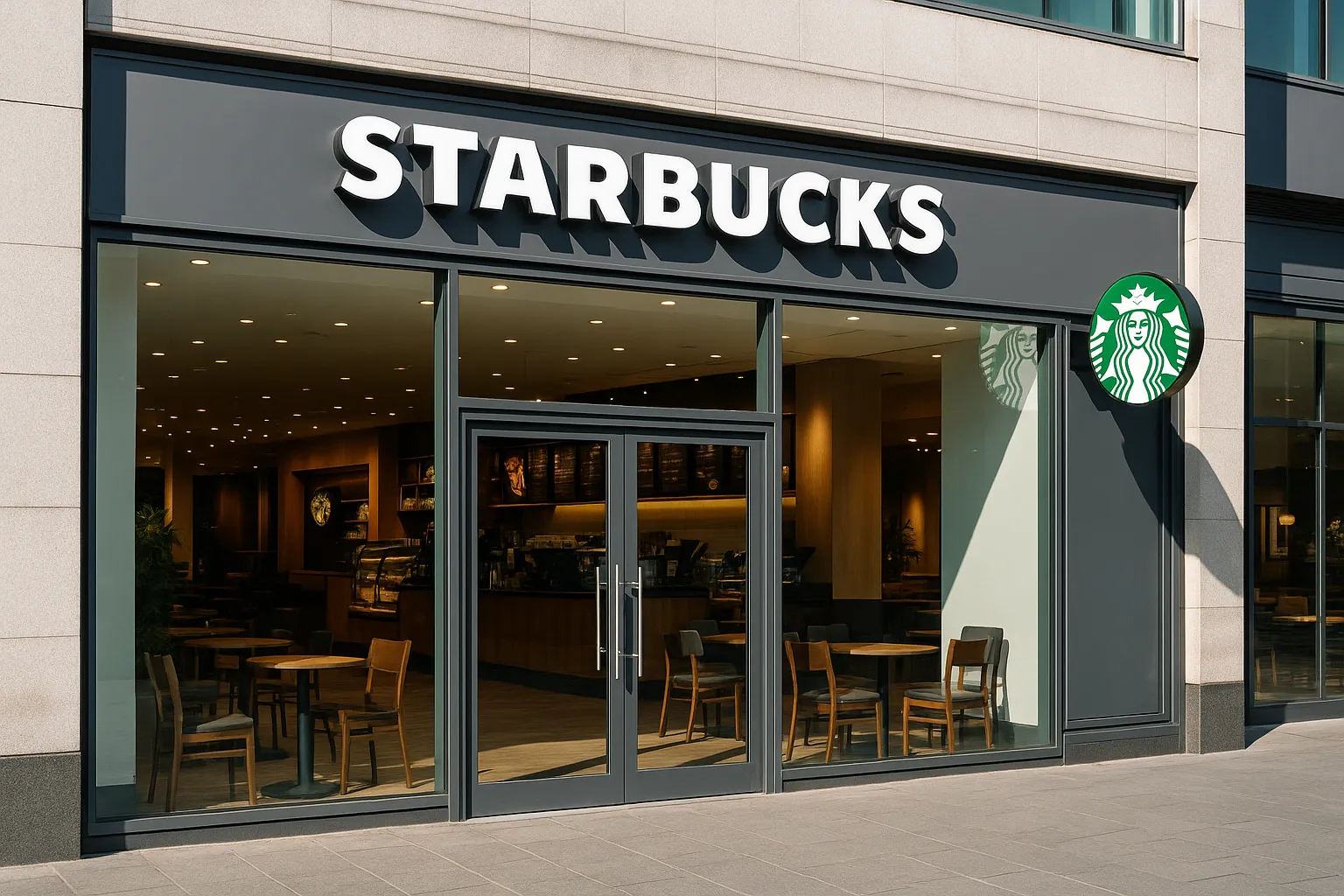
A Starbucks branch located in Liverpool city centre has successfully improved its food hygiene rating, elevating it from a dismal zero to an impressive five-star rating. This development comes following a series of significant updates made to the establishment, despite the branch still being the focus of an ongoing investigation.
The Starbucks café, situated on Thomas Steers Way within the Liverpool ONE complex and adjacent to Chavasse Park, underwent an evaluation by the local environmental health inspectors on 5 November 2025. The outcome of this inspection was troubling, as the branch received a zero rating for food hygiene—a classification that starkly contrasts with the high standards expected from a global brand like Starbucks.
In response to the negative evaluation, the company acknowledged the outcome was “far from the standards we expect.” Following the inspection, the branch was temporarily closed to address the flagged issues and subsequently reopened on 9 March, 2026. It was reported that the café had undergone a major refurbishment, featuring enhanced seating, improved lighting, and an overall refreshed ambiance.
In the wake of the initial zero rating, the Liverpool Echo sought further details surrounding the inspection through a Freedom of Information request. However, the Liverpool City Council declined to provide the requested investigation report, citing the ongoing inquiry as the reason.
Fast forward to 22 May 2026, and the Liverpool Echo has confirmed the impressive turnaround for the Starbucks branch, which now proudly boasts a five-star food hygiene rating. A spokesperson from the establishment expressed enthusiasm about the reopening following renovations, stating: “We’re excited to have reopened the Liverpool One coffeehouse after a major refurbishment, and the 5* food hygiene rating achieved reflects the significant improvements made. We look forward to welcoming customers back into the new and improved store.”
Food hygiene ratings, assigned by local health teams, range from zero to five, with five representing the pinnacle of cleanliness and safety. According to information from the Food Standards Agency, the inspectors previously identified a range of serious concerns that necessitated significant improvements at the Starbucks location prior to its revamp.
Key areas of concern highlighted in the initial inspection included serious issues with the hygienic handling and preparation of food, affecting processes such as cooking, reheating, cooling, and storage. The inspection team underscored the urgent need for enhancements in this domain to comply with food safety standards.
Moreover, inspectors raised alarms about the overall cleanliness and condition of the premises. Specific points of investigation included the adequacy of the facility layout, ventilation, handwashing stations, and pest control measures essential for maintaining good food hygiene. On multiple occasions, the inspection findings indicated that significant improvements were necessary in these critical areas.
Additionally, there were notable shortcomings in the management of food safety at the location. This aspect focused on the systems and protocols employed by the café to guarantee that the food offered is safe for consumption. The inspection highlighted the importance of staff training, ensuring that employees were knowledgeable about food safety protocols, and providing evidence that management had confidence in their ability to sustain the required standards.
At the time of the initial inspection, a Starbucks representative remarked: “Providing a clean and welcoming environment for our customers is our greatest priority and this rating is far from the standards we expect.” This reflects the brand’s commitment to rectifying the issues raised during the evaluation process.
Liverpool City Council’s environmental health service plays a pivotal role in safeguarding public health through regular food hygiene assessments. These inspections can occur without prior notice and may include food sampling and photographic documentation to assist with investigations. Businesses that receive poor ratings are typically afforded a grace period to implement necessary changes unless there is an immediate health risk. Furthermore, these establishments have the option to request re-inspection or contest the findings presented by health officials.
The controversy surrounding the Starbucks inspection illustrates the broader principles of public oversight and accountability through the mechanism of Freedom of Information requests. Such requests empower members of the public, media, and organisations to access recorded information held by public bodies, fostering a culture of transparency regarding operational practices and decision-making processes.
Under the Freedom of Information Act 2000 in the UK, public authorities are obliged to respond to these requests within a designated timeframe, providing either the information sought or an explanation as to why it may be withheld. This legislative framework serves to promote scrutiny over how public institutions function and assures citizens that they maintain high standards of accountability.
As the community awaits further developments regarding the investigation into this particular Starbucks branch, the recent upgrade in food hygiene rating signals a positive direction for the establishment and reinforces the commitment to high standards expected by customers. The aid of local health inspectors remains crucial in ensuring food safety across the Liverpool hospitality sector.
Our Thoughts
The Starbucks branch’s temporary zero food hygiene rating highlights significant lapses in operational safety. To prevent such incidents, better compliance with the Food Safety and Hygiene (England) Regulations 2013 is crucial. Key lessons include the necessity for regular internal audits and training for staff in food safety protocols, including safe handling and storage practices. Starbucks should have ensured adequate facilities for cleaning and maintaining hygiene standards, addressing issues related to layout, ventilation, and pest control prior to the inspection.
Furthermore, the lack of proper food safety management systems demonstrates a breach of Regulation (EC) No 852/2004 on the hygiene of foodstuffs, which requires businesses to have effective procedures in place to ensure consistent compliance.
To avoid similar incidents, businesses should implement a robust system for ongoing staff training, conduct regular health and safety audits, and maintain an open dialogue with local health authorities to preemptively address potential issues.