













Story Highlight
– UV levels in Canary Islands now rated “extreme”.
– Extended sun exposure can cause severe health issues.
– Vulnerable groups include pale-skinned individuals and children.
– Stay shaded and avoid sun from 11am to 5pm.
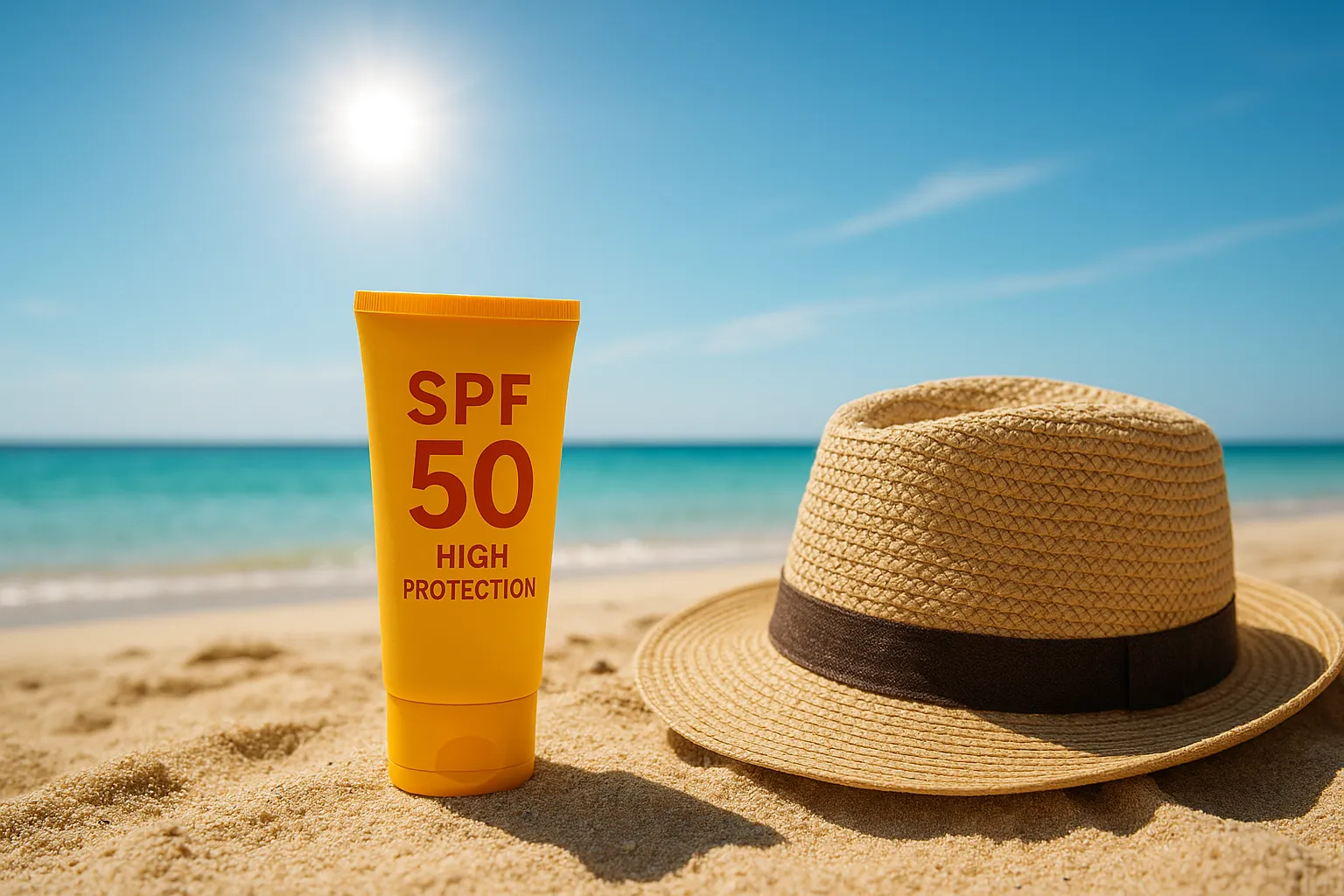
– Use SPF 50 sunscreen and protective clothing outdoors.
Full Story
Holidaymakers visiting the Canary Islands are being advised to take extra precautions due to a recent upgrade in ultraviolet (UV) radiation levels, which have now reached “extreme” status in several areas. The Canary Islands Health Department has issued this warning following assessments that indicate a high risk associated with sun exposure across the archipelago, particularly in popular tourist destinations like Fuerteventura, Lanzarote, and Gran Canaria.
In a statement, medical officials highlighted that all islands in the Canary chain are currently experiencing “very high” levels of UV radiation, but certain locations have been classified under the most severe category. This situation underscores the potential dangers linked to excessive sun exposure, which can lead to various health complications. Prolonged contact with UV radiation may cause severe sunburn, damage to DNA, allergic skin reactions, eye problems, and an increased likelihood of developing skin cancers, including the more aggressive melanoma variant.
Medical experts also voiced concerns about the impact of UV exposure on the immune system, which can be weakened, increasing the risk of dormant viruses reactivating, such as those causing cold sores. Individuals who are outside for long periods—whether working or enjoying leisure activities—are advised to exercise particular caution. Those with fair skin, light-coloured eyes, or a genetic predisposition to skin cancer should take additional care. Vulnerable populations including young children and the elderly are also highlighted as being at higher risk during these periods of intense UV radiation.
Local health authorities, as reported by Canarian Weekly, have provided specific recommendations for protecting oneself from the harsh sun. They strongly advise people to limit their time in direct sunlight between the hours of 11am and 5pm. It is recommended to seek shaded areas and to dress in protective clothing, including wide-brimmed hats and sunglasses that meet safety standards for UVA and UVB protection.
The use of high-factor sunscreen, particularly SPF 50, is highly encouraged, even on overcast days, to mitigate the risks associated with UV exposure. Furthermore, it has been emphasized that infants under 12 months should not be exposed to direct sunlight due to the fragility of their skin and the incompatibility with most sun protection products.
The Canary Islands, due to their unique geographical positioning and warm climate, consistently record some of the highest UV radiation levels in Spain throughout the year. This fact necessitates a heightened awareness and adherence to safety measures, particularly during peak tourist seasons when many visitors may be unaccustomed to such intense sun conditions.
Advisory guidelines on sunscreen application have also been released to ensure adequate protection. The NHS notes that the majority of individuals apply insufficient quantities of sunscreen. For comprehensive coverage, adults should aim for six to eight teaspoons of product for full body application. Inadequate application can significantly reduce the effectiveness of sunscreen, increasing the likelihood of skin damage.
Guidelines suggest applying sunscreen approximately 30 minutes prior to sun exposure, and promptly before going outdoors. It is essential to apply the product to all exposed areas of the skin, including the face, neck, ears, and scalp if hair is thin or absent. Additionally, frequent reapplication is critical, especially after swimming, sweating, or towel drying. Regular reapplication every two hours is recommended because the effectiveness of sunscreen can diminish as it dries or is rubbed off.
Further safety measures recommended by health authorities include:
– Seeking shady spots between 11am and 3pm
– Avoiding sunburn at all costs
– Wearing protective clothing and sunglasses
– Exercising extra caution for children
– Keeping babies under six months out of direct sunlight
– Using a minimum of factor 30 sunscreen, ensuring generous application and frequent reapplication
As the summer months approach and the number of tourists visiting the Canary Islands rises, adherence to these precautions becomes increasingly vital for safeguarding health and well-being amidst some of the highest UV exposure levels in Europe. Visitors should heed this advice seriously to enjoy their holiday without the risk of severe sun-related health issues.
Our Thoughts
To mitigate the health risks associated with extreme UV radiation levels in the Canary Islands, key lessons include the need for enhanced public awareness campaigns and better communication regarding UV safety. Regulatory frameworks such as the Health and Safety at Work Act 1974 emphasize the duty of employers to ensure the health and safety of employees, which could extend to providing adequate briefings on safety measures related to UV exposure for those working outdoors.
Relevant breaches may include insufficient provision of information and training related to UV hazards, particularly for vulnerable groups such as children, elderly individuals, and outdoor workers. Employers should ensure that risk assessments consider environmental factors like UV levels, promoting the use of protective measures such as suitable clothing and sunscreen.
To prevent similar incidents, it is critical to enforce guidelines around outdoor work safety during extreme UV conditions, ensuring the implementation of control measures recommended by the Health and Safety Executive (HSE). Regular training and reinforcement of safe practices, such as limiting exposure during peak sunlight hours and promoting the use of protective gear, could significantly reduce health risks associated with UV exposure.