














Story Highlight
– Public health advice needed for residents in unsafe buildings.
– Developers urged to support residents during extreme heat.
– Remediation works impact residents’ ventilation and comfort.
– Collaboration essential among stakeholders for resident safety.
– Homes built to recent standards still risk overheating.
Full Story
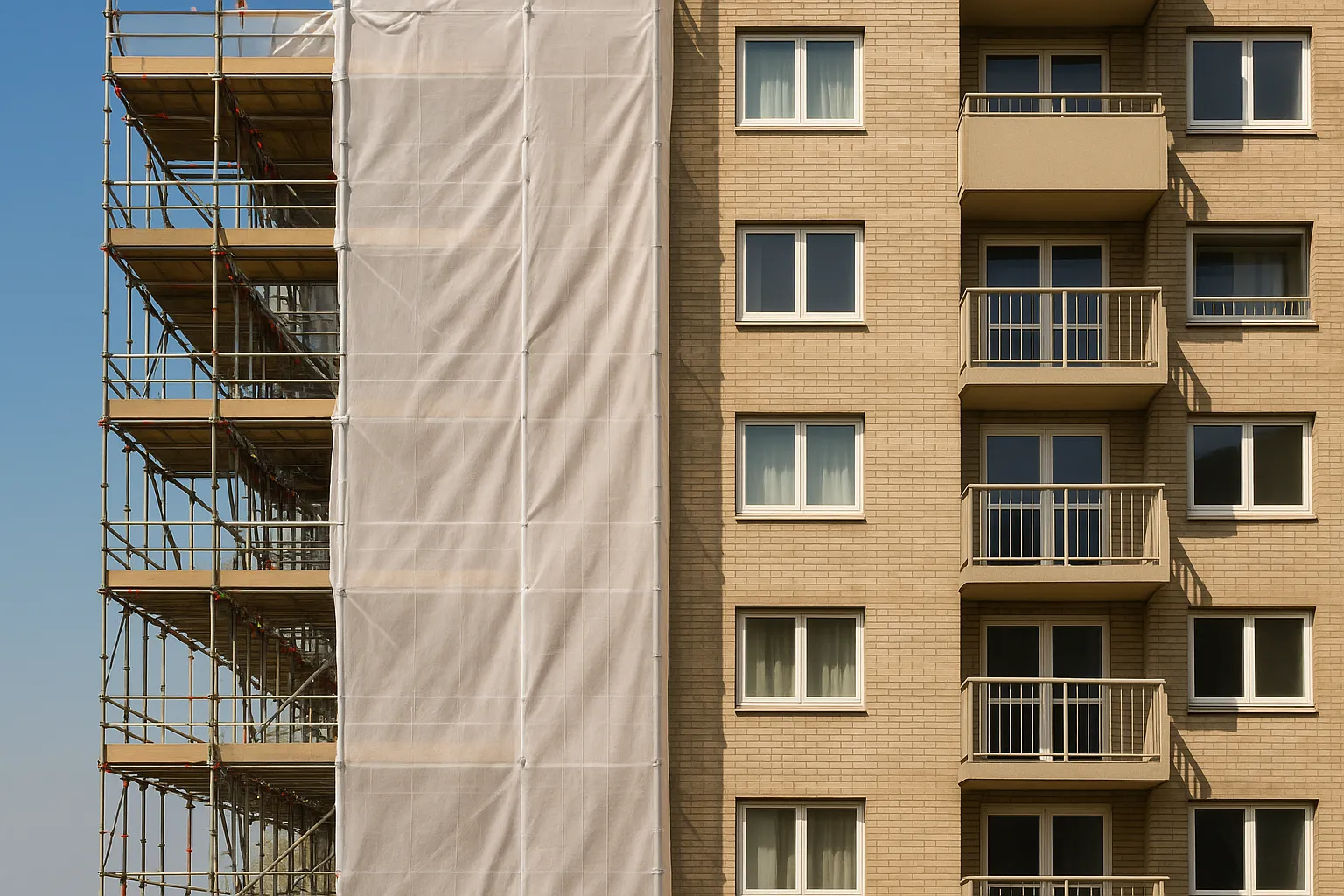
Health experts and housing organisations are calling for urgent collaboration with public health authorities to ensure that safety advice regarding extreme heat conditions is effectively adapted for individuals living in properties under building safety restrictions. There is an emphasis on appealing to England’s Chief Medical Officer to provide guidance aimed at protecting those unable to adequately ventilate their homes due to ongoing remediation efforts.
A spokesperson from the Ministry of Housing, Communities and Local Government (MHCLG) stated: “It is imperative that those accountable for remediation, especially developers, take all necessary actions to aid residents during severe heat events. We have reached out to developers, urging them to reassess their current procedures and report back to us on the measures being implemented during these heatwaves.”
Rhys Moore, the Executive Director of Public Impact at the National Housing Federation (NHF), highlighted the critical nature of residents’ safety and comfort as paramount to their members. “Our priority is ensuring the safety and well-being of residents,” remarked Moore. “While remediation is essential for ensuring buildings meet safety standards, we acknowledge the valid concerns raised about how these works may affect residents coping with extreme temperature increases. We are liaising with our members, especially those managing substantial remediation projects, and are committed to collaborating with them, alongside government and other organisations, to investigate potential mitigation strategies.”
Jaclyn Mangaroo, the Chief Communications Officer at The Property Institute (TPI), echoed these sentiments, applauding the attention drawn to the implications of remediation work on residents during significant heat events. Mangaroo stated: “TPI appreciates the importance EOCS has placed on the challenges residents face due to active remediation efforts during current and anticipated periods of extreme heat. It is crucial that ensuring building safety does not come at the cost of residents’ immediate health and comfort; both aspects must be considered concurrently. Many residents are currently in homes where remediation impacts ventilation, access to outdoor spaces, and the ability to maintain a cool living environment.”
To alleviate these issues, Mangaroo stressed the necessity of proactive approaches from all parties involved in remediation, including developers, contractors, building owners, and managing agents. She noted the essential role of property managers as the first point of contact for residents, stating, “They can facilitate communication, highlight concerns to building owners and contractors, advocate for practical alterations or protective measures, and maintain an open dialogue with residents to swiftly address their worries.”
Furthermore, the latest regulations under the Future Homes Standard, specifically concerning overheating, designated as ‘Part O’ in 2021, will not be revised at this juncture but are set for another technical review in the future. Industry experts have pointed to evidence indicating that homes constructed under this standard still face risks of overheating. An earlier policy briefing discussed last year underscored the necessity for enhanced building standards and stringent enforcement, particularly in light of the escalating climate crisis that is driving average temperatures higher.
In May, the publication Inside Housing examined the measures that social landlords have implemented to mitigate the risk of overheating in residences. Following last year’s record-breaking summer heat in the UK, experts have raised the alarm that 2026 may break these records once again, prompting immediate action from landlords and developers alike.
This urgent discourse reflects the ongoing struggle of many residents living in buildings undergoing necessary repairs or improvements, who find their living conditions compromised in extreme weather situations. Stakeholders are being increasingly urged to prioritise both compliance with safety protocols and the immediate needs of residents, setting a precedent for how future housing standards will accommodate the realities imposed by climate change.
The call for better integration of health guidance with the realities faced by residents during periods of extreme heat highlights a significant intersection of housing, health, and community welfare. As heatwaves become more frequent and intense, the coordination between developers, health officials, and property managers will be critical to ensuring that residents can safely navigate these challenges without jeopardising their health or comfort.
Looking ahead, the discussion around these issues is expected to amplify as ongoing heat events continue to pose risks not only to the very fabric of housing safety but also to the health and well-being of residents living in buildings affected by safety improvements. The dialogue unfolding among key stakeholders will hopefully foster a more comprehensive approach to housing policy that encompasses both safety and health, aiming to create living environments that are not only secure but also conducive to well-being even in the face of extreme weather challenges.
Our Thoughts
To avoid the issues highlighted in the article, several key actions could have been taken in alignment with UK Health and Safety legislation. First, adherence to the Construction (Design and Management) Regulations 2015 would have necessitated a thorough risk assessment that considers resident safety during remediation works, specifically related to temperature management and ventilation systems.
Moreover, clear communication protocols should have been established, ensuring that residents are informed about the impacts of ongoing works. This aligns with the Health and Safety at Work Act 1974, which emphasizes the duty to protect the health and safety of employees and non-employees affected by work activities.
The article indicates a breach of the related regulations due to inadequate risk management concerning heat exposure during ongoing work. To mitigate similar incidents in the future, developers and contractors must implement proactive measures, such as temporary cooling solutions and ensuring adequate ventilation even during remediation. Enhanced oversight and monitoring, especially in light of climate challenges, would support compliance with relevant regulations and protect residents’ well-being. Regular reviews and updates of overheating standards under Part O should also be prioritized to adapt to the changing climate effectively.