
















Story Highlight
– Councillors rejected BESS plans after nearly 700 objections.
– Residents expressed relief over the decision’s landscape concerns.
– Experts warn BESSs pose public safety risks.
– Government insists battery storage is critical for energy security.
– Company claims BESSs aid in decarbonising the national grid.
Full Story
Residents in South Hetton, County Durham, have expressed their satisfaction following the recent decision by local councillors to reject a proposed battery energy storage system (BESS). This decision comes amidst growing concerns over the implications of such facilities, which are designed to store renewable energy and enhance the nation’s energy security.
The Durham County Council planning committee initially recommended approval for the site, citing the anticipated advantages of bolstering renewable energy supplies. However, the plans faced formidable opposition, with nearly 700 objections from concerned residents. Ultimately, councillors voted against the proposal, citing significant harm to the area’s landscape as a primary concern.
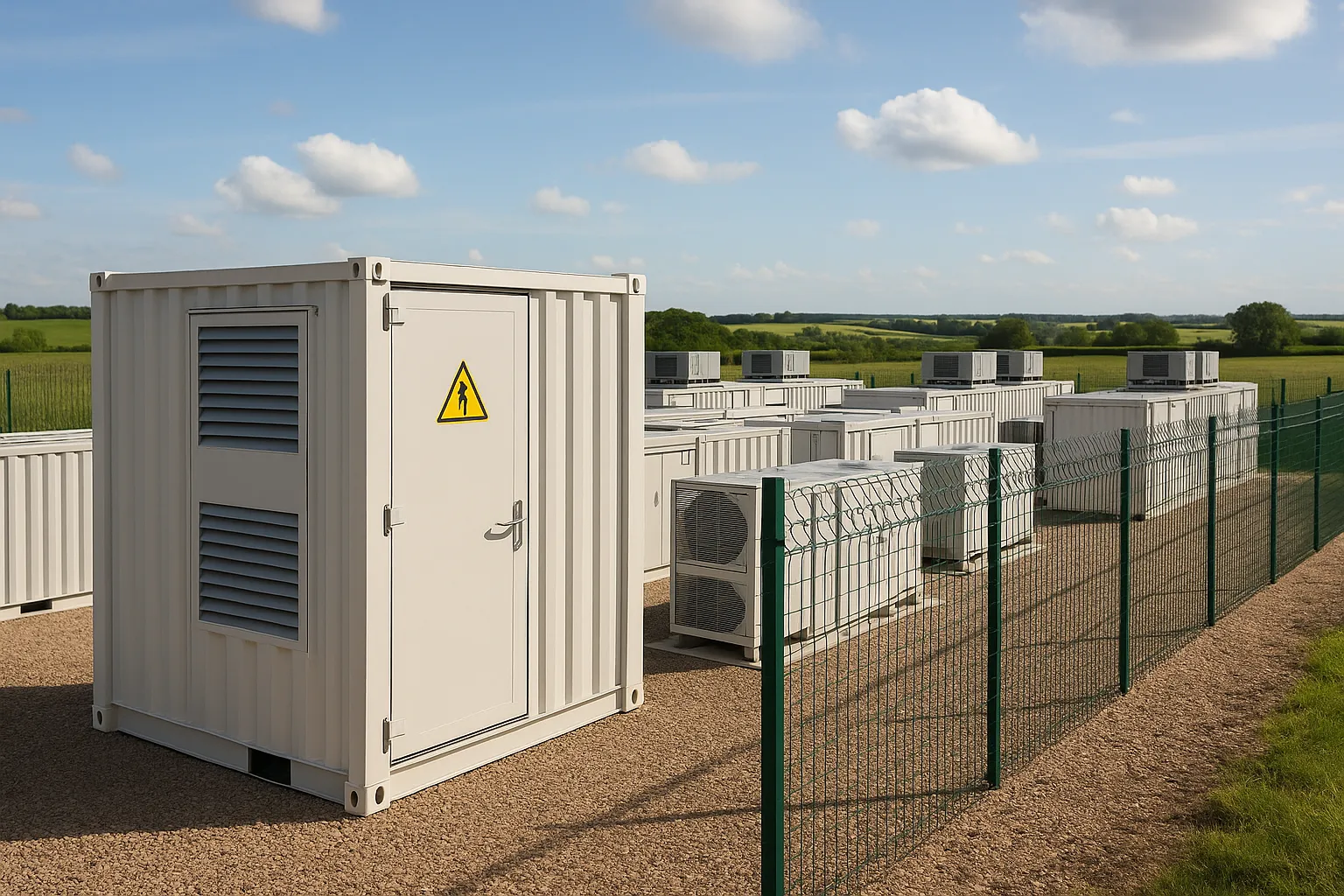
BESS facilities typically comprise large metal containers filled with substantial quantities of lithium-ion batteries. These systems are engineered to store excess renewable energy when supply outpaces demand. During periods of elevated energy consumption, the batteries can discharge this stored electricity back into the national grid, thus serving a pivotal role in energy distribution.
Residents of South Hetton have raised apprehensions about safety, particularly regarding the potential fire risks associated with battery storage systems. Lisa Miller, a local resident living just 300 metres from the proposed site, articulated her fears regarding public safety. Following the rejection of the application, she expressed her relief, stating, “I’m elated. This is the first hurdle to overcome, but it’s a win today – and a decisive win.”
Concerns regarding the safety of BESS installations are echoed by several experts in the field. Peter Dobson, a retired engineering science professor from Oxford University, has warned that these facilities pose significant risks. He likened the potential danger to having “a chemical refinery right next door to somebody’s house,” highlighting that the energy stored in a single battery container equates to the explosive power of approximately three tonnes of TNT. In light of such alarming comparisons, some experts are urging a temporary halt in the development of BESS sites until comprehensive health and safety regulations can be established.
Despite the rejection, representatives from Rewe 8 Ltd, the company behind the West Lane BESS proposal, emphasised the vital role that battery storage plays in the transition to a decarbonised energy grid. During the planning meeting, a company spokesperson pointed out that the local fire and rescue service had raised no objections to the project and that provisions for emergency water tanks had been included in the site plans to mitigate fire risks.
While planning officials at Durham County Council recommended the project based on its renewable energy benefits, the mounting objections from the community and input from parish councillors ultimately swayed the decision-making panel against the plans. The council’s decision reflects a broader apprehension regarding the integration of large-scale battery storage systems within local landscapes and communities.
Supporters of BESS technology argue that these facilities are essential for enhancing national infrastructure. A spokesperson for the Department for Energy Security and Net Zero underscored the government’s position, stating, “Every battery storage facility we construct and every solar panel we install helps protect families from future energy shocks.” They also reassured the public that existing high safety standards mandate manufacturers to ensure that batteries remain safe throughout their operational lifespan.
The pushback against the facility in South Hetton highlights a growing conflict between the drive for renewable energy solutions and the concerns of local communities about safety and environmental impact. As the UK government continues to advocate for the expansion of battery storage as part of its green energy strategy, the dialogue surrounding these developments is likely to remain contentious.
Residents in South Hetton have emphasised the importance of maintaining community involvement in the planning and development of energy infrastructure. Many local voices are now calling for more transparent consultations and clearer guidelines to address their safety concerns, especially as similar proposals may emerge in the future.
The contentious nature of the West Lane BESS proposal signifies a critical moment in the ongoing pursuit of renewable energy within the UK. With increasing reliance on battery storage to manage energy supply and demand, the intersection of safety, community sentiment, and environmental stewardship will be a pivotal aspect of future energy planning discussions.
As the nation moves forward with its renewable energy ambitions, local authorities will need to reconcile the demand for such installations with the legitimate concerns of those living in their vicinity. The situation in South Hetton serves as a pertinent example of this delicate balance, underscoring the necessity for ongoing dialogue and robust safety regulations as the UK transitions to a greener energy future.
Our Thoughts
The rejection of the proposed battery energy storage system (BESS) near South Hetton highlights significant public concerns about safety, specifically regarding fire risks associated with lithium-ion batteries. To prevent similar incidents, key lessons include the necessity of establishing clear safety regulations for BESS installations under UK legislation, particularly the Health and Safety at Work Act 1974, which mandates risk assessments to protect the public.
Relevant risk management strategies that could have been implemented include more rigorous community consultations to address public apprehensions and ensure that safety measures, such as emergency response protocols and fire prevention systems, are adequately planned and communicated. Additionally, companies should adhere to the Control of Major Accident Hazards (COMAH) Regulations if battery storage capacity poses potential risk levels similar to hazardous installations.
Furthermore, ensuring that the local fire services are involved in the planning phase to assess risks and preparedness for potential incidents would align with the principles of The Regulatory Reform (Fire Safety) Order 2005. As calls for a regulatory framework for BESS grow, proactive engagement between developers, regulatory bodies, and communities is essential to enhance both safety and public trust.