














Story Highlight
– Amber weather warning issued for extreme heat in England.
– Temperatures expected to reach 37-38°C on Thursday.
– Train passengers advised to travel only if necessary.
– Thunderstorm warnings also issued for Northern Ireland.
– Drought affects nearly three-quarters of England.
Full Story
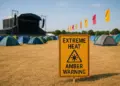
An amber weather warning for extreme heat has been issued across large parts of England, indicating that the country may experience its hottest day of the summer thus far. With temperatures anticipated to soar to 37°C on Thursday, residents are being urged to stay indoors during the hottest hours of the day to avoid adverse health effects.
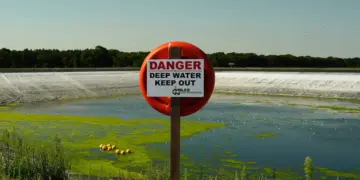
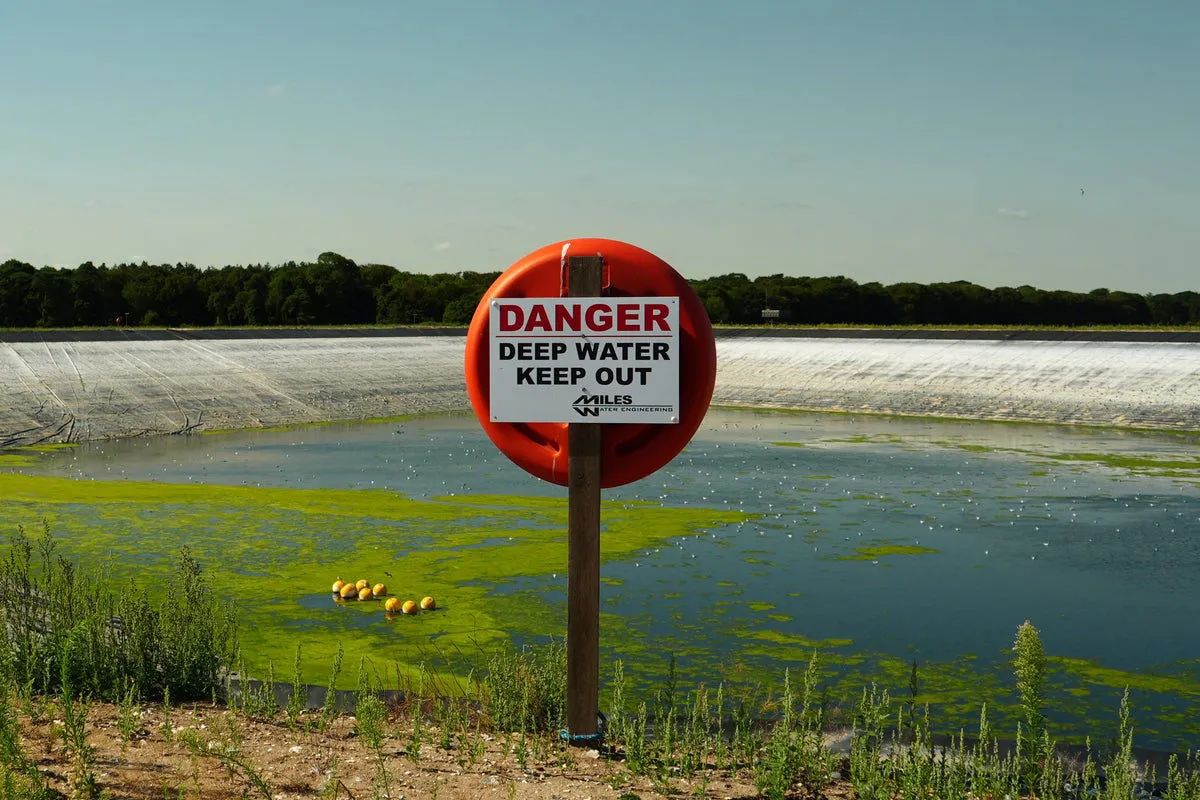
The Met Office has broadened its amber warning, which now spans extensive regions including parts of the South East, East Midlands, and the Midlands. This alert serves as a caution regarding potential health risks posed by extreme temperatures, and it highlights possible travel disruptions, risks related to water safety, and even power outages in certain areas.
Dr Michael Gregory, the regional medical director for NHS England in the North West, has called on the public to take necessary precautions against heat-related illnesses such as overheating, dehydration, heat exhaustion, and heatstroke. He advises, “Staying out of the sun during the hottest part of the day, from 11am to 3pm, can lower the risk of becoming unwell.” He also recommends conducting any physical activities, including dog walking or exercising, during the cooler morning or evening hours.
As the heatwave continues, train operators have cautioned passengers to limit travel plans to essential journeys only on Thursday due to expected service disruptions. Various rail services are likely to face interruptions because of the extreme conditions.
The national infrastructure is already facing significant stresses due to the rising temperatures, with the potential for buckled tracks, sagging overhead wires, and increased fire risks. High temperatures have serious implications for railway operations, as steel tracks can exceed 50°C when air temperatures hit around 30°C.
The amber warning was issued effectively from 9 am on Thursday, and it applies until midnight the same day. The UK Health Security Agency has noted that vulnerable groups are especially at risk during such heatwaves, with potential effects on the wider population, including sunburn and symptoms of heat exhaustion.
As if to compound the challenges of the heatwave, meteorologists have also issued yellow thunderstorm warnings for Northern Ireland, where storms are anticipated to bring further disruptions from Thursday morning. This warning covers several counties, including Antrim, Armagh, Down, Fermanagh, Londonderry, and Tyrone, running until 6 am on Friday.
While some regions grapple with the merciless heat, a drought has enveloped much of the nation, with nearly three-quarters of England and all of Wales currently declared to be in drought conditions. The National Drought Group reports that 71.3% of England is experiencing drought status, significantly impacting water resources for residents and agricultural practices alike. As of now, about 27 million people are already subjected to water-use restrictions.
In remarks addressing the ongoing heatwave, Met Office forecaster Alex Burkill noted, “Temperatures in areas covered by the amber warning could reach highs of around 36, 37, possibly 38°C.” He cautioned that such high temperatures could impact the transportation infrastructure, stating, “Our railway lines and roads are not designed for this sort of heat, especially with more people likely facing health challenges due to the temperatures.”
Prime Minister Andy Burnham convened an emergency Cobra committee meeting on Wednesday to discuss governmental responses to the continuing extreme weather. He urged the general public to keep a check on the vulnerable during this hot spell. In his statements, he acknowledged the increasing incidence of health impacts from the heat, noting that this summer could be one of the hottest recorded.
The anticipated temperatures on Thursday might even make the UK hotter than Athens, with those in Southern regions feeling the brunt of the heatwave. Participants in outdoor activities are advised to stay hydrated and consider the particular risks posed by prolonged sun exposure.
As the country experiences this unprecedented weather, some are also drawing attention to the environmental impacts, with wildfires breaking out in regions like the New Forest. Firefighters in the area are grappling with ongoing fires that have already spread across hundreds of acres. Shantha Dickinson from the Hampshire and Isle of Wight Fire and Rescue Service highlighted the challenges posed by battling wildfires in arid conditions, indicating that resources are stretched thin.
Calls have intensified regarding preventative actions against wildfires, including a proposal from Burnham for retailers to cease selling disposable barbecues, which can significantly contribute to ignition risks during these dry spells.
Drought orders may soon restrict non-essential water use, including washing cars and filling non-domestic swimming pools, as Southern Water applies for such measures amid flagged shortages. This push comes as severe drought conditions have resulted in water supplies being critically threatened.
In the context of ongoing climatic challenges, various experts have raised alarms regarding the long-term implications of persistently rising temperatures, poor rainfall, and increasing demand for water resources. A recent report projected that failing climate conditions might lead to further reductions in productivity across industries, estimated to cost the UK billions in economic losses.
Local authorities and communities are urged to remain vigilant and proactive as the heatwave continues to unfold, with hopes for eventual rain subsidising the overheating landscape amidst escalating temperatures.
Our Thoughts
To mitigate the impacts of the ongoing heatwave and prevent similar incidents in the future, several actions could have been taken. Firstly, employers should ensure compliance with the Workplace (Health, Safety and Welfare) Regulations 1992, which mandates maintaining a reasonable temperature in workplaces. Employers could have adapted work schedules by rescheduling strenuous activities to cooler parts of the day, providing fans or air conditioning, and ensuring access to adequate hydration.
Secondly, the management of public services, such as transportation, must adhere to the Health and Safety at Work Act 1974, ensuring that passenger safety is prioritized during severe weather events. Train operators proactively advising against unnecessary travel and implementing reduced timetables helps mitigate risks associated with heat-induced infrastructure failure.
Public awareness campaigns should be emphasized, urging vulnerable populations to stay indoors during peak heat and providing information on identifying symptoms of heat-related illnesses. Retailers should heed government advice, such as the call to restrict the sale of disposable barbecues, to prevent fire hazards during extremely dry conditions.
By enhancing active compliance with health and safety regulations and publicizing safety measures, the adverse effects of extreme heat events could be minimized significantly.