













Story Highlight
– Garages in very poor condition prompting demolition proposal.
– Proposal includes safe removal of asbestos and demolition.
– No redevelopment plans for cleared garage sites.
– Tenants offered relocation to refurbished units nearby.
– Environmental controls and safety regulations to be followed.
Full Story
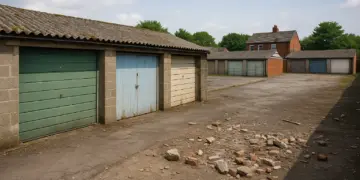
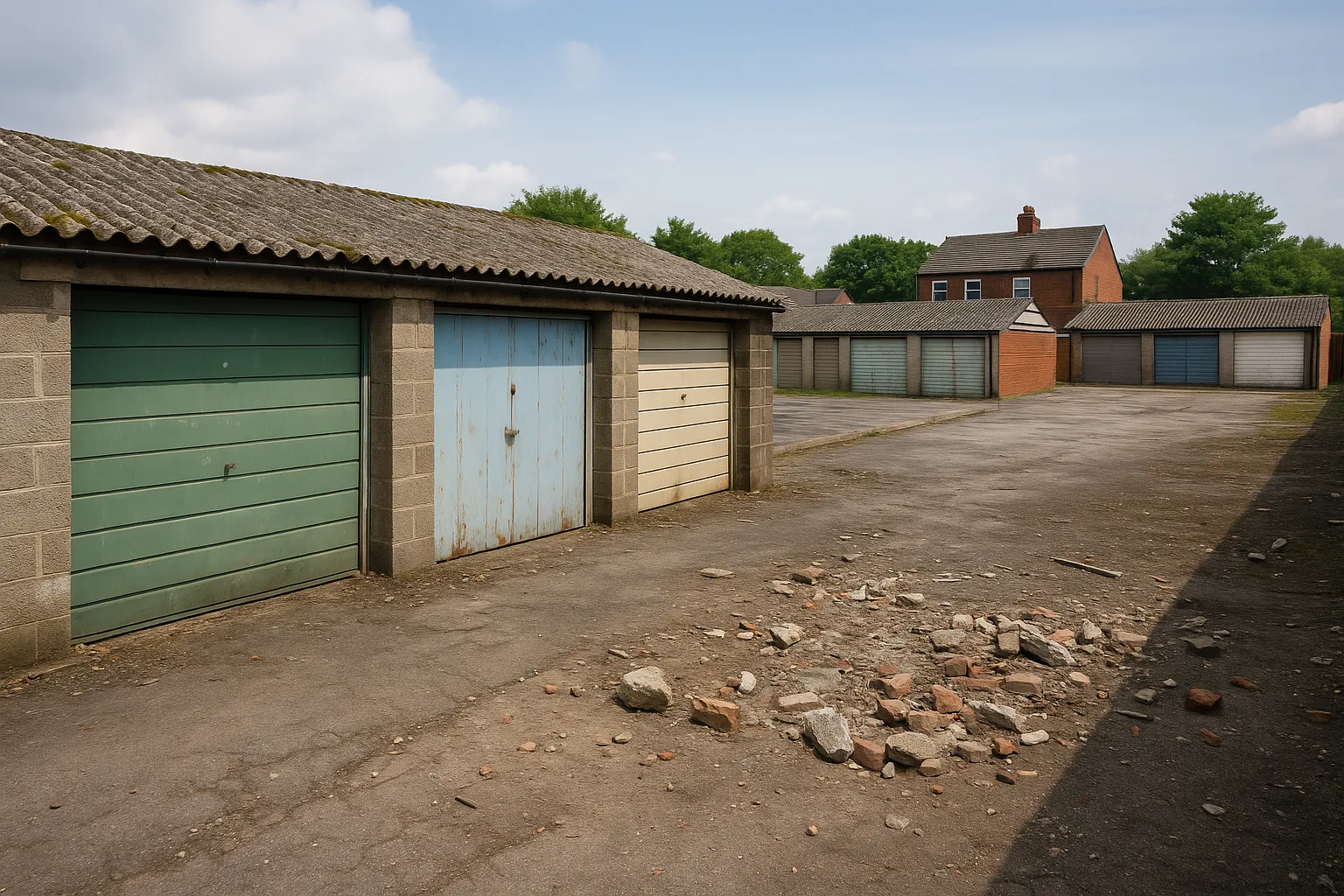
Bury Council is set to address ongoing concerns surrounding a group of garages deemed to be in “very poor condition,” which have frequently led to issues for both councillors and tenants. The council has put forward a proposal to demolish these structures as a response to the increased maintenance challenges and health hazards they pose.
The affected site comprises 30 garages distributed across three blocks, which includes one block of eight units located on Heap Street, alongside two blocks containing eleven garages each on Charles Street, next to Victoria Lane. This arrangement has become increasingly untenable, necessitating action from local authorities.
Central to the proposed scheme is the safe removal and disposal of asbestos cement roofing materials, a key factor in the health and safety protocols governing such demolition projects. The operational plans include the demolition of the existing garage structures and a thorough clearance of the site, all conducted in alignment with contemporary health and safety and environmental standards.
According to council documents, comprehensive asbestos surveys have already been completed, confirming the presence of hazardous materials and guiding the council’s next steps in the demolition process. Post-demolition, although the plots will be cleared, there is currently no intention for any immediate redevelopment of the land.
Documents released by Bury Council specify that the area will be regraded and levelled to enhance safety for pedestrians. Planning records, which received validation from the authority on August 5, clarify, “There are no plans for development to these sites. The land will be graded/levelled and made safe for pedestrians with the possibility of remedial works to facilitate this.”
Notably, the garages in question are reported to be non-essential to public parking availability in the region, with many currently left unused. However, for those tenants still utilising the garages, the proposal includes options for relocation to refurbished units situated on the same site, ensuring continuity for affected individuals.
The structures, primarily constructed from concrete and asbestos cement roofing materials, have reached their maximum serviceable lifespan. Maintenance of these garages has become increasingly laborious and expensive, underscoring the necessity for the demolition initiative.
Bury Council has outlined that all demolition activities will comply with stringent regulations related to asbestos handling and removal. These include the Control of Asbestos Regulations 2012, the Health and Safety at Work Act 1974, and the Construction (Design and Management) Regulations 2015. Emphasising safety, materials will be removed in a manner that mitigates dust creation, including the wet removal of asbestos sheets and their secure packaging in double-wrapped 1000-gauge polythene before being transported by licensed hazardous waste carriers to certified disposal facilities.
Moreover, the council has indicated that concrete and other recyclable waste materials will be processed accordingly, in line with duty of care obligations to ensure responsible management of waste. Moreover, personnel assigned to the demolition tasks will be required to complete asbestos awareness training and hold certifications for non-licensed removal of asbestos. Furthermore, air quality monitoring will be employed as necessary to ensure a safe working environment throughout the demolition process.
Upon conclusion of the work, the site will be meticulously cleared of debris and any potential hazards, with a completion certificate issued alongside all relevant waste management documentation to assure compliance with environmental standards.
The Bury Council will later evaluate this application, a step that provides an opportunity for community input and feedback on the proposed actions. The demolition of these garages is seen as an essential measure not only to enhance public safety but also to alleviate ongoing issues impacting tenants and local governance alike. Local residents have expressed varied opinions, with some welcoming the initiative for safety reasons, while others have voiced concerns about the lack of immediate redevelopment plans for the cleared land.
As the application awaits assessment, it remains crucial for Bury Council to maintain open communication with the community. Ensuring transparency in the decision-making process may alleviate apprehensions and foster a cooperative approach as they move forward with the project. The outcomes of this initiative may also serve as a model for addressing similar issues in other areas, reflecting a broader commitment to public safety and environmental stewardship.
Our Thoughts
The article highlights the ongoing issues with the garages that prompted a proposal for their demolition due to safety concerns, particularly regarding asbestos. To prevent similar incidents in the future, several key safety lessons can be derived:
1. **Proactive Maintenance and Inspections**: Regular inspections and proactive maintenance of the garages could have identified deterioration early, potentially preventing the need for demolition.
2. **Immediate Response to Safety Concerns**: Prompt action should be taken regarding tenants’ concerns, ensuring that issues are addressed before they escalate.
3. **Public Communication and Awareness**: Enhanced communication with tenants regarding safety and future plans could improve reassurance and trust in the council’s management of the properties.
4. **Comprehensive Risk Assessments**: While asbestos surveys were conducted, continuous risk assessments should accompany any construction or demolition proposals to ensure all potential hazards are addressed.
5. **Regulations Compliance**: Adhering to the Control of Asbestos Regulations 2012, the Health and Safety at Work Act 1974, and the Construction (Design and Management) Regulations 2015 is essential; ensuring that safety measures remain robust throughout the project.
By implementing these strategies, the risk of similar safety issues arising in the future can be mitigated.