








Story Highlight
– Years dog food recalled due to pet eye problems.
– Rectal catheters for babies deemed unsafe by authorities.
– A.Vogel recalls seeds for E. coli contamination risk.
– Home Bargains crisps recalled for labelling error.
– Various chocolates removed over undeclared allergens.
Full Story
### Latest Safety Alerts: Food Recalls and Medical Warnings
In recent weeks, a number of key safety alerts have emerged, prompting recall actions from various brands. Notably, a prominent pet food provider has initiated a recall of its products following concerning reports from pet owners, while the Medicines and Healthcare products Regulatory Agency (MHRA) has advised against the use of certain medical devices targeting infants. Below, we explore these developments in detail.
#### Urgent Recall by Years Pet Food
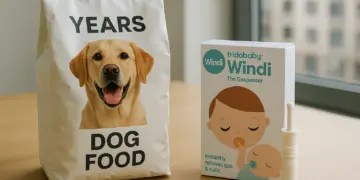
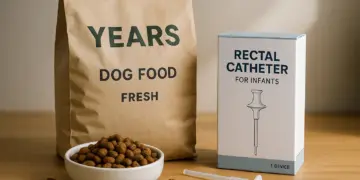
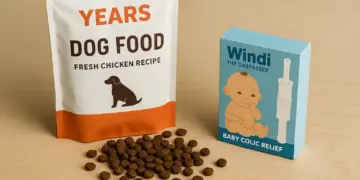
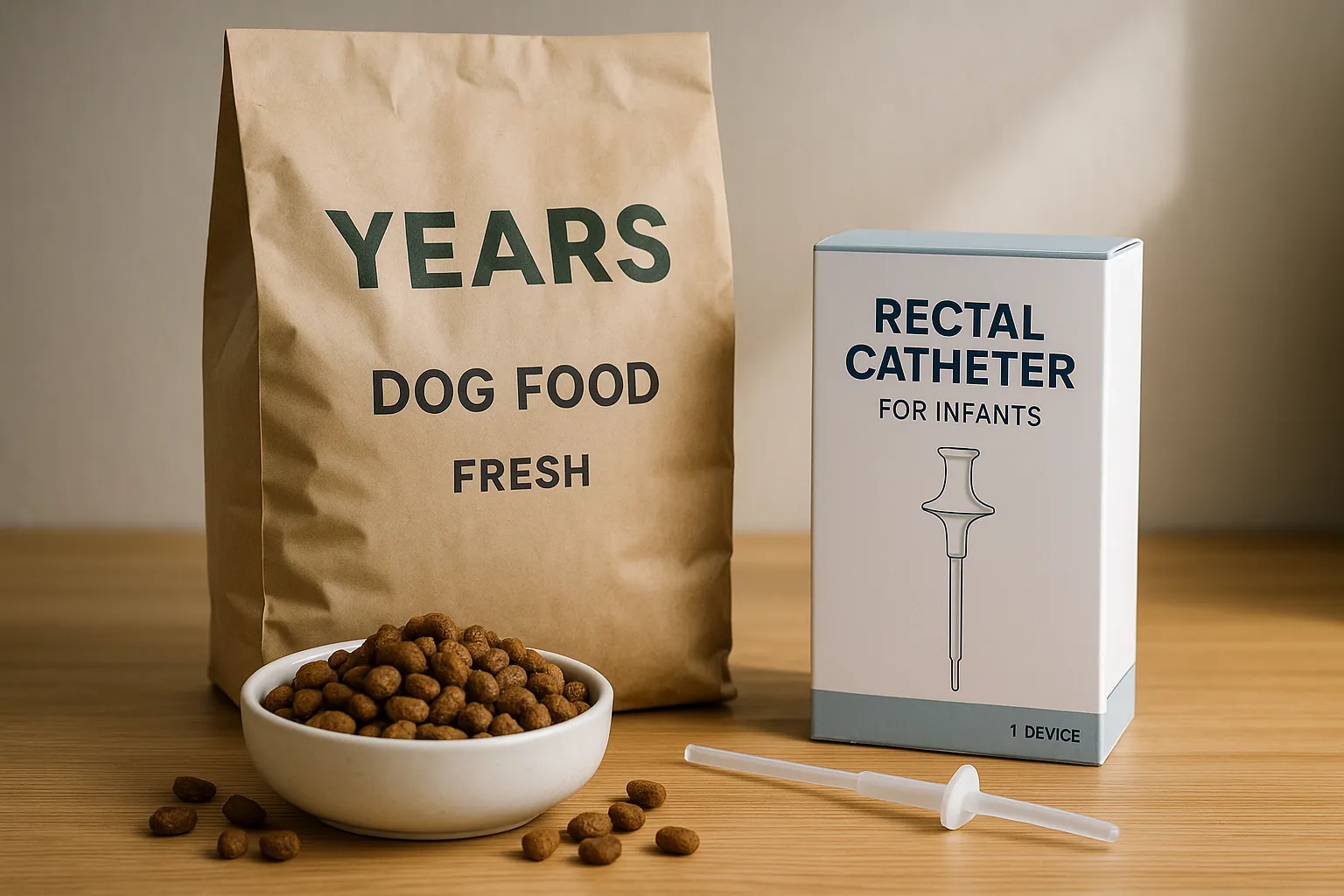
Years, a subscription-based pet food company, has announced a nationwide recall of all its dog food products. This proactive measure follows alarming reports of sudden eye-related issues among pets. Since August 12, over 50 dogs have shown symptoms of keratoconjunctivitis sicca, commonly referred to as dry eye, which has significantly affected their vision.
The recall stems from the inclusion of buckwheat in their formulations, a change made earlier this year. In light of these troubling developments, Years has suspended all subscriptions and is collaborating with veterinary experts, consumers, and independent professionals to conduct a thorough investigation into the matter. The company stresses the importance of animal health and is taking every step necessary to determine the root cause of these adverse reactions.
#### Warning Against Use of Rectal Catheters for Infants
In a separate health advisory, the MHRA has issued a warning against the use of rectal catheters aimed at alleviating gas and digestive discomfort in babies. These devices, which can be purchased over the counter or online without a prescription, have been highlighted for their potential risks.
Dr Alison Cave, chief safety officer at the MHRA, remarked on the distress such digestive issues can cause both infants and their families. “We understand that digestive discomfort and colic can be distressing for babies and their families,” she said. However, she asserted that, “there is not enough clinical evidence to support their safety and effectiveness,” hence the strong recommendation against their use. The MHRA advises parents to consult healthcare professionals to discuss any concerns regarding their infant’s digestive health, adhering to the guidelines provided by the NHS.
#### Supermarkets Issue Recall Notices for Food Products
In addition to the aforementioned warnings, various supermarkets across the UK, including Waitrose and Tesco, have announced multiple food recalls. Shoppers are urged to meticulously check their pantry and fridge to ensure they have not bought any of the affected items.
Among the recalls is one involving A.Vogel Ltd, which has pulled its Rapunzel bioSnacky Das Original Red Clover Seeds for Sprouts and Seedlings off the shelves due to contamination with Shiga toxin-producing E. coli. This bacterium can lead to severe gastrointestinal symptoms such as intense abdominal pain and diarrhea, posing a serious health risk, particularly to vulnerable individuals. The affected packages bear a batch code of 11293 and have a best before date in December 2028.
#### Home Bargains Crisps Recalled
A recall has also been initiated for crisps sold at Home Bargains. ASR Solutions Ltd has reported that their Lays Sour Cream & Dill Crisps are being withdrawn from sale due to a labelling error. The crisps contain unlisted ingredients, namely milk and wheat, which present a potential health hazard for consumers with allergies or intolerances. The products affected come in 125g packets, with best before dates extending up to October 31.
#### Bon Bons Wholesale Ltd Chocolate Products Removed
Additionally, Bon Bons Wholesale Ltd has recalled a range of chocolate items after discovering that they may contain undeclared milk and soya, potentially dangerous for those with specific allergies. The company has instructed retailers to remove these items from sale. The recall includes products such as the Medium and Small Red Ladybird chocolates and a Large Red Heart, each varying in best before dates from 2027 to 2028.
#### Gü Dessert Recall at Tesco and Waitrose
Lastly, a recall has been issued for a Gü dessert product, specifically the Double Sea Salted Caramel Frozen Dessert available at Tesco and Waitrose. This dessert has been identified as potentially containing hazelnuts and soya—ingredients that were not specified on its labelling—creating a significant health risk for customers with nut or soya allergies. The affected batch has a lot number of 126135 and is marked with a best before date of June 30, 2027.
As recalls and advisories continue, consumers are reminded to remain vigilant and prioritize their health. Shoppers who have purchased any of the recalled items are strongly advised to refrain from consuming them and return these products to the point of purchase for a refund. In light of these warnings, public health remains a priority, with regulatory bodies actively working to ensure safety standards are met within the food and healthcare sectors.
Our Thoughts
The recalls and warnings highlighted in the article emphasize significant lapses in health and safety practices across various sectors in the UK. Key safety lessons include the importance of rigorous ingredient testing and effective communication regarding product safety. For the dog food brand Years, a thorough risk assessment related to new ingredients, such as buckwheat, could have identified potential issues before products were released. The Veterinary Medicines Regulations may have been breached if safety data were not adequately gathered or considered.
In the case of the rectal catheters for infants, the MHRA’s warning about the lack of supporting clinical evidence indicates a failure to ensure product safety compliance under the Medicines Act 1968. Manufacturers must conduct adequate pre-market assessments and seek regulatory approval to ensure child safety.
Further, the recalls of food products due to allergen mislabeling suggest that the Food Labelling Regulations (1996) were not adhered to, which emphasizes the necessity of proper labelling practices to mitigate health risks for consumers with allergies. Similar incidents can be avoided through improved quality control measures, comprehensive risk assessments, and adherence to UK health and safety legislation.