
















Story Highlight
– Adverse reactions to Mounjaro increased by 340% in 2025.
– Over 40,000 side effects reported in the UK.
– Majority of reports involve women aged 30-39.
– Serious conditions linked include pancreatitis and gastrointestinal disorders.
– Eli Lilly emphasizes patient safety and reports monitoring.
Full Story
Reports of serious adverse reactions linked to the weight loss injection Mounjaro have surged dramatically over the past year, with figures indicating an increase of more than 300%. In 2025, there were over 40,000 reported instances of adverse reactions to tirzepatide, the active ingredient in Mounjaro, according to data from the UK’s Medicines and Healthcare products Regulatory Agency (MHRA).
Although fatalities associated with the injection have been documented since its introduction in 2019, health officials emphasize that these deaths have not been definitively attributed to Mounjaro itself. Nonetheless, the rise in reported side effects has raised concerns among healthcare professionals tasked with ensuring the safety of medications. The MHRA has indicated that the spike in reports suggests a ‘suspicion’ that the jab may be linked to some serious health issues.
The MHRA’s findings stem from its Yellow Card Scheme, which facilitates the reporting of concerns regarding medicines by patients, healthcare professionals, and caregivers. Alarmingly, reports earlier this year indicated that a growing number of individuals using weight loss jabs like Mounjaro have required emergency medical treatment due to suspected side effects.
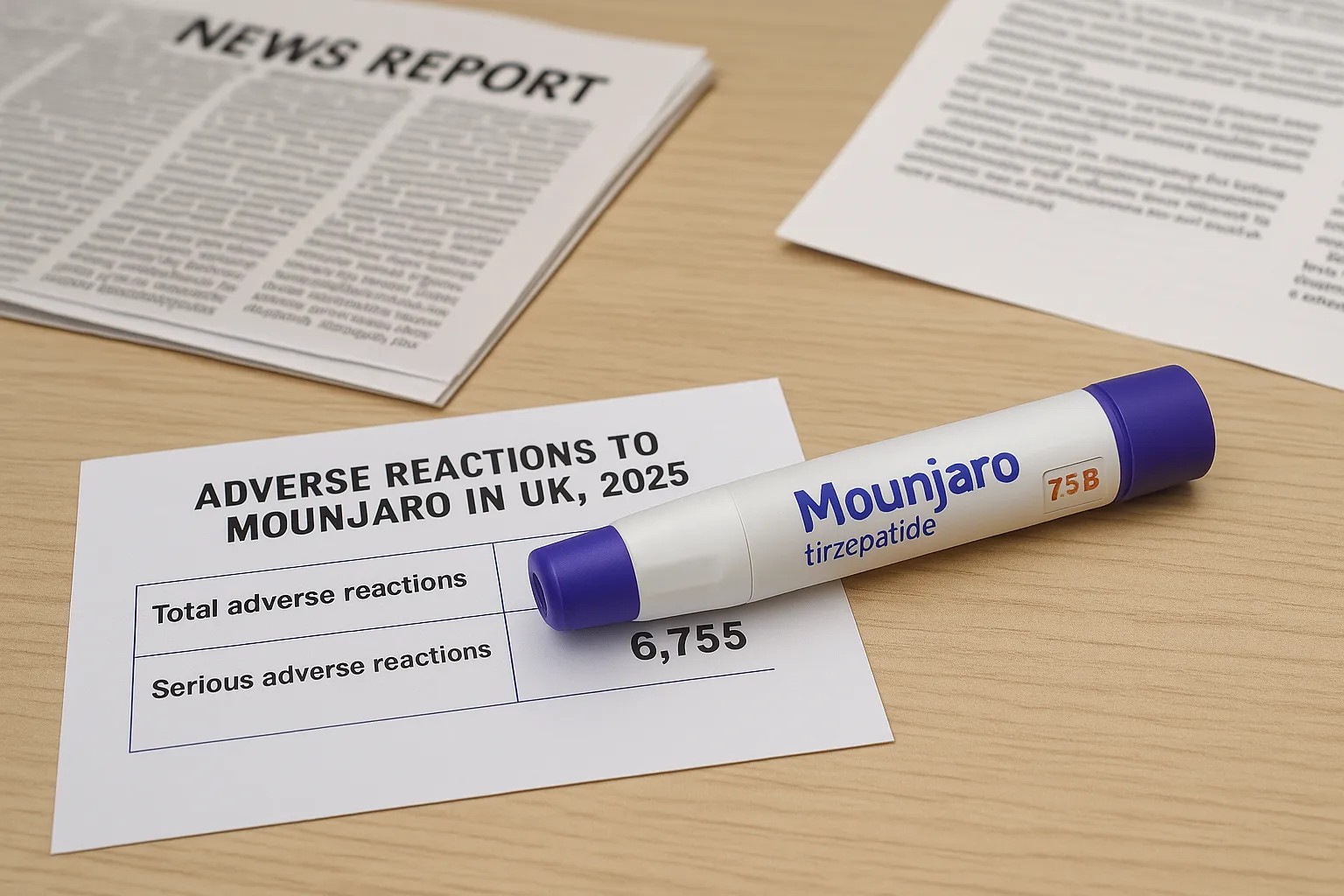
Recent data from the MHRA reveals a total of 40,025 reported adverse reactions for the year, encompassing 71 fatalities and 6,755 serious cases. This marks a staggering increase from 2024, which saw 9,153 adverse reactions reported, including 13 fatal instances. However, it is important to note that none of these reported deaths have been proven to be directly caused by tirzepatide, and the identities of the deceased have not been disclosed.
The demographic data surrounding these reactions reveals that women represented the majority of reports, accounting for 32,075 of the total. Although specific age data for all patients remains unavailable, the age group with the highest number of reports, totaling 1,397, was individuals aged 30 to 39.
Among the various types of side effects reported, gastrointestinal disorders emerged as the most prevalent, with 19 fatal cases out of 37,546 reports. Other reactions included general disorders and conditions at the administration site (682 reports) and nervous system disorders (670 reports). Meanwhile, the Yellow Card Scheme recorded 7,146 adverse reactions linked to a similar weight loss medication, semaglutide, in 2025, which included 19 fatalities. This figure represented a slight decrease from 2024, where 8,938 reactions were reported with nine deaths.
The MHRA has advised that the data collected should not be interpreted as a definitive list of potential side effects, nor should it serve as a benchmark to assess the safety profiles of different medications. This caution reflects the complexity of understanding pharmaceutical side effects and the variability in individual patient experiences.
One individual’s experience, Karen Coe, 60, illustrates the potential severity of the side effects. After deciding to take Mounjaro to tackle obesity and assist in managing type 2 diabetes, Coe reported experiencing agonising symptoms following her first injection on March 14, 2025. She described the initial side effects as severe headaches and dizziness, which escalated into excruciating stomach pain and extreme diarrhoea. These symptoms led her to require emergency medical assistance within days of her first dose.
Reflecting on her traumatic experience, Coe said: “At first I had a headache and got dizzy. I had a few stomach cramps. On Monday it was excruciating. It was like being ripped open with a knife.” Following her ordeal, Coe expressed concerns regarding the safety of the injections and implored others to think carefully before proceeding with similar treatments. “It can cause severe reactions and severe side effects. People should really think carefully and don’t take it lightly,” she warned.
In light of these troubling statistics and personal accounts, healthcare advocates and authorities are continuing to scrutinize the use of GLP-1 injections, including Mounjaro. These medications work by mimicking hormones that induce feelings of fullness and inhibit hunger, making them popular among those looking to lose weight. Additionally, they have shown to positively affect blood sugar levels, providing potential benefits for people with type 2 diabetes.
The pharmaceutical company Eli Lilly, responsible for Mounjaro, has responded to the reports by stating that patient safety remains their highest priority. They actively monitor safety information related to their medications and encourage patients experiencing side effects to report them through the MHRA’s Yellow Card scheme. “Regulatory agencies conduct extensive independent assessments of the benefits and risks of every new medicine,” a spokesperson emphasized, highlighting the importance of patient consultation when adverse events occur.
The significant rise in reports surrounding Mounjaro serves as a critical reminder for patients and healthcare professionals alike of the necessity for consistent monitoring. As more individuals seek treatments for weight loss and diabetes management, ongoing vigilance will be essential to ensure patient safety. The increase in awareness regarding potential side effects is crucial, especially as more data continues to emerge about the long-term impacts of medications like Mounjaro.
Our Thoughts
The significant increase in adverse reactions linked to the weight loss jab Mounjaro indicates a need for improved patient education and monitoring. First, healthcare providers should ensure patients are fully informed about potential side effects and the risks associated with the medication, adhering to the requirements of the Medicines and Healthcare products Regulatory Agency (MHRA) under the UK’s Human Medicines Regulations. Implementing clearer communication strategies could mitigate the risk of misunderstanding the drug’s effects, especially among vulnerable populations such as individuals with pre-existing health conditions.
Furthermore, proactive pharmacovigilance practices are essential. Increased scrutiny and reporting structures should be established to identify potential safety signals earlier, possibly preventing severe cases. This aligns with the stipulations under the UK’s General Product Safety Regulations, which mandate that businesses take necessary actions to manage risks associated with their products.
Lastly, strengthening regulations around the prescription of such weight loss medications, including comprehensive assessments prior to their administration, could ensure patient safety and compliance with health and safety obligations. This might involve adherence to the Health and Safety at Work Act 1974, emphasizing the duty of care owed to patients.