













Story Highlight
– Amazon removes necklace due to high cadmium levels.
– Cadmium is a category 1 carcinogen found in product.
– Product poses serious health risks, including cancer.
– Experts advise consumers to stop using necklace immediately.
– Exposure can cause severe respiratory and organ damage.
Full Story
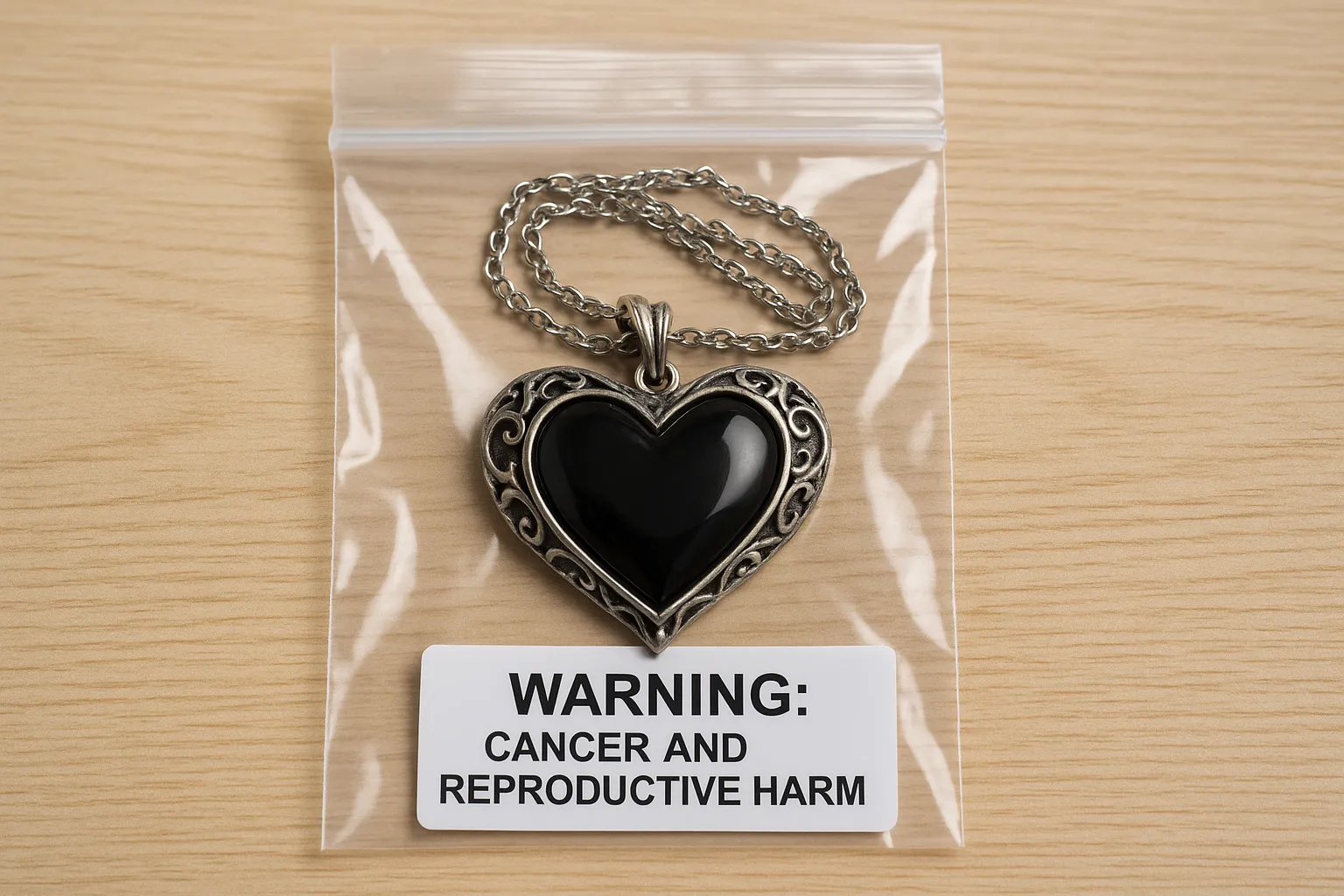
Amazon has taken the precautionary step of removing a heart necklace from its online platform after regulatory authorities highlighted serious health risks associated with the product. The Alchemy Gothic Necklace, which features a silver-style design with a black heart, was found to contain elevated levels of cadmium—an element recognised as a category 1 carcinogen. Following an investigation by the Office for Product Safety and Standards (OPSS), the e-commerce giant was compelled to cease its sales of the necklace.
Cadmium is a heavy metal that poses significant health hazards. The OPSS raised concerns regarding the necklace following tests that identified cadmium levels exceeding the regulated limits. This discovery indicated a “serious chemical risk” for consumers, as exposure to cadmium can lead to organ damage and an increased risk of cancer.
The jewellery in question originates from China and is packaged in a transparent bag. In light of the findings, regulatory experts strongly advised anyone currently owning this necklace to halt its usage immediately and to reach out to the supplier for potential remedies or refunds. The OPSS issued a statement underscoring the dangers posed by cadmium, noting that it can accumulate in the body and lead to severe health complications over time.
A spokesperson from the OPSS stated: “This product presents a serious chemical risk as the cadmium content was found to be greater than the maximum permissible limit. Cadmium is harmful to human health as it accumulates in the body, can damage organs and may cause cancer.”
In recent years, the European Union has dramatically restricted the utilisation of cadmium due to its associated health risks. Nowadays, the uses of this toxic metal are primarily confined to specific applications such as the manufacture of nickel-cadmium batteries, certain pigments, and electronic conductors.
The UK Health Security Agency (UKHSA) has established guidelines indicating that adverse health effects linked to cadmium arise mainly from inhalation or ingestion of the substance, making consumer awareness imperative. The agency states that prolonged exposure to cadmium can be fatal in severe cases. Furthermore, the International Agency for Research on Cancer (IARC) categorically identifies this element as carcinogenic for humans.
The UKHSA elaborated on the symptoms associated with cadmium exposure, noting that inhaling air with high concentrations can lead to respiratory issues such as shortness of breath, chest pain, and flu-like symptoms, colloquially referred to as metal fume fever, which may surface hours after contact. In extreme situations, such exposure might result in critical fluid loss, lung deterioration, and even organ failure.
Ingestion of cadmium poses its own risks, causing gastrointestinal irritation that may result in diarrhoea and nausea. Ingesting significant quantities could disrupt metabolism, lead to pulmonary fluid accumulation, and facial swelling. Additionally, prolonged physical contact with cadmium can irritate the skin and lead to chronic issues affecting bones and kidneys, as well as an increased risk of malignancies.
Following this incident, Amazon has been contacted for further commentary regarding their actions in managing safety matters associated with products on their platform. The removal of the necklace aligns with ongoing efforts by regulatory bodies to enhance consumer safety, particularly concerning products that may contain hazardous substances.
The case underscores the continuing importance of vigilance when it comes to product safety and consumer protection in today’s marketplace—be it online or in physical stores. While e-commerce provides convenient access to a myriad of goods, it also places greater responsibility on both consumers to be informed and companies to ensure the safety of their product offerings.
Experts emphasize that consumers should routinely monitor any product recalls or safety alerts, particularly when dealing with jewellery and other items that can come into direct contact with the skin or be ingested.
In response to this incident, the OPSS is expected to intensify its scrutiny of imported goods and to work closely with suppliers to safeguard public health. While crisis situations may arise, regulatory frameworks serve as essential safeguards that protect consumers from potentially harmful products, ensuring that safety standards are consistently upheld in the marketplace.
As this story develops, consumers are encouraged to remain informed and to take immediate action if they possess any potentially dangerous items. Regulatory bodies continue to champion safety priorities, and cooperation from major retailers will be crucial in addressing consumer concerns and ensuring the reliability of products available in the market today.
Our Thoughts
To prevent the sale of the Alchemy Gothic Necklace containing high levels of cadmium, Amazon and suppliers should have implemented rigorous product safety assessments in compliance with the UK General Product Safety Regulations 2005. This includes conducting thorough testing for hazardous substances, especially those classified as carcinogenic under the Control of Substances Hazardous to Health Regulations (COSHH) 2002.
Key safety lessons include the necessity for increased transparency in the supply chain and stricter vetting of product sourcing, particularly from international suppliers. Regular audits and monitoring could have identified the risk of cadmium contamination before the product reached consumers.
The discovery of excessive cadmium levels indicates a breach of the REACH (Registration, Evaluation, Authorisation and Restriction of Chemicals) regulations, specifically concerning the marketing of products exceeding concentration limits for hazardous substances.
To prevent similar incidents, firms should enhance their compliance protocols, including risk assessments and regular supplier audits, and ensure that all products are tested for compliance with UK health and safety standards before being placed on the market.