

















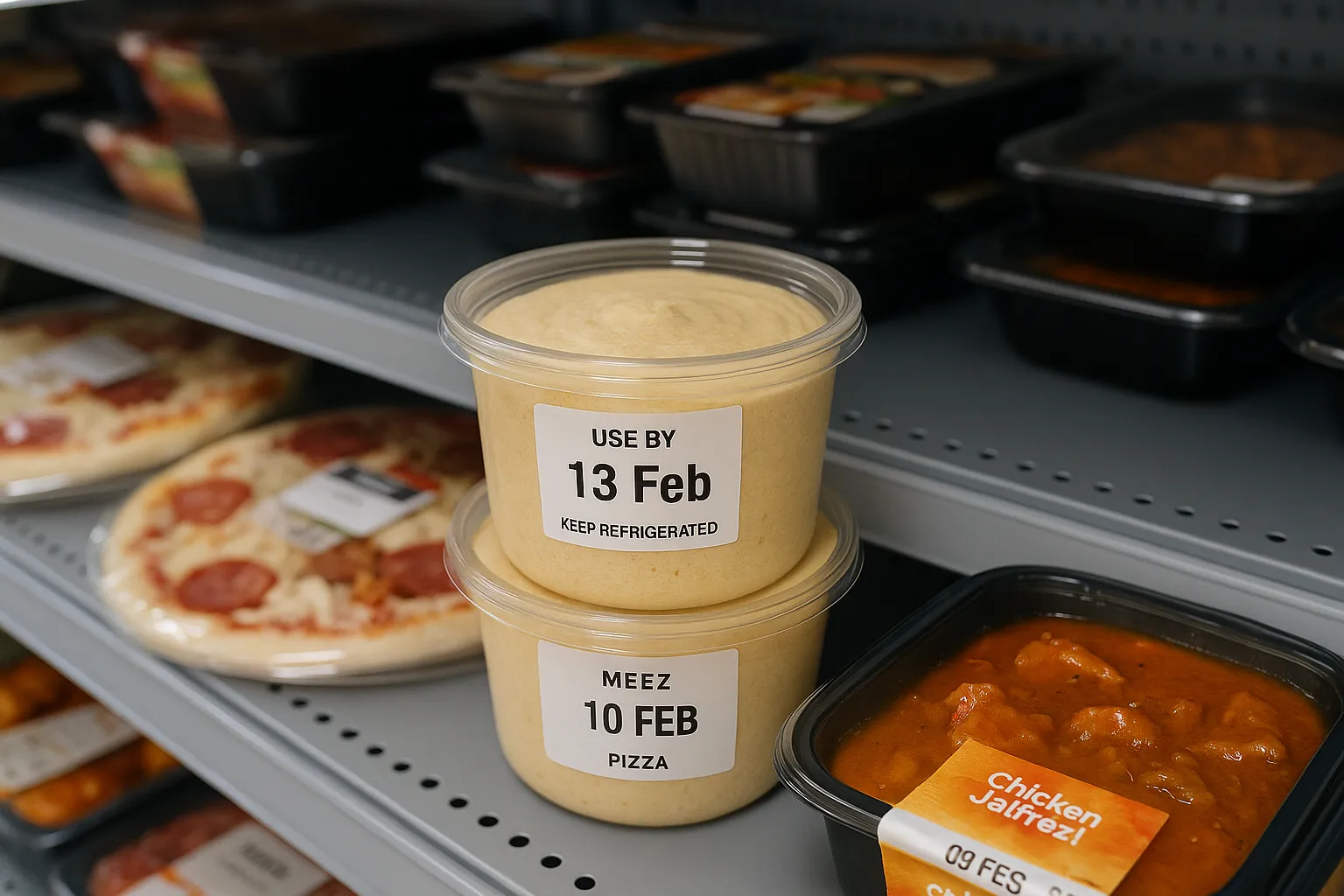
Story Highlight
– Asda fined £507,767 for selling out-of-date food.
– 41 expired items, including hummus, found in store.
– Offences posed risk to public health, officials warned.
– Barnsley Trading Standards confirms new compliance measures.
– Asda implemented date-checking process post-incident.
Full Story
A prominent UK supermarket chain has recently faced significant penalties, amounting to over £500,000, for the sale of food items that were past their sell-by dates. The enforcement action highlights ongoing concerns regarding food safety practices in retail environments. The case centers on Asda, which was fined £507,767 after admitting to five violations of the Food Safety Act, following a Trading Standards investigation into its Barnsley store on Old Mill Lane.
During the inspection, officials discovered a total of 41 food products, including tubs of hummus that were found to be 16 days overdue, being sold to customers. Along with the hummus, a variety of other items, such as frozen pizzas and ready-made curries, were among the out-of-date foods on the shelves. The Trading Standards team stressed that these goods could have posed a risk to public health, underscoring the seriousness of the supermarket’s oversight.
Under UK law, it is expressly prohibited for retailers to sell food that has surpassed its expiry date. However, items past their “best-before” dates may still be legally sold if they are deemed to be fit for consumption. This distinction is crucial in food retail, as it allows for the sale of food that, while not at its peak freshness, remains safe for consumers.
In response to the incident, a spokesperson for Barnsley Trading Standards remarked on the importance of compliance with food safety regulations. They stated, “While improvements have been made since these offences, including a new checking system, retraining and increased auditing in the store, the sizeable £100,000 fine per offence sends a clear message that non-compliance never pays.” This reiterates the enforcement agency’s commitment to ensuring that food sold to the public meets safety standards.
Contributions from local officials reflect a broader commitment to public health within the community. Councillor Wendy Cain, who represents Barnsley Council’s public health department, commented, “We’re committed to keeping our communities safe, a responsibility we take very seriously. We expect businesses of all sizes to only sell safe food, and this significant result sends a clear message that we will always put people’s health and safety first, taking action where businesses fail to comply with legislation or respond to warnings.”
The repercussions for Asda follow a trend of increased scrutiny on food retailers regarding their compliance with health and safety legislation. In light of the findings, the company has expressed its disappointment over the sale of these outdated products, acknowledging that it did not meet the expectations customers have come to expect. An Asda spokesperson stated, “We are disappointed that some out-of-date products were found on sale at our Barnsley store in 2024. This fell short of the standards our customers rightly expect and that we hold ourselves to.”
Since the discovery, Asda has implemented a revised date code checking system across all its stores. This initiative aims to ensure that only fresh products are available for purchase, reflecting the company’s commitment to improving food safety measures following the enforcement action. The introduction of such protocols underscores the importance of diligent monitoring of item expiration dates to prevent future incidents.
Community reactions to the fine have varied, with some residents expressing concern about the potential health implications of consuming expired food products. The case has sparked discussions around the responsibilities of large retailers in maintaining food safety and the measures they should take to safeguard public health.
Critics of the supermarket industry have pointed to this incident as indicative of larger systemic issues within food retail—issues that have led to calls for stricter regulations and more rigorous enforcement of existing food safety laws. The local Trading Standards agency has been pivotal in addressing these concerns, showing a proactive approach to ensuring compliance and safeguarding health standards within the community.
As the food retail landscape continues to evolve, heightened awareness and enforcement of food safety regulations will likely remain a priority for regulatory bodies. With consumers increasingly cautious about the quality and safety of their food, it is essential that supermarkets uphold the highest standards to maintain public confidence in their operations.
This incident serves not only as a cautionary tale for Asda but also for the entire industry, highlighting the vital role that efficient food safety practices play in protecting consumer health. Companies operating in the food sector must continually adapt and enhance their protocols to meet regulatory demands and consumer expectations.
Through enforced compliance and vigilance, businesses can contribute to a safer food environment—ultimately securing the trust of their customers while adhering to legal obligations. The focus on food safety will likely intensify, as public health experts and officials continue to advocate for strict adherence to guidelines designed to protect consumers.
Our Thoughts
The incident involving Asda selling out-of-date food highlights significant breaches of the Food Safety Act, specifically the failure to ensure that food items were within their expiry dates, which risks public health. To prevent similar occurrences, Asda could have implemented more robust inventory management systems, including regular audits and daily checks of product expiration dates. Staff training is essential for ensuring that all employees understand and comply with food safety legislation and the importance of adhering to expiry dates. The introduction of a date code checking process is a positive step, but it should be complemented by a culture of accountability and continuous monitoring. Furthermore, the supermarket should engage in routine assessments of compliance systems to identify weaknesses proactively. Regular feedback loops and a system for reporting compliance failures could further enhance safety measures. Ultimately, stricter enforcement of the regulations and commitment to regular training for staff are critical in preventing future violations of food safety standards.