















Story Highlight
– Safety review initiated after police officer’s death.
– Petition for increased safety measures has 1,600 signatures.
– Inquest revealed death caused by drowning in harbour.
– Bristol Harbour Authority rejects more railings for aesthetics.
– Council aims to enhance safety measures following incident.
Full Story
A thorough examination of safety protocols at Bristol’s harbour is set to take place in response to the tragic drowning of a police officer last November. The incident involved Rehaan Akhtar, who lost his life after spending an evening out in the city.
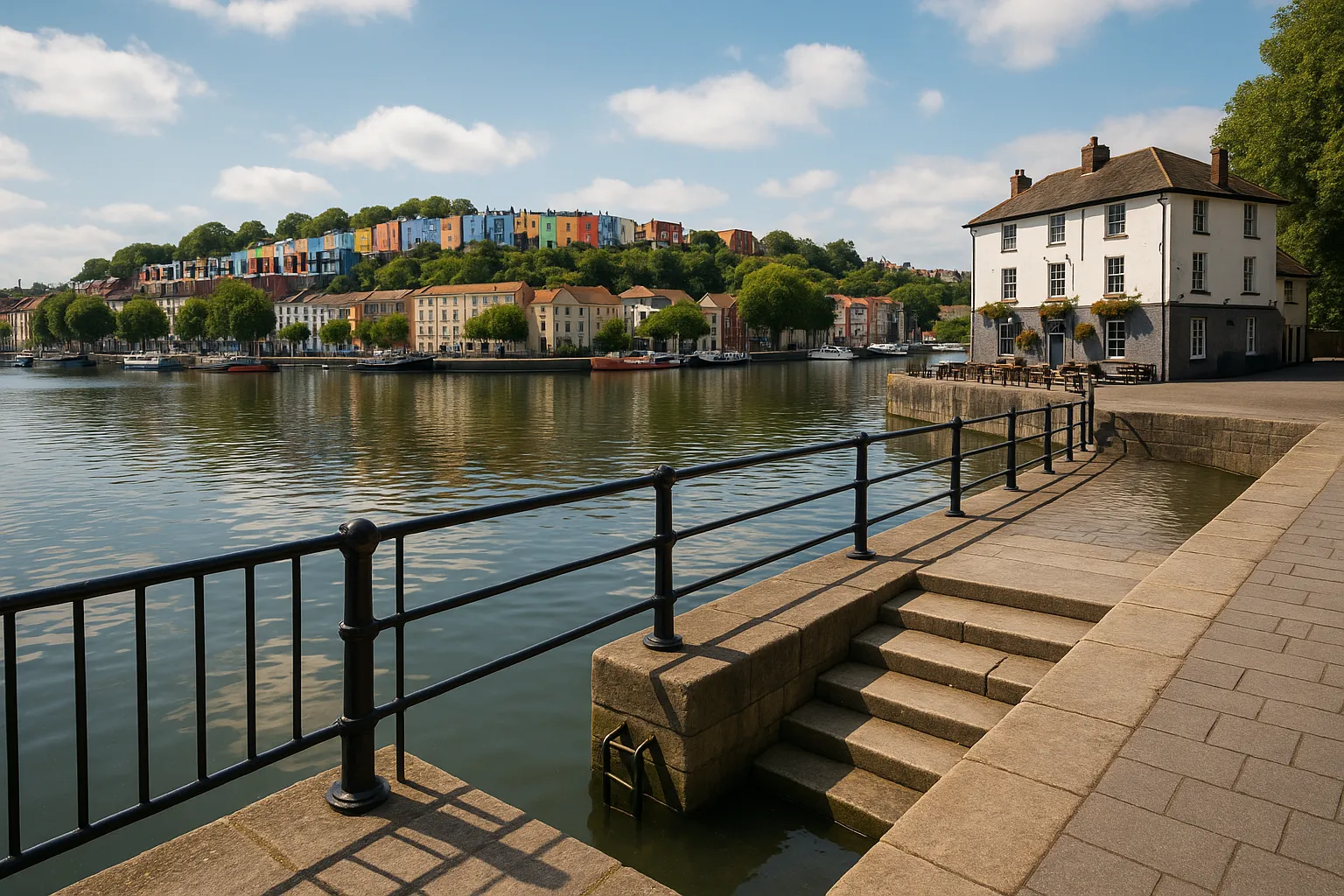
Local authorities have expressed reservations about the feasibility of erecting additional railings, citing concerns that such measures could detract from the harbour’s character and charm. This decision comes as a petition advocating for improved safety measures has garnered over 1,600 signatures, raising alarms about the adequacy of the current infrastructure protecting visitors and locals alike.
Bristol City Council has acknowledged the need to evaluate the implications of this incident, focusing on what can be learned for the future. The inquest into Akhtar’s death, which took place at Avon Coroner’s Court, revealed that he had not returned to his accommodation after an evening out. The assistant coroner confirmed, following a post-mortem examination, that the provisional cause of death was drowning. The inquest into his death has been adjourned, with the next hearing scheduled for 24 February.
The harbour area already features a number of railings; however, these installations are not without their flaws. Many of the barriers have significant gaps, which can be easily navigated, allowing individuals to access the water’s edge with minimal effort. Moreover, certain areas, like the steps located outside the Cottage pub, lack fencing entirely. Although ladders are available along the harbour walls for emergency exits, they remain poorly lit, obscuring visibility during nighttime.
Cliff Brand, who serves as the head of the Bristol Harbour Authority, noted that the authority would undertake safety evaluations with renewed commitment. “We’ve agreed to look at the items which have been raised by the coroner, in so much as increasing safety,” he remarked in reference to the recent events. “In light of the unfortunate accident to the PC from Wales, we will continue to do that [safety review] with added vigour.”
Despite this commitment to review safety measures, Brand expressed concerns regarding the implementation of more railings. “Bristol harbour is quite unique, and if we were to go around putting railings all around the harbour, it’s going to lose its identity and appeal,” he cautioned. Brand elaborated, drawing on his own experiences, saying, “I’ve been to harbours before where they’re basically ring-fenced with railings, and it’s awful. Yes, it meets safety needs, but it diverges away from what the harbour stands for, and that’s particularly the case with Bristol.” He reassured the public that enhancing safety measures would be a priority to prevent similar tragedies in the future.
Andrew Brown, the chair of the harbour committee and a member of the Liberal Democrats, offered condolences to the families affected by recent fatalities within the harbour area. He stated, “I think the committee will join me in sending commiserations to the families of those who have recently died within the harbour. We will be working through with officers to see what lessons can be learned and to see what may or may not be done to improve safety within the harbour.”
The incident has spurred a wider conversation about the balance between preserving the harbour’s aesthetic appeal and ensuring the safety of its users. As discussions take place among city officials, residents are increasingly vocal on social media, advocating for a more comprehensive approach to safety that does not compromise the cultural essence of the area.
Local safety experts have suggested exploring alternative safety measures that could be implemented without obscuring the harbour’s views. Some proposals include installing improved lighting along the promenade and increasing the frequency of patrols in the area, particularly during the busy evening hours when many visitors are present. This perspective is shared by a number of community members who wish to see a collaborative effort that addresses safety concerns while maintaining the harbour’s historical significance.
As the review progresses, it will be critical to engage with a wide range of stakeholders, including local businesses, residents, and safety advocates, to forge a path forward that upholds both safety standards and the unique character of Bristol’s harbour.
The tragedy that led to this safety review serves as a sobering reminder of the vulnerabilities that exist in public spaces. It reinforces the notion that while charm and character are essential components of a beloved locale, they must coexist with rigorous safety measures to protect everyone who enjoys the area’s offerings.
In the forthcoming months, the findings of the safety review will be of significant interest as Bristol seeks to reconcile the pressing need for safety improvements with the intrinsic value of its cherished harbour, ensuring that it remains a vibrant and secure space for both locals and tourists alike.
Our Thoughts
The tragic death of PC Rehaan Akhtar highlights several shortcomings in safety measures at Bristol Harbour. Key lessons include the necessity of comprehensive risk assessments as mandated by the Health and Safety at Work Act 1974, which requires a responsible approach to identifying and mitigating hazards. The Harbour Authority’s reluctance to increase railings due to aesthetic concerns potentially violates the Management of Health and Safety at Work Regulations 1999, which obligate employers to ensure the safety of individuals in their premises regardless of visual impacts.
To prevent similar incidents, it is vital to enhance visibility and accessibility of safety features, such as well-lit ladders for emergency exit. The existing gaps in railings that allow easy access to water highlights inadequate safety measures, which should be addressed in line with the HSE’s guidance on preventing falls near water.
Strengthening public safety messaging and signage around the harbour can increase awareness and promote responsible behaviour among visitors, essential for aligning with the requirements of the Health and Safety Information for Employees Regulations 1989. Implementing these changes could significantly reduce the risk of drowning incidents in the future.