

















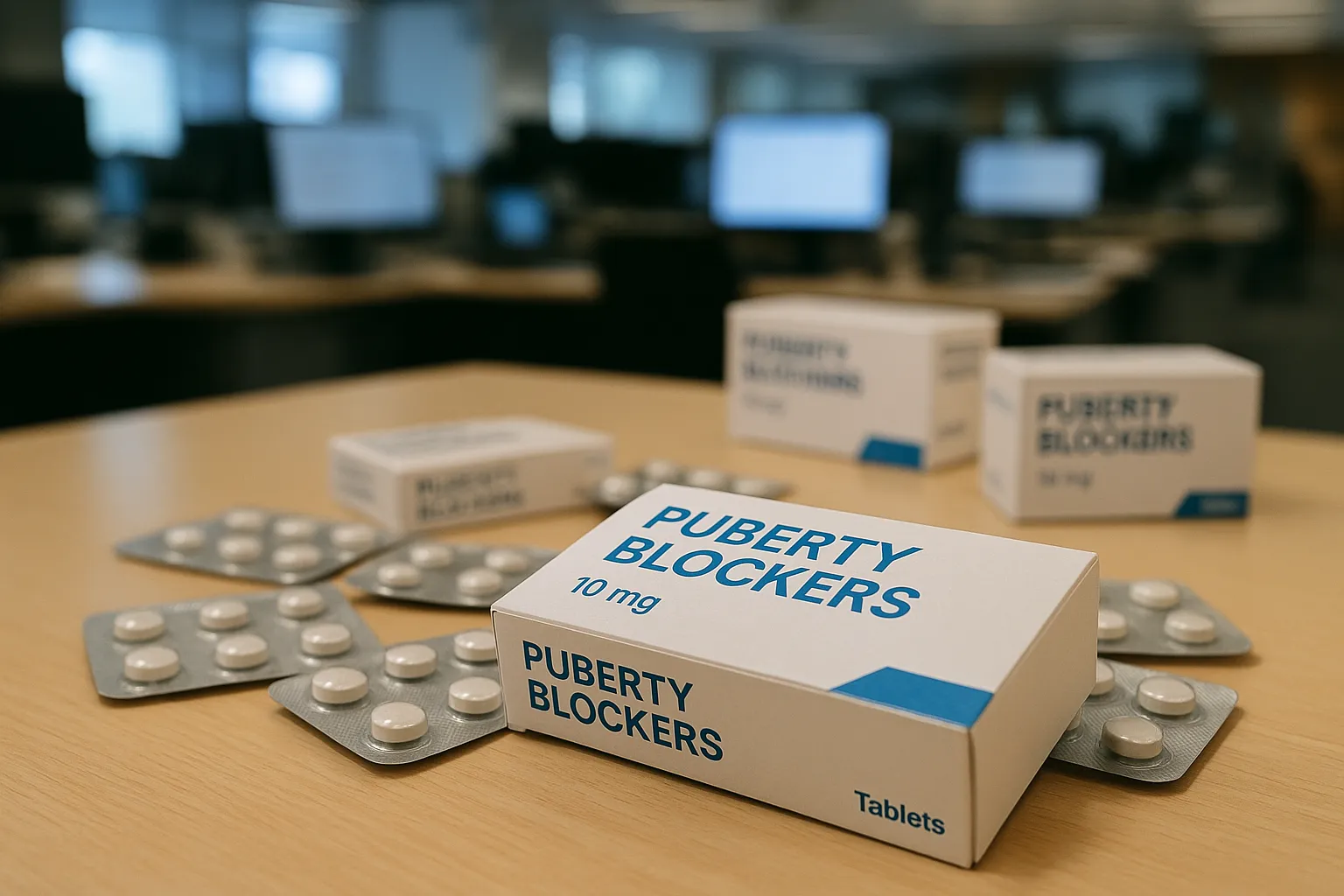
Story Highlight
– Shadow minister urges halt to puberty blocker trial for children.
– Trial involves 226 children, youngest is eight years old.
– Critics fear trial leads to lifelong infertility and harm.
– Health Secretary expresses discomfort but proceeds with trial.
– Department emphasizes research needed for informed medical decisions.
Full Story
The ongoing debate surrounding the use of puberty blockers for children continues to intensify, with significant voices from various sectors urging caution. Claire Coutinho, who serves as the Shadow Minister for Equalities, has recently pressed Health Secretary Wes Streeting to terminate a clinical trial involving puberty blockers, which is slated to involve 226 children, some as young as eight.
In a piece published in the Daily Express, Coutinho reflects on her own childhood experiences, sharing how, at the age of eight, she engaged in whimsical play and dressed like beloved children’s entertainer Timmy Mallett. Her recollections serve to underscore her concerns regarding the implications of the trial. Coutinho argues, “Despite the Health Secretary saying he is uncomfortable with the trial, the Labour government is pushing ahead with it.” She warns that the medications could lead children towards lifelong infertility and that most participants may later require hormone treatments, resulting in ongoing medical interventions throughout their lives. “This is nothing less than the state-sanctioned chemical castration of children and it will come to be seen as one of the darkest acts of this government. This trial is open to children still in primary school,” she asserts.
The trial has its roots in the Cass Review, which scrutinised the sector of children’s gender care. The review’s findings indicated that much of the existing research supporting the efficacy of puberty blockers for those experiencing gender dysphoria was substandard. Following the review, a ban on the use of puberty blockers for individuals under the age of 18 was instituted in December 2024.
Concerns regarding the trial have also been voiced by notable figures, including JK Rowling, author of the Harry Potter series, who has highlighted potential dangers associated with the study. Prominent political leaders, such as Conservative Party leader Kemi Badenoch and Reform UK leader Nigel Farage, have called for the trial to be halted. Additionally, a number of cross-party MPs have united against the initiative, with independent MP Rosie Duffield orchestrating a letter appealing for its cancellation.
Maya Forstater, the CEO of the charity Sex Matters, has expressed strong disapproval of the trial, stating, “There can be no justification for the NHS knowingly ruining the healthy bodies of vulnerable children through the puberty blockers trial. The buck stops with Wes Streeting. He has already expressed doubt about the trial. He cannot pass the buck to an ethics committee consisting of volunteers which met for just a few hours. His only honourable course of action now is to call a halt.” She further highlights the uncertainty surrounding the consequences for the approximately 2,000 young adults in the UK who were previously prescribed puberty blockers during childhood, advocating for a comprehensive analysis of their current circumstances before further engagement in such trials.
The response from Health Secretary Wes Streeting indicates a degree of internal conflict regarding the decision to proceed with the trial. During an appearance before the Health and Social Care Committee, Streeting admitted that this was a decision he grapples with daily. “All the way through, I’ve had to weigh up risk of harm to children and young people, which is why it’s not straightforward, why I’ve lent on clinical advice from people far more qualified than us to make these decisions,” he explained. He acknowledges discomfort not only with the trial itself but also with the implications of the blanket ban on puberty blockers enacted in late 2024.
In a statement addressing the controversy, a representative from the Department of Health and Social Care emphasised the importance of evidence-based medical care. “Medical care must always be based on solid evidence, and children’s safety must come first,” they reinforced. The spokesperson elaborated further on the Cass Review, noting that both the previous government and the current administration accepted its recommendations to ban puberty blockers for those experiencing gender incongruence. They stated that the trial was conceived to address the evident lack of scientific data on the matter and that its approval followed comprehensive safety evaluations and the implementation of various protective measures to ensure youth welfare, including clinical oversight and parental consent.
This situation remains contentious, fostering a broader dialogue about the balance of advancing medical research while ensuring the wellbeing of vulnerable populations. Many remain hopeful that the forthcoming research from the trial will clarify the long-term impacts of puberty blockers on health and development and guide future policy decisions in this sensitive area. As discussions continue, the perspectives of those such as Coutinho and Forstater indicate a strong stance demanding rigorous ethical considerations and a thorough, cautious approach to medical interventions involving minors.
Our Thoughts
The article raises significant concerns regarding a clinical trial of puberty blocking drugs for children, highlighting a potential breach of UK health and safety regulations concerning the protection of vulnerable individuals, particularly minors. To avoid such controversies and risks, several measures could have been implemented:
1. **Enhanced Risk Assessment**: Prior to approving the trial, a comprehensive risk assessment should have been conducted that adequately considers long-term effects, ensuring alignment with the Health and Safety at Work Act 1974. This would necessitate robust data on past outcomes for children previously treated with puberty blockers.
2. **Informed Consent and Safeguards**: Ensuring that informed consent processes are rigorous and transparent, particularly when involving minors, is essential. Safeguards must be in place to protect children from potential harm due to the irreversible consequences of such treatments.
3. **Data Monitoring and Transparency**: Ongoing monitoring of participants and a commitment to transparently sharing results would be critical. The recent UK regulations mandate that medical trials must adhere to best practices in participant safety and ethical considerations.
4. **Consultation and Stakeholder Engagement**: Engaging with a broad range of stakeholders, including medical professionals, ethicists, and the communities affected, could foster a more inclusive decision-making process that prioritizes children’s safety.
Effective implementation of these measures could help prevent similar incidents and assure compliance with pertinent UK health and safety regulations.