












Story Highlight
– Spring inspires mass decluttering and charity donations.
– British Heart Foundation has nearly 700 UK outlets.
– Many clothing items cannot be accepted as donations.
– Strict safety regulations apply to children’s items donated.
– Various personal appliances and hazardous items are prohibited.
Full Story
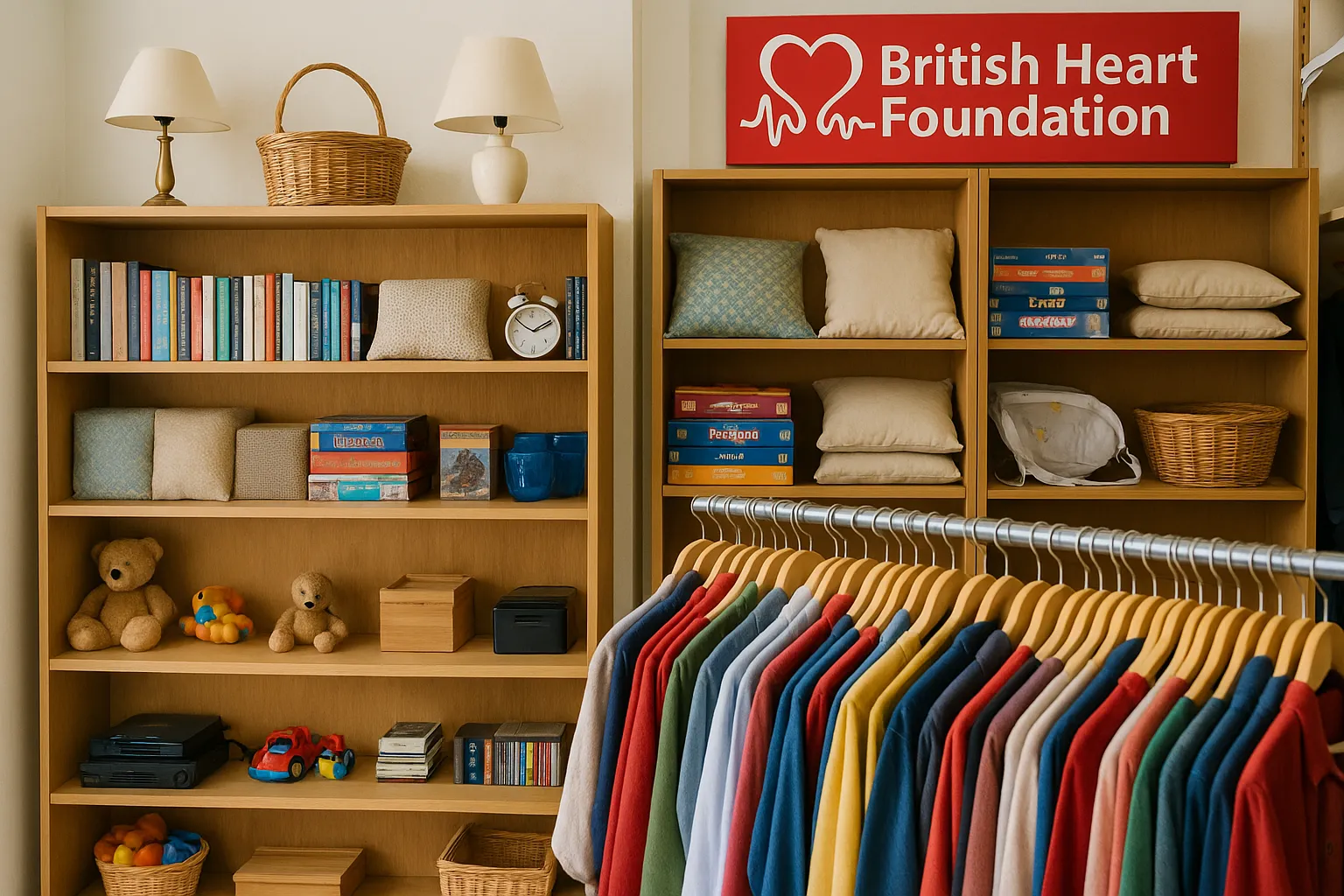
As the spring season draws near, individuals are increasingly focusing on the task of decluttering their homes. This time of year often sparks a surge of spring cleaning efforts, as many seek to fulfill those New Year’s resolutions aimed at eliminating excess belongings in their lives. A common destination for such unwanted possessions is local charity shops, where contributions can be sold to benefit various charitable causes. One of the most prominent recipients of these donations is the British Heart Foundation, which operates nearly 700 shops across the UK, making it the largest network of charity retail outlets, as reported by The Big Issue and noted by the Express.
These charity shops typically stock a wide array of items, ranging from household goods and clothing to books and entertainment items. However, potential donors should be aware that there are numerous restrictions on what can be handed over, primarily for legal, safety, and health reasons. To avoid unnecessary trips to these stores, it’s beneficial to familiarize oneself with the types of items that the British Heart Foundation, and other similar charity retailers, are unable to accept.
**Clothing Items**
When it comes to clothing donations, many people might expect that almost any garment can be dropped off at a charity shop. However, the British Heart Foundation has specific criteria that must be met. Notably, fancy dress costumes for adults are often declined if they lack the necessary safety labels indicating low flammability, which are crucial for compliance with fire safety regulations. For children’s costumes, items must possess a CE or UKCA mark or equivalent safety certification.
Moreover, nightwear such as pyjamas, nightdresses, and robes—whether for adults or children—must also come with a flammability label. This rule is enforced to ensure that all clothing sold to the public meets safety standards. Surprisingly, children’s clothing featuring drawstring hoods is another category that the charity specifically rejects, highlighting the importance of adhering to safety standards in children’s apparel. Additionally, handmade knitted items are not accepted, further narrowing the scope of acceptable clothing donations.
**Furniture Donations**
The British Heart Foundation also specializes in selling furniture and homeware, yet there are significant stipulations regarding what can be donated in this sector. While the condition of furniture must be sound, certain items are categorically refused. For instance, the charity shops do not accept used pillows, duvets, or quilts. Furthermore, cushion covers and upholstery must carry fire safety labels to be considered for resale.
Furniture that has been treated with lead paint is also prohibited from acceptance, as are upholstered items lacking proper fire safety labelling. This rigorous adherence to safety guidelines aims to protect consumers and ensure safe resale practices within the charity sector.
**Child-Related Equipment**
Protecting the safety of children is paramount for the British Heart Foundation, resulting in a more comprehensive list of prohibited items pertaining to kids. Notably, car seats and booster seats are among the many items they turn away, along with prams, pushchairs, and buggies. Although these items may still be in good condition and could benefit another family, they pose significant safety risks that prevent their resale.
Other prohibited child-related equipment includes cots, high chairs, safety gates, and playpens. The charity shop has determined that such items do not meet safety criteria for second-hand resale, which may be a disappointment for parents hoping to donate useful items. Additionally, inflatable beds, dinghies, and water toys are also on the list of unwanted donations, as are various safety-related restrictions that ensure the well-being of children receiving used equipment.
**Additional Restrictions**
In addition to clothing and furniture, several other items are deemed unsuitable for resale through the British Heart Foundation due to hygiene concerns. Personal appliances, such as electric shavers or foot spas, are only acceptable if they are new and sealed. Prescription glasses are also excluded from donation lists, reflecting a strict adherence to health guidelines.
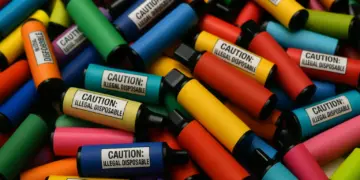
Weapons of any kind are prohibited, along with any item that could pose a risk to health and safety. This includes a wide range of gas- or oil-powered equipment, as well as a number of electronic devices. For example, items such as electrical blankets, electrical hoists, oil lamps, oil heaters, and power tools, including washing machines, fall under the category of unsuitable donations.
**Conclusion**
As communities prepare for the annual ritual of spring cleaning, it is essential for prospective donors to remain informed about the acceptable conditions for items intended for charity shops, particularly those operated by the British Heart Foundation. By understanding these guidelines and restrictions, individuals can ensure that their donations are appropriate and contribute positively to the charitable efforts aimed at supporting health-related causes across the UK. With a little preparation, the decluttering process can become a meaningful way to support others while making space in one’s home.
Our Thoughts
To avoid potential legal and health and safety issues related to the donation of unsuitable items to charity shops like the British Heart Foundation, a more comprehensive public awareness campaign could be beneficial. This campaign should educate the public on the specific requirements and regulations surrounding donation items, particularly regarding safety labels and relevant British Standards such as the Consumer Protection Act 1987 and the General Product Safety Regulations 2005.
Charity shops could implement clearer signage indicating accepted and prohibited items, paired with staff training on how to communicate these standards effectively to donors. Additionally, improving the information available online about donation guidelines could help donors make informed choices before visiting these stores.
Key safety lessons include the importance of ensuring that donated items, especially children’s products and upholstered furniture, comply with safety regulations to prevent hazards. Regular audits of the donation process and the implementation of strict acceptance policies could further help mitigate risks associated with dangerous items.
Lastly, adherence to the Health and Safety at Work Act 1974 mandates a responsibility to protect both workers and the public from potential harm, highlighting the need for charity retailers to establish robust safety protocols.