





Story Highlight
– Kids Create Sand Art Kit flagged for asbestos risk.
– OPSS issued product recall on February 20, 2026.
– Asbestos poses health risks even at low exposure levels.
– Consumers advised to stop using and dispose safely.
– Return product for refund or follow disposal instructions.
Full Story
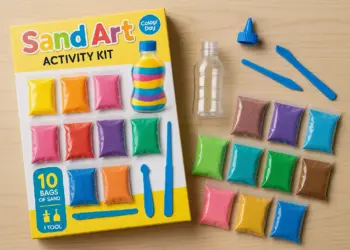
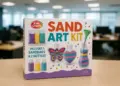
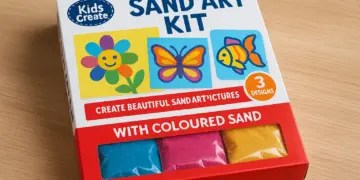
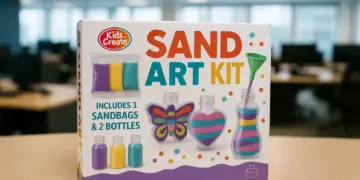
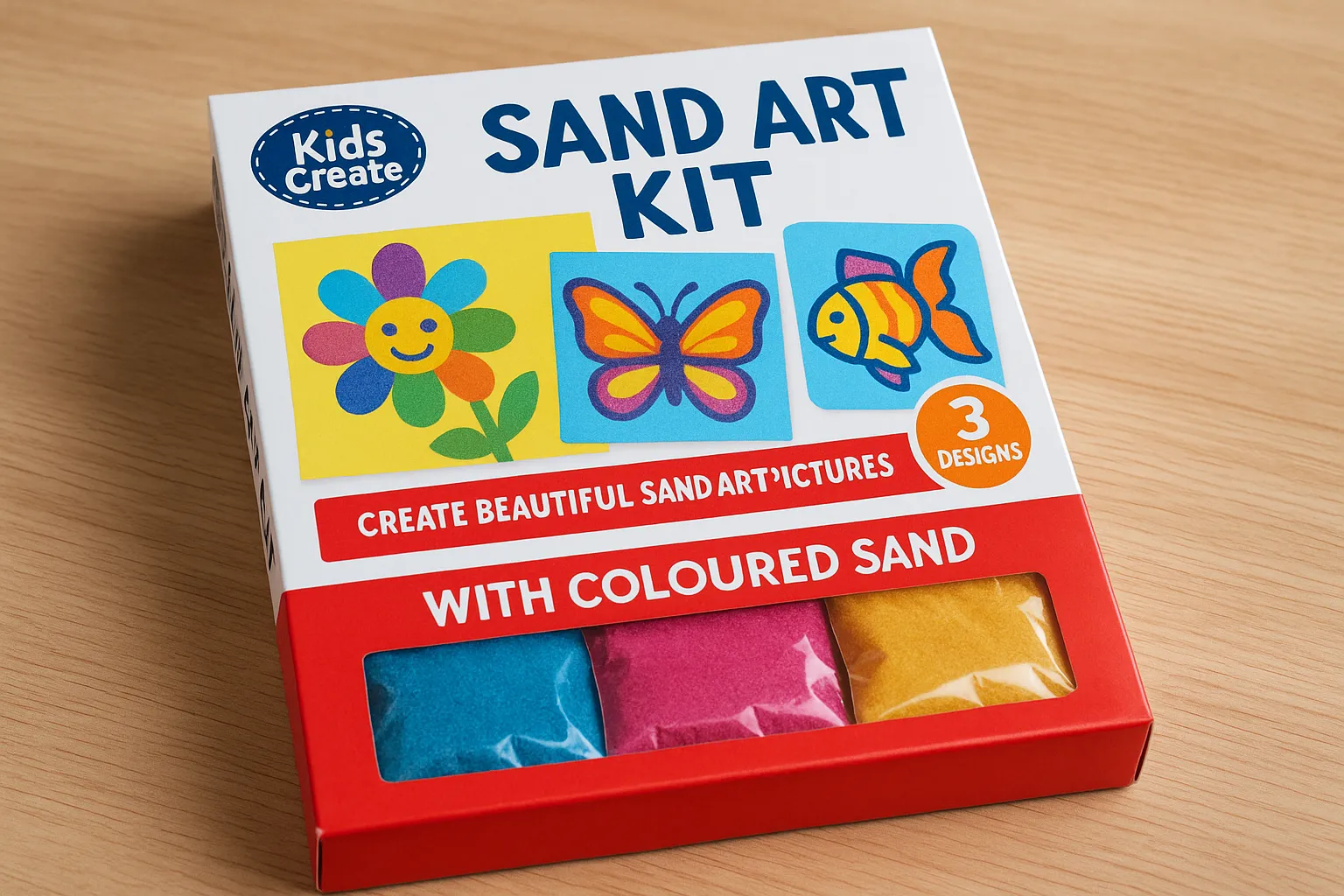
A precautionary measure has been initiated by the Office for Product Safety and Standards (OPSS), which has raised concerns regarding a children’s toy due to potential asbestos contamination. The Kids Create Sand Art Kit has been identified as a health hazard, leading to its recall. This development was formally announced on February 20, highlighting the risk associated with the sand included in the kit.
The OPSS has issued a comprehensive hazard statement indicating that the sand may be tainted with asbestos, a substance recognised for its health risks even at minimal exposure levels. Asbestos is classified as a banned material under current health and safety regulations due to its serious implications. Consequently, the product does not comply with the Toys (Safety) Regulations of 2011.
The item in question is produced under the Kids Create brand by IG Design Group UK Limited. Customers with this particular product are urged to take immediate action. The official recall includes a specific barcode, 5012128618222, and the model is listed as YKICACA4A016. The affected sales period encompasses purchases made from January 2025 through February 2026.
The sand art kit is described as containing three bags of coloured sand, each weighing 20 grams. As a direct result of the OPSS notification, IG Design Group UK Limited is actively recalling the product and advising consumers on necessary next steps. Customers are urged to stop using the kit without delay and to keep it away from children’s reach.
For those in possession of the Kids Create Sand Art Kit, the OPSS has provided detailed disposal instructions aimed at ensuring safety during this process. These guidelines are critical for preventing any potential health risks associated with asbestos exposure. Parents and guardians are encouraged to follow these recommended steps carefully:
1. Cease all use of the product immediately.
2. If the sand remains unopened, it should be sealed in a heavy-duty plastic bag, securely taped, clearly labelled, and stored well out of the reach of children.
3. In cases where the sand has already been used, clean the affected area with damp cloths to minimise dust production. It is recommended to wear gloves and a mask during this clean-up process, followed by double-bagging the used sand, gloves, masks, and cloths.
4. Ensure that children and others stay clear of the contaminated areas until they have been thoroughly cleaned.
5. Return the product to the retailer where it was purchased for a refund. However, if visiting the store is impractical, consumers are advised to dispose of the product with their regular household waste, following the aforementioned cleaning guidelines.
6. Finally, contact the distributor for assistance in obtaining a full refund.
This recall arrives amidst growing awareness regarding toy safety and public health standards, further emphasised by the OPSS’s proactive stance to monitor products that may pose risks to consumers, particularly vulnerable groups like children. The presence of asbestos in consumer products, especially those intended for children, raises considerable alarm among parents and healthcare professionals alike.
As the OPSS continues to investigate, there is a renewed call for manufacturers and distributors to ensure rigorous testing and compliance with health standards for all toys. Experts stress the importance of vigilance in product safety practices, noting that even minimal exposure to asbestos can lead to serious health complications down the line.
Consumers are reminded of their rights regarding product safety, and if they suspect they’ve purchased a recalled item, they should not hesitate to act. Authorities are accommodating these concerns by providing clear channels for reporting and returning unsafe products. The ongoing scrutiny of consumer goods illustrates an essential aspect of public health advocacy, urging both institutions and individuals to remain alert to the potential dangers present in everyday items.
In parallel conversations, there is ongoing discourse around regulations governing product safety, with many advocating for stricter controls on manufacturing processes, particularly as they relate to hazardous materials. As recalls such as this one unfold, they serve as poignant reminders of the need for heightened awareness and action towards better oversight in the toy industry and beyond.
Moving forward, the OPSS is expected to collaborate with other regulatory bodies and health experts to continuously assess safety guidelines, ensuring that all toys comply with the highest safety standards. This ensures that children’s products are not only entertaining but also safe, allowing parents to feel secure in the items they bring into their homes.
Our Thoughts
To prevent incidents like the Kids Create Sand Art Kit containing asbestos, manufacturers must adhere strictly to the Toys (Safety) Regulations 2011, which prohibit hazardous substances, including asbestos. Key safety lessons include the necessity for rigorous testing and quality control processes during production to ensure compliance with safety standards.
Additionally, manufacturers should implement comprehensive risk assessments during the design and sourcing phases to identify potential hazards associated with materials used in toys. Continuous monitoring and reporting procedures should also be established to promptly address any safety issues that arise post-market.
Relevant regulations breached in this case include the Health and Safety at Work etc. Act 1974 and the Consumer Protection Act 1987, which require that products placed on the market are safe for consumers. Regular audits and compliance checks are essential in upholding these regulations, fostering a culture of safety that prioritizes consumer health.
To prevent similar incidents, regulators should enhance oversight of product testing standards and strengthen guidelines for manufacturers regarding material sourcing. Public awareness campaigns may also inform consumers about potential risks associated with toys, encouraging vigilance when selecting products for children.