













Choose an AI chat
Safety technology from Res Digital
Teenager campaigns for stricter controls on alcohol delivery apps after cousin's death
UK Health and Safety Latest

Teenager campaigns for stricter controls on alcohol delivery apps after cousin’s death

by Ellie Cartwright
September 11, 2026
0

Anissa Khalfa, an 18-year-old from South Tyneside, is leading a campaign for stricter regulation of alcohol delivery services following the...

Read moreDetails
Calls grow for 20mph limits to enhance road safety despite opposition

Calls grow for 20mph limits to enhance road safety despite opposition

September 11, 2026
AI in healthcare needs robust regulation, report advises

AI in healthcare needs robust regulation, report advises

September 11, 2026
Disappointment over health bill's impact on patient safety

Disappointment over health bill’s impact on patient safety

September 10, 2026
MPs urge urgent cosmetic surgery reforms amid patient safety concerns

MPs urge urgent cosmetic surgery reforms amid patient safety concerns

September 10, 2026

Archives

  • September 2026
  • August 2026
  • July 2026
  • June 2026
  • May 2026
  • April 2026
  • March 2026
  • February 2026
  • January 2026
  • December 2025
  • November 2025
  • October 2025
  • September 2025
  • July 2025
  • August 2009

Categories

  • Health and Safety Help
  • News
  • Policies
  • UK Health and Safety Latest
  • About
  • Advertise
  • Policies
    • Privacy Policy
    • Editorial Policy
    • Corrections & Complaints policy
  • Useful Documents
    • Understanding RIDDOR
    • 10 Workplace Safety Failures
    • A Complete Guide to Reporting Safety Incidents in the UK
    • Fire Risk Assessment: Meeting the Regulatory Reform (Fire Safety) Order
    • COSHH Basics: A Practical Guide to Control of Substances Hazardous to Health
    • Working at Height in the UK: The Essentials (WAH Regulations 2005)
    • Asbestos in the Workplace: Control of Asbestos Regulations 2012 (CAR) Essentials
    • Managing Contractors Under CDM 2015: Roles, Duties & Controls
    • DSE & Ergonomics: Healthy Workstations for Office & Hybrid Teams
    • Lock out Tag out LOTO
    • Workplace Transport Safety: Forklifts, Pedestrians & Traffic Management
    • Noise & Vibration at Work: Practical Controls (2005 Regulations)
    • Confined Spaces in the UK: Safe Entry under the Confined Spaces Regulations 1997
  • Contact
  • Agent
Saturday, September 12, 2026
19 °c
London
20 ° Sun
20 ° Mon
17 ° Tue
  • Login
UK Safety News
  • Home
  • News
    • All
    • UK Health and Safety Latest
    Teenager campaigns for stricter controls on alcohol delivery apps after cousin's death

    Teenager campaigns for stricter controls on alcohol delivery apps after cousin’s death

    Calls grow for 20mph limits to enhance road safety despite opposition

    Calls grow for 20mph limits to enhance road safety despite opposition

    AI in healthcare needs robust regulation, report advises

    AI in healthcare needs robust regulation, report advises

    Disappointment over health bill's impact on patient safety

    Disappointment over health bill’s impact on patient safety

    MPs urge urgent cosmetic surgery reforms amid patient safety concerns

    MPs urge urgent cosmetic surgery reforms amid patient safety concerns

    Importance of choosing the right office cleaning partner

    Importance of choosing the right office cleaning partner

    Inaccessible benefits undermine employee wellbeing

    Inaccessible benefits undermine employee wellbeing

    Fraud victims suffer lasting emotional and financial effects from scams on social media platforms

    Fraud victims suffer lasting emotional and financial effects from scams on social media platforms

    Serious failings revealed at Ysbyty Glan Clwyd A&E department

    Serious failings revealed at Ysbyty Glan Clwyd A&E department

    Outdoor workers urge cultural shift for mental health support ahead of World Suicide Prevention Day

    Outdoor workers urge cultural shift for mental health support ahead of World Suicide Prevention Day

    Trending Tags

No Result
View All Result
UK Safety News
No Result
View All Result
Home News UK Health and Safety Latest

HSE inspectors to assess bakery safety amid flour dust concerns

Jade Anderson by Jade Anderson
January 28, 2026
in UK Health and Safety Latest
Reading Time: 4 mins read
0
HSE inspectors to assess bakery safety amid flour dust concerns

Story Highlight

– HSE inspectors visiting bakeries to address dust risks.
– Flour dust can trigger irreversible asthma in workers.
– Compliance with COSHH regulations is being assessed.
– Employers urged to prioritize elimination of dust exposure.
– Low-dust flour standards and guidance available for bakeries.

Full Story

Health and Safety Executive (HSE) inspectors are set to visit several large bakeries throughout Great Britain as part of a campaign aimed at protecting workers from the hazards associated with bakery ingredients, particularly flour dust and bread improver enzymes. These airborne particles pose a significant risk to respiratory health, potentially leading to sensitisation and, for some individuals, irreversible asthma symptoms. Occupational asthma, primarily linked to flour dust exposure, is a growing concern within the baking industry.

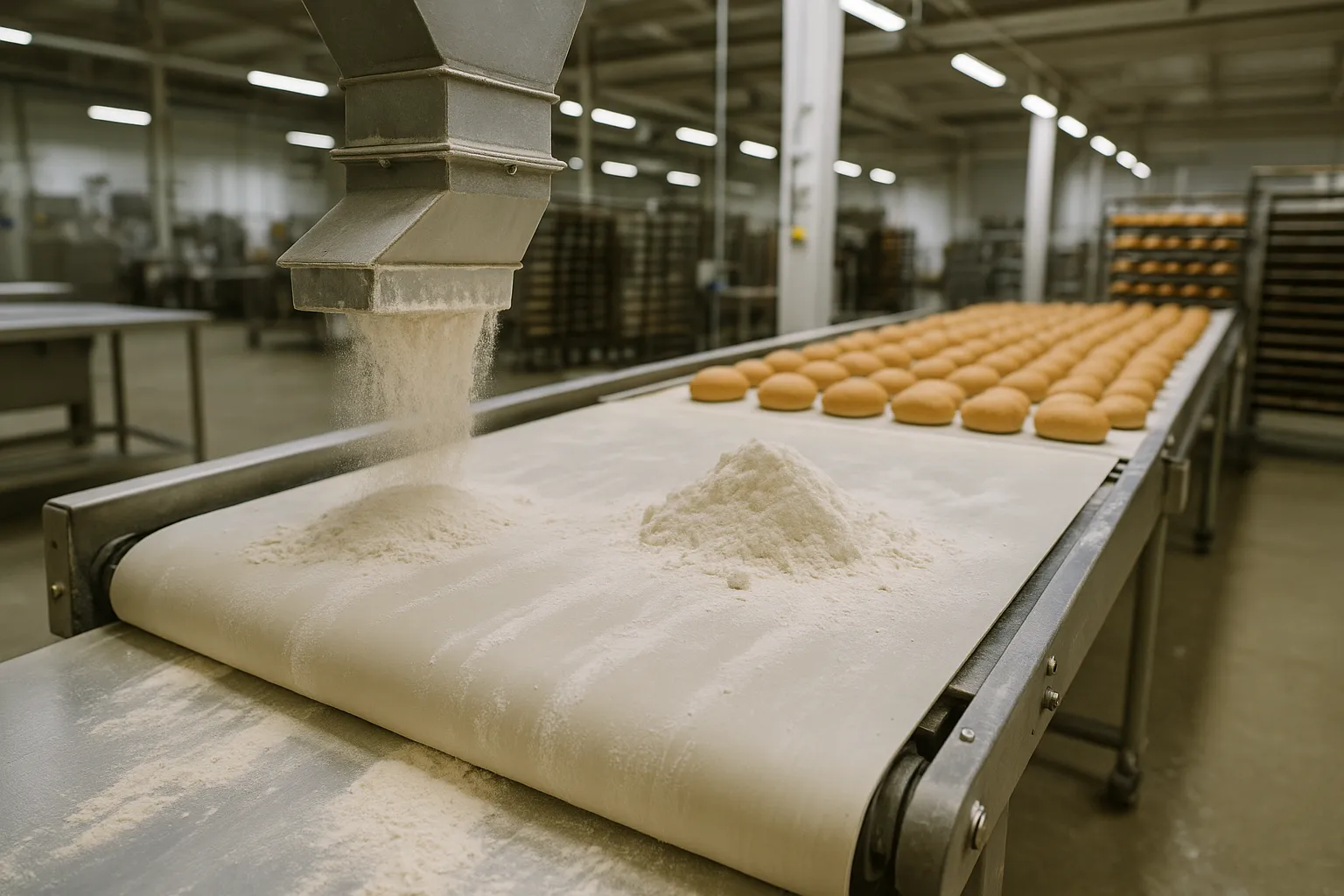
Bakery operations often generate substantial amounts of flour dust due to routine activities such as dusting during dough handling, ingredient measuring, and cleaning up flour spills. If these particles are not effectively managed, they can prevail in the air, creating a persistent hazard for employees. In response to these dangers, HSE inspectors will evaluate whether bakeries are adhering to the Control of Substances Hazardous to Health Regulations (COSHH).

During their assessments, the inspectors will scrutinise how employers are implementing a structured approach to mitigate dust exposure. This involves a hierarchy of control measures aimed at prioritising the most effective strategies for reducing risks to health. The process begins with the elimination of dusty tasks where possible. For instance, using non-stick conveyor belts instead of flour as a lubricant exemplifies a significant first step in this hierarchy.

If elimination is not feasible, the inspectors will look at the substitution of flour or other dusty materials with less harmful alternatives. Even the engineering controls that can be implemented, such as local exhaust ventilation systems, will be considered. Finally, the inspectors will evaluate whether appropriate respiratory protective equipment is available, but this should only be regarded as a last resort.

Additionally, the inspectors will assess whether bakeries have established health surveillance programmes for their staff. This monitoring is crucial in identifying early signs of occupational illnesses and ensuring that effective preventive measures are in place.

Mike Calcutt, deputy director of HSE’s Engagement and Policy Division, emphasised the importance of tackling needless exposure to airborne dust within the baking industry. “Too many workers in bakeries are suffering from unnecessary exposure to dusty ingredients including flour. When employers prevent exposure, the risk of asthma is removed. That’s the key principle we want bakeries to apply,” he stated.

He further highlighted that while ventilation systems and protective gear can help reduce risks, they should not be the primary methods employed when effective options for elimination and substitution exist. “I urge employers to carefully consider dusty processes, eliminating risk and substituting to prevent exposure by weighing the long-term benefits in sustaining prevention against the true cost of ill-health and using controls lower in the hierarchy,” Calcutt added.

In response to rising health concerns within the sector, the use of low-dust flour options is becoming recognised as an effective standard. The Federation of Bakers has also published a “Blue Book,” which provides detailed industry-specific recommendations regarding dust control and health monitoring practices for workers.

For further guidance on managing flour dust within the bakery environment, businesses can access a wealth of information available on the HSE’s official website. This resource outlines best practices and strategies designed to ensure the safety of those working in the industry.

As the HSE embarks on this initiative, its commitment to enhancing workplace safety is clear, particularly in an industry known for its rigorous demands. The upcoming inspections signify a proactive approach to ensure that bakeries maintain safe working conditions, protecting both staff health and overall workplace integrity.

Local bakery owners have expressed support for these inspections, recognising the importance of protecting their workforce. Many are reviewing their practices ahead of the inspectors’ visits, ensuring they comply with safety regulations. “It’s essential for us to create an environment where our staff can work safely,” one bakery manager stated. “Proper measures to decrease dust exposure are not just beneficial for our employees but are also good business practice.”

As the health and safety of workers in the bakery sector continues to gain attention, it is crucial to maintain focus on regulations and best practices that prioritise employee wellbeing. The engagement of businesses with HSE inspectors during this initiative will likely lead to better health outcomes and enhanced safety culture in the baking industry.

In conclusion, the focus on reducing dust exposure in bakeries not only protects the health of individual workers but also fosters a responsible industry approach. Through diligent adherence to safety regulations and a commitment to innovation in reducing airborne hazards, bakeries can ensure a safer working environment for all employees.

Our Thoughts

To avoid the health risks associated with flour dust in bakeries, employers should prioritize the effective implementation of the hierarchy of controls as outlined in the Control of Substances Hazardous to Health Regulations (COSHH). This includes eliminating or substituting dusty processes with less hazardous alternatives before resorting to engineering controls or personal protective equipment.

Key safety lessons include the necessity of conducting thorough risk assessments and having a robust health surveillance system in place to monitor workers potentially exposed to flour dust. Employers should also adhere to industry guidance, such as the Federation of Bakers’ Blue Book, to ensure compliance and best practices in managing dust exposure.

Failure to implement these controls may constitute a breach of health and safety regulations, particularly regarding employee exposure to hazardous substances and ensuring a safe working environment. Regular training and awareness programs for workers about the risks of dust and proper safety measures should be mandated to reinforce these practices and safeguard employee health.

By proactively addressing these issues and fostering a safety-conscious culture, similar incidents of occupational asthma can be significantly mitigated.

SummarizeShare35Share202SendSend
Safety technology from Res Digital
Jade Anderson

Jade Anderson

Jade Anderson is a safety and compliance reporter specialising in UK regulatory affairs, HSE prosecutions, and workplace injury news. With experience covering health and safety law and enforcement, Jade brings in-depth analysis of court cases, fines, and lessons learned from workplace incidents across the UK.

Related Posts

Health board implements changes after patient death from dietary errors

Health board implements changes after patient death from dietary errors

by Tara Rowden
September 3, 2026
0

NHS Grampian has been fined £70,000 following the death of an 89-year-old patient, Patrick Brogan, from aspiration pneumonia—an outcome linked...

Evri depot under scrutiny after staff safety concerns

Evri depot under scrutiny after staff safety concerns

by Jade Anderson
January 8, 2026
0

The Health and Safety Executive for Northern Ireland (HSENI) is currently investigating Evri’s parcel depot in Mallusk after employees raised...

Useful Documents

  • Understanding RIDDOR
  • 10 Workplace Safety Failures
  • A Complete Guide to Reporting Safety Incidents in the UK
  • Understanding RIDDOR
  • Fire Risk Assessment: Meeting the Regulatory Reform (Fire Safety) Order
  • COSHH Basics: A Practical Guide to Control of Substances Hazardous to Health
  • Working at Height in the UK: The Essentials (WAH Regulations 2005)
  • Lock out Tag out LOTO

Recent Posts

  • Teenager campaigns for stricter controls on alcohol delivery apps after cousin’s death
  • Calls grow for 20mph limits to enhance road safety despite opposition
  • AI in healthcare needs robust regulation, report advises
  • Disappointment over health bill’s impact on patient safety
  • MPs urge urgent cosmetic surgery reforms amid patient safety concerns

Recent Comments

  1. Lendy Araujo on Oil spill at Piper Bravo deemed potentially catastrophic by safety regulator
  2. Piper Douglas on Worker dies due to inadequate machinery safety measures
  3. Simon Barrett on Honeymoon ruined by illness as newlywed suffers severe infection in Cape Verde
  4. Nolan Barrett on Work-related ill health in Great Britain remains a concern after pandemic peak
  5. Dylan Reeves on Sickness rates among Scottish police officers soar to troubling levels
UK Safety News

Copyright © 2026
UK Safety News

Navigate Site

  • About
  • Advertise
  • Policies
  • Useful Documents
  • Contact
  • Agent

Follow Us

Welcome Back!

Login to your account below

Forgotten Password?

Retrieve your password

Please enter your username or email address to reset your password.

Log In
No Result
View All Result
  • Home
  • News

Copyright © 2026
UK Safety News

This website uses cookies. By continuing to use this website you are giving consent to cookies being used. Visit our Privacy and Cookie Policy.