
















Story Highlight
– Employee lost part of finger in unguarded machinery.
– Incident occurred at FMP West Midlands in July 2024.
– Company fined over £30,000 for safety breaches.
– HSE found inadequate guarding on dangerous machinery.
– Employee underwent eight surgeries; unable to return to work.
Full Story
A metal polishing firm has been sentenced to pay over £30,000 following a serious workplace incident in which an employee suffered significant injury to his hand. Nathan Watkins, 35, was performing his duties at FMP West Midlands Limited, located in Oldbury, when the accident occurred on 8 July 2024.
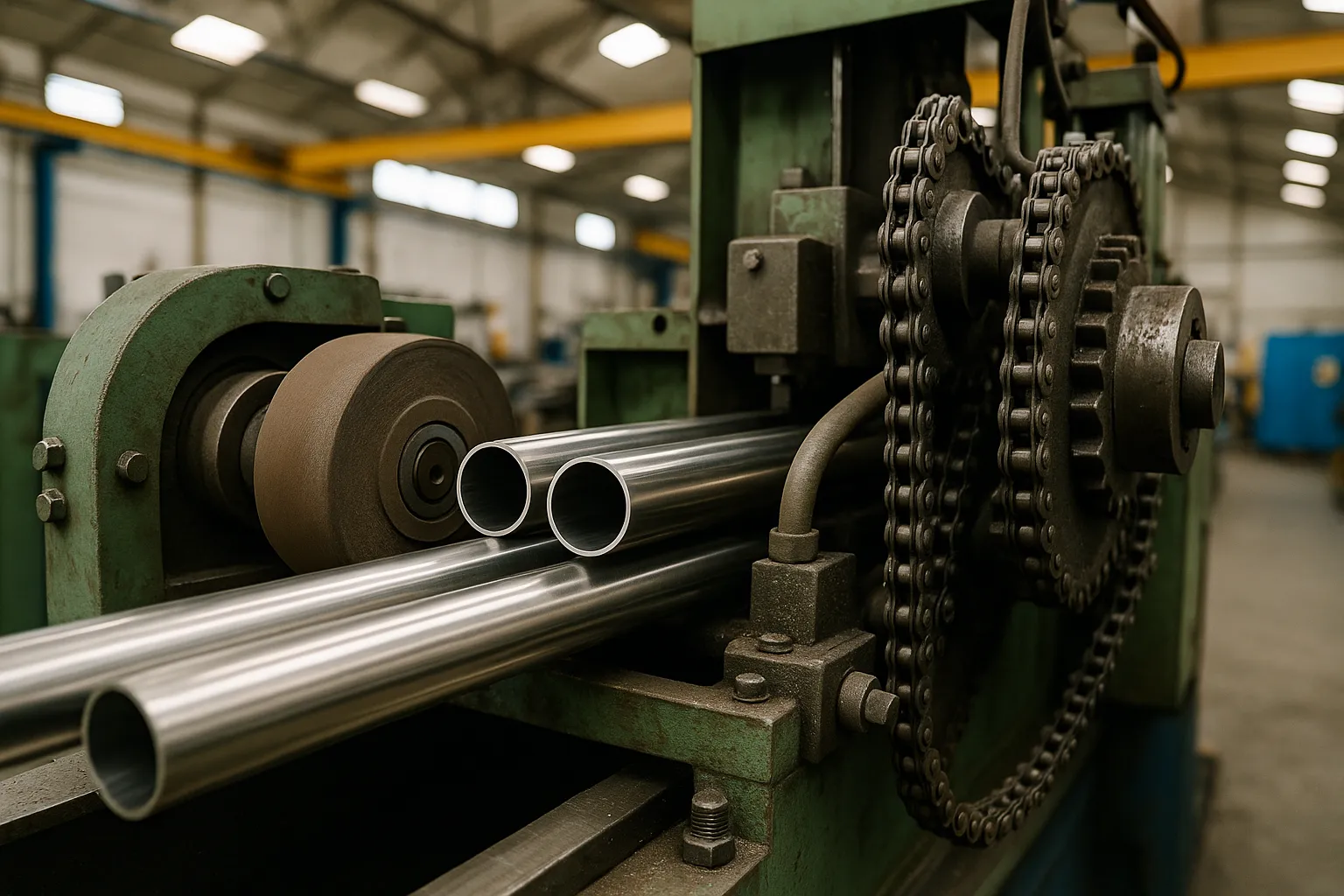
At the time of the incident, Mr Watkins was engaged in the operation of a tube polishing machine, which was reportedly fitted with defective rollers. This malfunction necessitated that he leaned over to adjust the metal tubes. Tragically, his left hand became caught in the machinery’s uncovered cogs and chains. The injuries sustained were severe, requiring the amputation of part of his left ring finger, and inflicting serious crush injuries to both his middle and index fingers.
The consequences of this accident have been dire for Mr Watkins, who has undergone eight separate surgical procedures since the event. Despite these interventions, he continues to face the prospect of further surgeries. “I have gained some strength back in my hand, but it is very tender and painful,” Mr Watkins commented on his condition, expressing the profound impact this incident has had on his life and work.
The Health and Safety Executive (HSE) conducted an investigation into the circumstances surrounding the incident and concluded that FMP West Midlands Limited had neglected its responsibilities to safeguard employees from dangerous equipment. Specifically, the company failed to provide adequate physical barriers to the machinery, which would have prevented access to its hazardous components.
Resulting from this oversight, the company was found guilty of breaching safety regulations concerning equipment safety. At Birmingham Magistrates’ Court, the judge imposed a fine of £24,000 on the company. In addition to this financial penalty, they were ordered to pay a victim surcharge of £2,000 and over £4,000 in costs.
HSE inspector Taila Phelan remarked on the case, stating, “The failure to maintain proper guarding standards is not acceptable and too many workers are still being injured by machinery due to employers not taking the necessary steps to protect their employees.” She further noted that had appropriate safeguarding measures been implemented, the serious injuries sustained by Mr Watkins could have been avoided.
This incident reflects broader safety issues in workplaces across the UK, raising concerns about the enforcement of health and safety regulations. The HSE has been working diligently to address violations, aiming to prevent such accidents from recurring. The inspector’s comments highlight a pressing need for employers to take responsibility to ensure worker safety through adequate equipment maintenance and safety protocols.
Local health and safety advocate, Sarah Johnson, emphasised the importance of compliance with safety regulations. “Every workplace should prioritise the safety of their staff. Incidents like this are preventable if companies make the necessary investments in safety measures,” she said. Her perspective underlines the ongoing challenges faced by workers in industries where machinery is prevalent and the role of regulatory bodies in keeping standards high.
Moreover, the support for injured workers does not solely rest with the companies. It is crucial for industrial sectors to foster a culture where health and safety is at the forefront of operational practices. This tragic incident serves as a reminder of the urgent need for improved safety measures to protect employees in similar environments.
As FMP West Midlands Limited moves forward from this incident, it will need to reassess its workplace safety protocols in compliance with HSE guidelines. The expectation is that all employees are provided with a safe working environment, free from undue risk.
In light of this incident, it is essential for businesses to conduct regular safety audits and training sessions to educate workers on the operational risks associated with machinery. By enhancing communication regarding safety practices, employers can significantly reduce the likelihood of accidents, ultimately safeguarding their workforce.
The fallout from workplace incidents extends beyond the immediate physical injuries inflicted upon employees; it affects the morale of the workplace and the broader community’s trust in local businesses. A commitment to safety not only benefits employees but also instils confidence within communities and contributes to a positive public perception of businesses.
The case of FMP West Midlands Limited underscores the critical importance of adherence to health and safety regulations in preventing workplace injuries. As the conversation around occupational safety continues, it serves as an important reminder for both employers and employees to remain vigilant and proactive in safeguarding against preventable injuries.
Our Thoughts
The incident involving FMP West Midlands Limited highlights significant breaches of UK health and safety legislation, particularly the Provision and Use of Work Equipment Regulations 1998 (PUWER). The company failed to ensure that the tube polishing machine was adequately guarded and maintained, exposing employees to unprotected moving parts.
To prevent such incidents, proper risk assessments should have been conducted, identifying the hazards associated with unguarded machinery. Implementing appropriate safeguarding measures, such as physical enclosures that are not easily removable, would have significantly reduced the risk of injury. Regular maintenance checks could have also identified the faulty rollers, allowing for timely repairs.
Key safety lessons include the importance of adhering to equipment safety standards and ensuring that all machinery operates safely and without risk to operators. Employers must take proactive steps to protect workers, including providing adequate training on operational procedures and the dangers associated with equipment usage. Regular audits and a culture of safety awareness should be promoted within the workplace to prevent recurrence of such incidents.