
















Story Highlights
– Construction company fined £80,000 after serious fall incident.
– Sub-contractor fell through fragile skylight during repairs.
– Company ignored safety precautions while completing work.
– Director received suspended prison sentence for safety breaches.
– HSE emphasizes importance of fall prevention measures.
Full Story
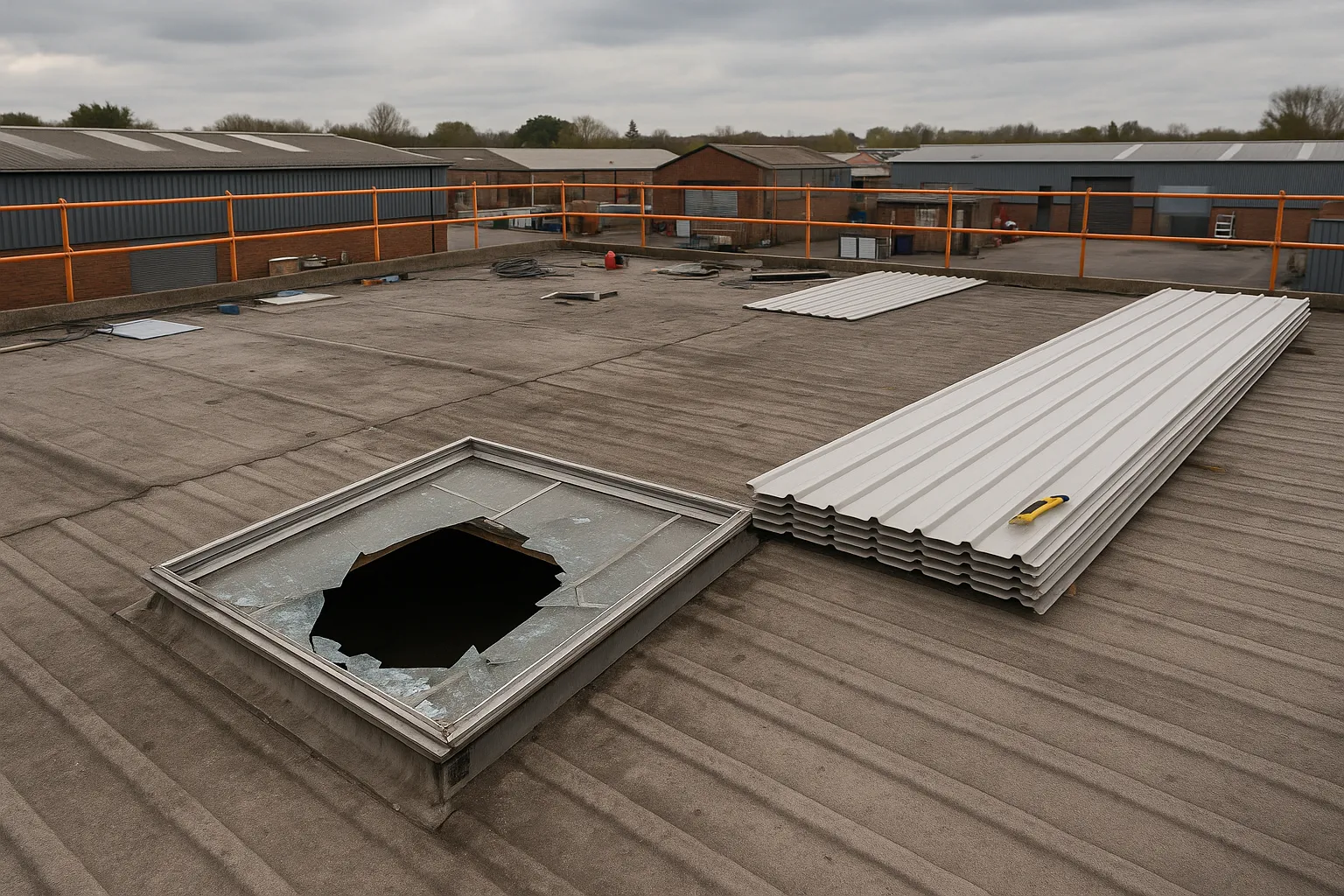
A construction firm in Hampshire has been fined £80,000 after a serious incident left a subcontractor with significant injuries when he fell through a fragile skylight whilst performing roof repairs. The 29-year-old individual suffered multiple fractures during the fall from a height exceeding 15 feet at The Tanneries Industrial Estate in January 2024, and he has since experienced long-term mobility issues that have prevented him from returning to work for several months.
The offending company, J Smith Construction Services Limited, had initiated the roofing repairs at the Titchfield site in December 2023. However, the project was plagued by delays. To expedite the completion of the work, the firm decided to bring in additional labour over the weekend of 13-14 January 2024, engaging the injured subcontractor among others.
Investigations revealed that J Smith Construction Services failed to install any scaffolding or implement sufficient safety measures to prevent falls from the roof or through the fragile skylight. Consequently, when the subcontractor fell, there were no protections in place to mitigate the severity of the incident, resulting in his plummet directly onto the concrete floor below.
Remarkably, following this serious lapse in safety protocols, the construction team, including J Smith Construction Services and the remaining subcontractors, resumed work on the project the next day without making any alterations to their safety measures.
Falls from height are consistently documented as one of the primary contributors to workplace injuries and fatalities in the construction sector. The Health and Safety Executive (HSE) has provided extensive guidelines aimed at ensuring safe practices when working at height, particularly for projects involving roof work.
The HSE’s inquiry into the incident concluded that J Smith Construction Services neglected to take the necessary precautions to safeguard the welfare of workers engaged in roofing tasks. The company faced legal repercussions, pleading guilty to violating The Work at Height Regulations 2005, specifically Regulation 6(3). The Southampton Magistrates Court hearing on 4 December 2025 culminated in the imposition of an £80,000 fine and an additional cost of £2,630.
Joseph Smith, the director of the company and present throughout the job, also pleaded guilty under the Health and Safety at Work etc Act 1974, section 37(1). During the same court proceedings, he received a suspended prison sentence of three months, with a 12-month probation period, alongside the obligation to pay legal costs amounting to £2,630.
A spokesperson for the HSE commented on the court’s decision, stating, “These sentences should send a clear message to employers that HSE and the courts take a failure to comply with health and safety legislation extremely seriously. Too many workers are injured or killed every year as a result of falls from height during construction work. These incidents can be prevented if reasonably practicable measures such as scaffolding or netting are put in place to protect workers.”
The HSE’s prosecution of J Smith Construction Services was facilitated by enforcement lawyer Karen Park and paralegal Helen Hugo, highlighting the commitment of the regulatory body to uphold workplace safety standards.
In a broader context, incidents of this nature underscore the critical importance of adhering to established health and safety regulations within the construction industry. With the sector facing ongoing challenges related to safety compliance, it is imperative that all companies, regardless of size, prioritise the implementation of effective safety measures.
The ramifications of non-compliance extend beyond legal penalties; they also pose a significant risk to worker welfare and can have devastating effects on individuals and their families. The injured subcontractor’s long-term health issues serve as a poignant reminder of the stakes involved in construction work, particularly when safety measures are inadequately addressed.
The HSE, as the UK’s national regulator for workplace health and safety, remains steadfast in its mission to ensure safer working environments. Through rigorous enforcement actions and the dissemination of safety guidelines, the organisation aims to protect workers across various sectors, ensuring that incidents like that witnessed at The Tanneries Industrial Estate do not recur.
For further information regarding health and safety legislation and best practices in the construction industry, the HSE provides a wealth of resources and guidance aimed at promoting safer work environments and reducing the risk of injury.
Our Thoughts
The incident involving J Smith Construction Services highlights critical failures in health and safety practices. Key lessons include the necessity for proper risk assessments regarding working at height and compliance with The Work at Height Regulations 2005. The company breached Regulation 6(3) by not implementing adequate measures to prevent falls through frail areas, such as the skylight.
To avoid such incidents, the following measures should have been taken: erecting scaffolding around open edges, using safety nets, and ensuring all workers are properly trained in safe work practices for roofing. Adequate safety measures should have been a priority, especially when speeding up project timelines, to prevent compromising worker safety.
Additionally, the continuation of work the day after the accident without any changes to safety protocols demonstrates a disregard for health and safety regulations, which can lead to further incidents and legal repercussions. Continuous monitoring and enforcement of safety compliance are essential to mitigate risks in construction environments. Employers must prioritize the safety of their workers and adhere strictly to UK health and safety legislation to prevent future incidents.