










Story Highlight
– UK regulators crack down on fake weight loss injections.
– Criminal network producing unlicensed fat jabs discovered.
– Patients warned to check batch codes on medications.
– Counterfeit jabs sold by regulated pharmacy raise alarms.
– Common signs of scams include poor labeling and discounts.
Full Story
The UK is experiencing a surge in the underground market for weight loss injections, as recent actions by health regulators highlight the seriousness of this issue. Following raids on two locations in Lincolnshire and Nottinghamshire, officials have urged people to exercise caution when purchasing these medications, even from seemingly legitimate pharmacies.
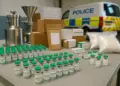
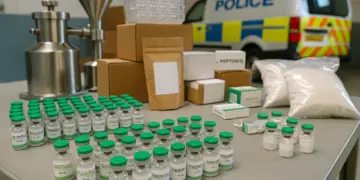
The increased interest in GLP-1 weight-loss drugs, such as tirzepatide and semaglutide, has unfortunately attracted the attention of counterfeiters. Authorities from the Medicines and Healthcare products Regulatory Agency (MHRA) have launched an investigation into a sophisticated criminal network producing fake weight loss injections. This week’s seizures included nearly 2,000 doses of unlicensed medications, including an unauthorized form of retatrutide, sometimes called the “Godzilla” of weight-loss treatments. The illegal drugs confiscated were intended for delivery to unsuspecting customers.
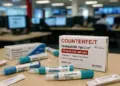
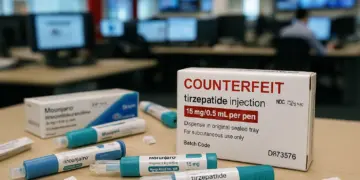
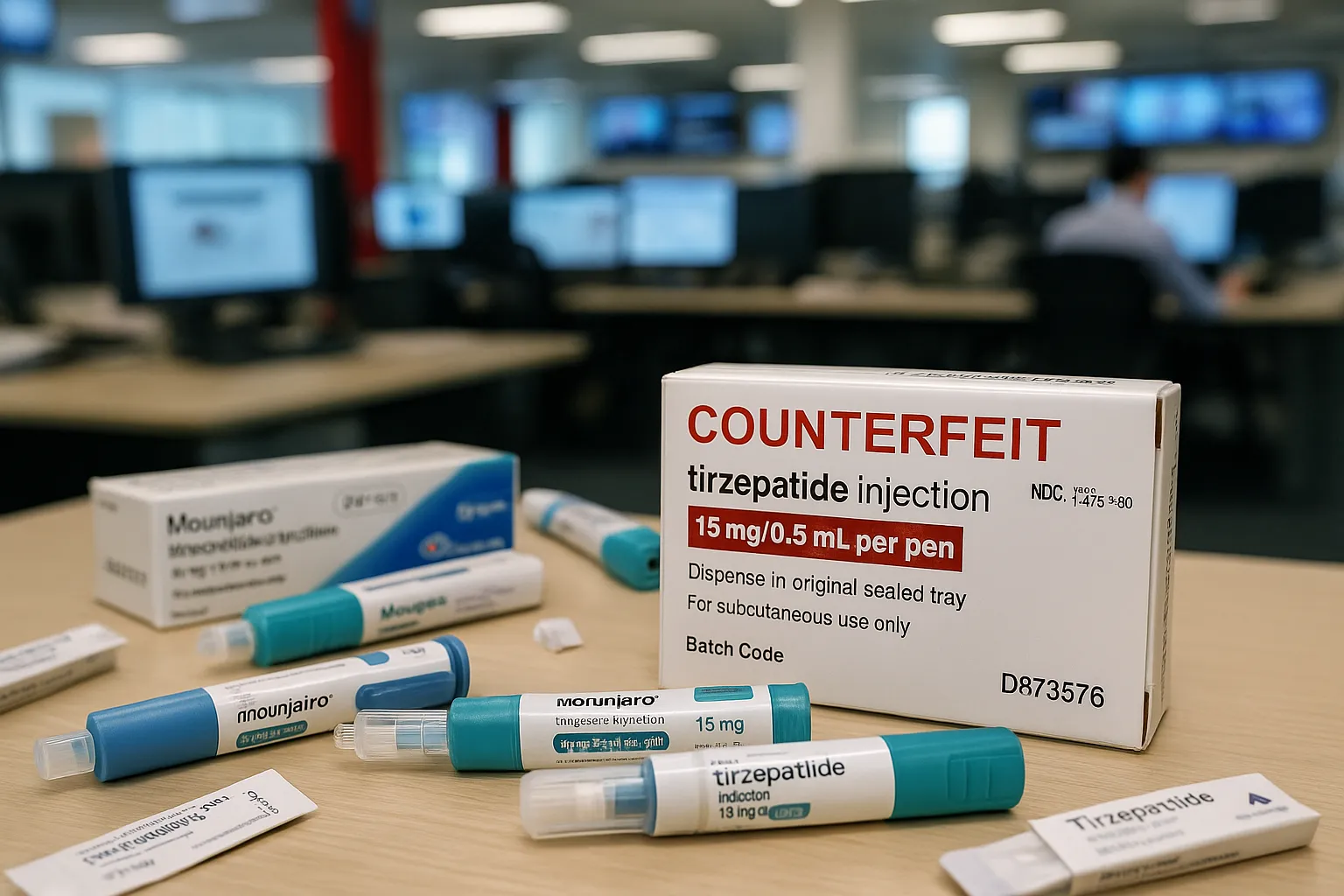
Detectives have described the distribution of such jabs as “incredibly dangerous”, emphasizing that these products have not undergone necessary safety checks. This warning comes in light of prior operations, including a significant bust at a clandestine drug manufacturing site in Northampton in October. Furthermore, the MHRA has reported that a counterfeit version of Mounjaro was distributed by an online pharmacy in Birmingham, specifically identifying a problematic batch numbered D873576 that individuals should immediately avoid.
The counterfeit pens are believed to contain the active ingredient found in legitimate weight loss products, but their dubious manufacturing processes mean they pose a health risk due to potential contamination. Alarmingly, these fake jabs were sold through a pharmacy registered with the General Pharmaceutical Council (GPhC), which typically assures consumers of safety and compliance with health regulations.
This incident raises questions about how scammers operate within a marketplace that has largely relied on the credibility of established pharmacies. As demand for weight loss treatments continues to climb and genuine supply remains constrained, many deceitful sellers are emerging, promising easy access to these sought-after products at prices that appear too good to be true.
As the market for GLP-1 medications expands, potential buyers must be more vigilant than ever. The landscape of deception is evolving, with fraudulent websites, sophisticated social media advertising, and even artificial intelligence-generated endorsements that lend authenticity to illicit sales. The risk, however, goes beyond financial loss; the greatest danger lies in the health repercussions of using unregulated medicines.
Research conducted by Boots Online Doctor found that a significant percentage of people using GLP-1 medications—34%—have purchased weight loss drugs without confirming their authenticity. Additionally, nearly 68% reported being approached in gyms and beauty salons with offers of illegal medications.
Pharmacist Abbas Kanani from ChemistClick (chemistclick.co.uk) has outlined several crucial precautions that consumers should take when considering the purchase of these injections. Below are some common pitfalls to avoid and warning signs to look for:
One major mistake is buying from unregulated sellers. Shoddy details—such as poor grammar or vague labelling—can often be indicative of counterfeit medications. Kanani advises consumers to look closely at packaging, as fully licensed medicines must display all pertinent information clearly. Verifying that a pharmacy is registered with the MHRA and GPhC before making a purchase is also critical. Legitimate sellers will offer clear contact information and transparent return policies.
Another common downfall is falling for suspiciously low prices. While everyone appreciates a bargain, discounts that seem excessively steep should raise alarms. Claims of guaranteed stock during supply shortages are particularly dubious. Kanani warns that if a price appears significantly lower than other suppliers, it may be a red flag indicating that the product is counterfeit.
A harrowing personal account from Michelle Sword, a mother from Oxfordshire, underscores the dangers associated with purchasing unverified weight loss jabs. Having previously used prescribed Ozempic successfully, she succumbed to temptation during a moment of desperation. After purchasing a counterfeit injection online, Michelle collapsed shortly after administering it. Rushed to the hospital, she learned that the pen contained dangerous fast-acting insulin instead of the intended medication.
Michelle’s experience highlights critical signs of fraud that consumers should remain vigilant for, including the absence of eligibility checks—a hallmark of legitimate prescriptions that require consultations to ensure safety. She urges others not to overlook the details in packaging, such as inconsistencies and unusual languages, which could indicate a counterfeit product.
Additionally, purchasing medications without necessary medical evaluations is a serious mistake. Products like Mounjaro and Wegovy are only available with a doctor’s approval for a reason: to ensure the safety and suitability of treatment for patients’ individual health conditions. When a seller rushes a customer to payment without a thorough medical questionnaire, it is likely that they are operating unethically.
Lastly, potential buyers should be wary of cross-border purchases. If a seller claims to provide medications directly from outside the UK, this should prompt skepticism. Imported drugs may not meet UK regulations regarding quality and safety and could lead to serious health risks. As Kanani emphasizes, checking for proper packaging, including Braille labelling, can provide an added layer of safety assurance since this is mandated for licensed medications in the UK and EU.
In summary, as counterfeit GLP-1 weight loss drugs proliferate in the marketplace, consumers must stay alert and informed. With the help of expert advice and a healthy dose of scepticism, individuals can safeguard their health and pocketbooks against the growing threat of scams.
Our Thoughts
To prevent the recent incidents involving counterfeit weight-loss jabs, a stronger emphasis on regulatory compliance and consumer awareness is critical. Key lessons include the need for stringent checks on online pharmacies, ensuring they are registered with the MHRA and GPhC, as stipulated under the Medicines Act 1968. Additionally, the introduction of eligibility checks and health consultations before sales could help mitigate risks associated with unregulated access to prescription medicines, in line with the Misuse of Drugs Act 1971.
The breaches apparent in this situation include the distribution of unlicensed medicines and inadequate safeguarding measures by some pharmacies. These incidents highlight the importance of the Medicines and Healthcare products Regulation 2012, which mandates thorough safety checks for medicinal products.
To deter future occurrences, improved public education regarding the identification of legitimate medical sources is essential. Consumers should be advised to scrutinize the legitimacy of online sellers, particularly concerning pricing and packaging errors, which could indicate counterfeit products. Regular inspections and enforcement actions by agencies like the MHRA would further bolster compliance and security in the pharmaceutical market.