















Story Highlight
– Danone recalls baby formula due to toxin contamination.
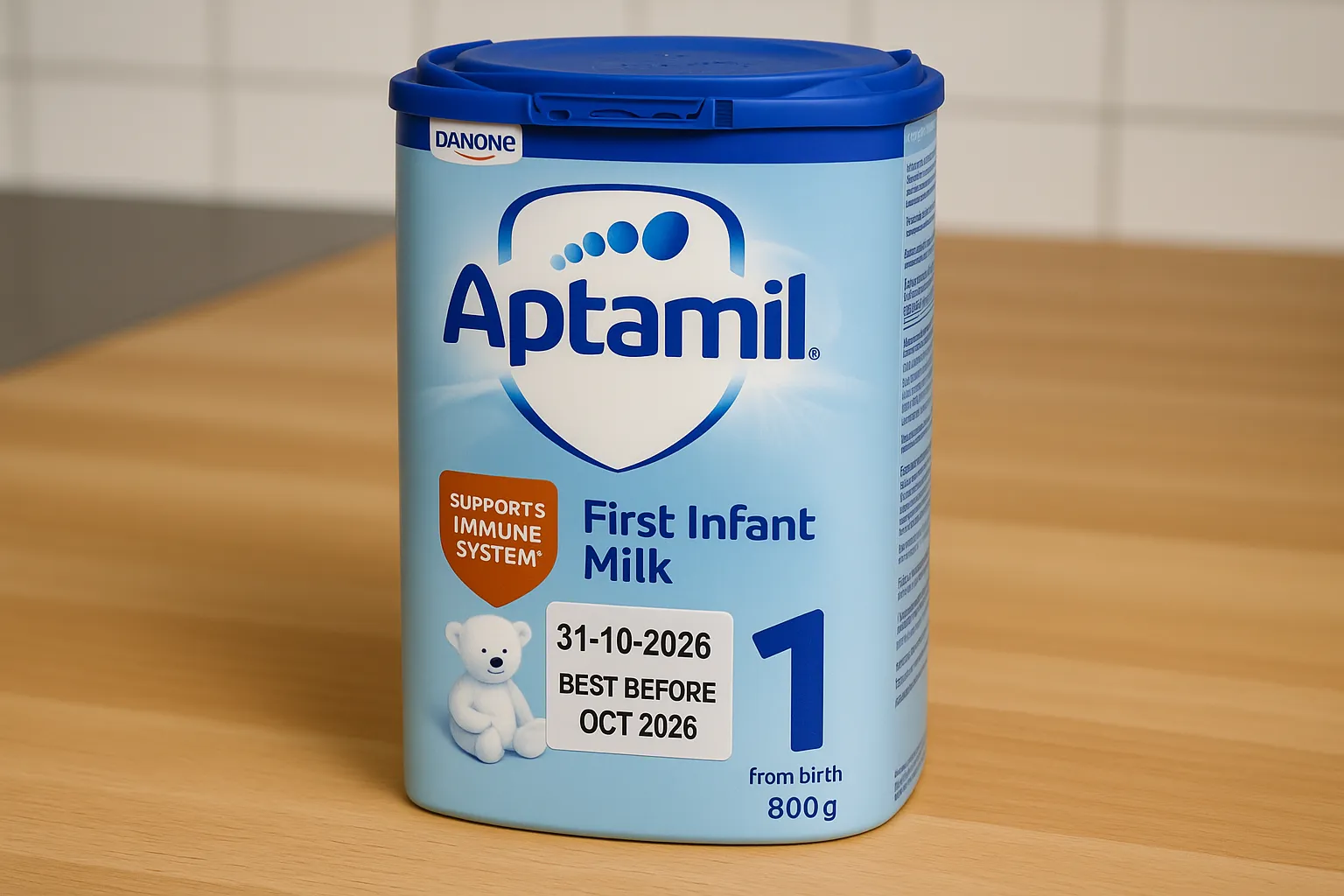
– Affected batch is Aptamil First Infant Formula 800g.
– Food Standards Agency warns against feeding affected product.
– Cereulide toxin linked to nausea and stomach cramps.
– Recall includes some batches exported to EU countries.
Full Story
Food manufacturer Danone has initiated an urgent recall of a specific batch of its Aptamil infant formula, citing health concerns due to potential contamination with a hazardous toxin. The recall affects only one batch sold in the United Kingdom, although similar batches in various international markets are also being withdrawn.
The Food Standards Agency (FSA) has alerted the public following the discovery of cereulide, a toxin associated with a bacterium known as Bacillus cereus. This toxin can cause severe gastrointestinal distress, including symptoms such as vomiting and stomach cramps. As a precaution, the FSA has advised that infants and children should avoid the affected product, and parents are encouraged to consult their healthcare provider should they have previously fed this formula to their children.
Darren Whitby, the FSA’s head of incidents and resilience, addressed the seriousness of the situation, stating, “We want to make parents, guardians and caregivers aware that Danone has recalled a batch of Aptamil First Infant Formula (800g). If you have purchased batch 31-10-2026, with a best-before date of October 31, 2026, the FSA’s advice is clear: do not feed this product to infants or young children.” He further advised that any parents concerned about potential health effects should seek guidance from healthcare professionals, either through their GP or by calling NHS 111.
Cereulide is a toxin known to be produced by Bacillus cereus, bacteria commonly associated with foodborne illnesses. The onset of symptoms related to cereulide exposure can be swift, causing distressing physical reactions shortly after consumption.
The recall extends beyond the UK, with Danone confirming that the contaminated batch has also been exported to several EU countries. The Food Safety Authority of Ireland has communicated details of the recall to the European Commission, ensuring that relevant authorities are informed of the situation.
The contamination is linked to an ingredient derived from ARA oil, which was produced in China. This oil was discovered to contain cereulide and was used in the production of the base powder for making infant formula and follow-on formula.
In response to the incident, Danone has reiterated its commitment to food safety, stating: “We never compromise on food safety.” The company added, “In light of the current situation in the industry, some local food safety authorities are evolving their guidance. This is a targeted recall, mainly in Europe, of only a very limited number of specific batches of infant formula products.”
The company emphasized that the recall does not involve any Danone products available in the Irish market, asserting that their infant formula offerings can still be purchased and used without concern. They described the recall as a responsible action, highlighting that the affected batch, identified by the number 31-10-2026, was available on UK shelves for a limited period of approximately two weeks in July 2025.
This recall raises important questions about safety protocols in the food manufacturing industry and the stringent measures needed to prevent contamination. Experts suggest that food producers must maintain rigorous testing and quality control processes, especially regarding products intended for vulnerable populations such as infants.
Consumer advocacy groups urge parents to remain vigilant and informed, particularly regarding the safety of products for children. Many families rely heavily on commercial infant formulas due to convenience or necessity, making the safety of such products a primary concern.
The announcement comes at a time when there is increasing scrutiny over food safety standards in the global supply chain. Recent incidents involving contamination in various food products have prompted both consumers and regulatory bodies to demand greater transparency and accountability from food manufacturers.
As the recall unfolds, Danone is set to cooperate fully with health authorities to assess the situation and implement any additional measures required to ensure consumer safety. The emphasis on communication with the public and transparency about the recall process remains crucial for restoring consumer confidence in the affected product lines.
For affected parents, the situation serves as a reminder of the importance of monitoring recalled products and staying informed through official channels like health advisories and food safety alerts. It is essential for caregivers to read labels carefully and to be aware of batch numbers in light of potential recalls, particularly for products consumed by their children.
In summary, the ongoing recall of a specific batch of Aptamil baby formula by Danone underscores significant health concerns associated with food safety and the broader implications for public trust in food products. As the situation develops, it is likely that further regulatory measures will be evaluated by food safety authorities to prevent recurrence of such incidents in the future. Parents are encouraged to be proactive in ensuring the safety of the products they choose for their families.
Our Thoughts
To prevent the incident with the contaminated Aptamil baby formula, Danone could have implemented stricter quality control measures at the ingredient sourcing stage, particularly for ARA oil sourced from external suppliers. Conducting thorough risk assessments and regular microbial testing could help detect potential contamination from Bacillus cereus before product release, aligning with the Food Safety Act 1990 and the General Food Law Regulation (EC) No. 178/2002 requirements for ensuring food safety.
The key safety lesson emphasizes the importance of rigorous supply chain management and traceability to identify and rectify contamination risks quickly. Additionally, enhanced communication protocols with local food safety authorities could have facilitated faster public warnings.
Potential breaches may include regulations surrounding the safe handling and quality assurance of food products as stipulated by the Food Safety and Hygiene (England) Regulations 2013. To prevent similar incidents, manufacturers must prioritize comprehensive training for staff on food safety measures and maintain collaboration with food safety agencies, ensuring immediate reporting and response processes for any suspected contamination.