















Story Highlight
– Danone recalls baby formula due to toxin concerns.
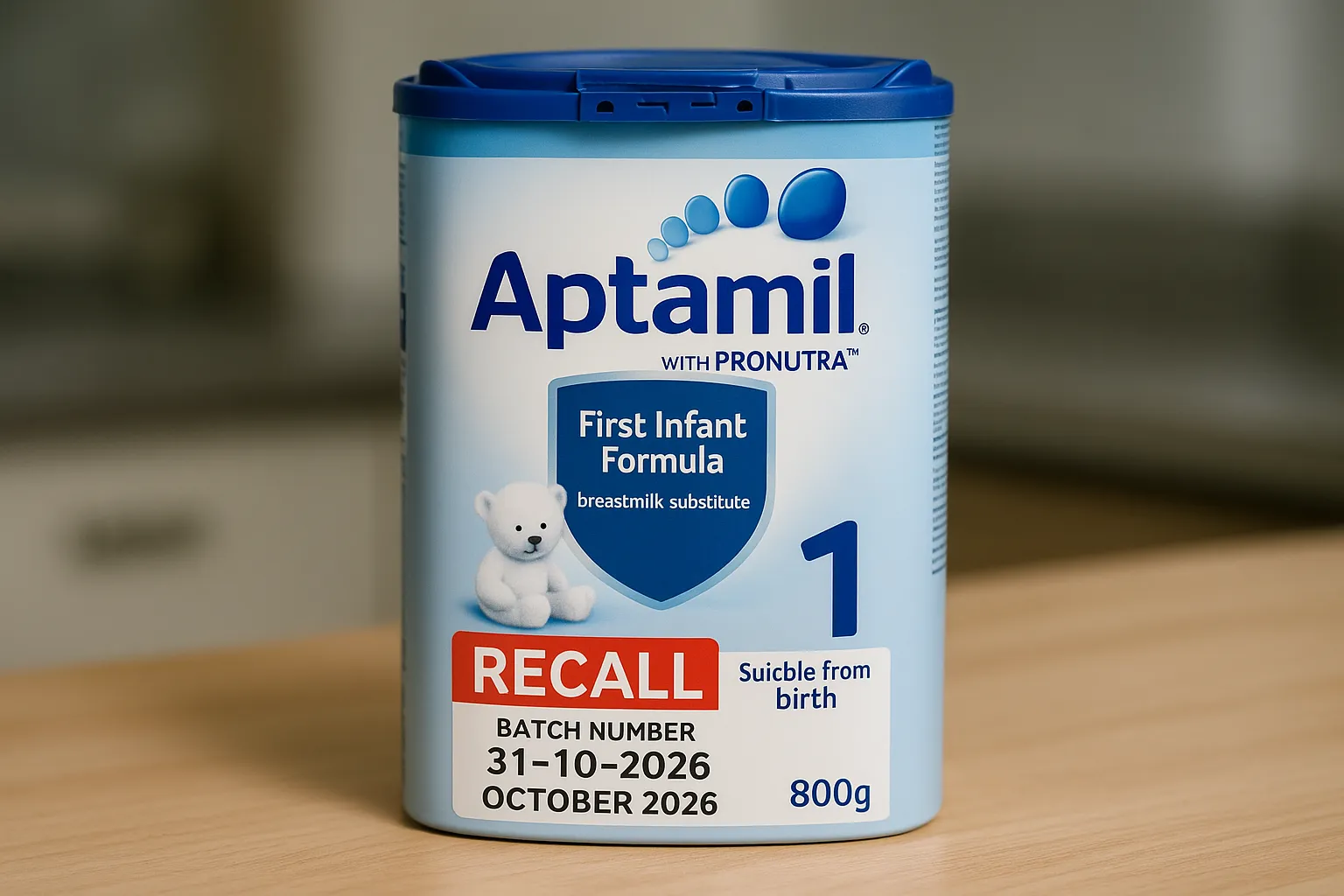
– Affected batch is Aptamil First Infant Formula, 800g.
– Food Standards Agency warns against feeding infants this product.
– Contaminated ingredient sourced from China caused the issue.
– Recall limited to specific batches, no impact in Ireland.
Full Story
Danone, the prominent food manufacturer, has initiated a recall of a specific batch of its Aptamil baby formula due to concerns about potential contamination with a harmful toxin. The alert focuses on a single batch available in the UK, although other batches in various European nations are similarly affected.
The Food Standards Agency (FSA) has issued an urgent notification regarding the presence of cereulide, a toxin associated with the bacteria Bacillus cereus. This contamination poses significant health risks, including symptoms such as nausea, vomiting, and abdominal cramps. The FSA has strongly advised that infants and young children should avoid consuming the affected product, urging parents to consult their healthcare providers if they have already fed it to their children.
Darren Whitby, who leads incidents and resilience efforts at the FSA, communicated the seriousness of the situation, stating: “We want to make parents, guardians and caregivers aware that Danone has recalled a batch of Aptamil First Infant Formula (800g). If you have purchased batch 31-10-2026 of Aptamil First Infant Formula 800g, with a best-before date of October 31, 2026, the FSA’s advice is that you should not feed infants or young children with this product. If you have fed this product to a baby and have any concerns about potential health impact, you should seek advice from healthcare professionals by contacting your GP or by calling NHS 111.”
Cereulide is known to be a rapid-acting toxin that can lead to food poisoning, manifesting symptoms shortly after consumption. The current situation has prompted significant concern among health authorities, given the vulnerability of the affected demographic.
In addition to the situation in the UK, Danone has confirmed that the contaminated formula has also made its way to multiple EU countries. The Food Safety Authority of Ireland has informed the European Commission about the discovery and the subsequent recall resulting from this issue.
The toxin’s contamination is traced back to an ingredient, ARA oil, which originates from China. It was reported that this ingredient contained cereulide and was incorporated into the base powder used for producing both infant and follow-on formulas.
In response to the recall, Danone has emphasized its commitment to maintaining food safety standards. The company released a statement assuring the public, explaining: “In light of the current situation in the industry, some local food safety authorities are evolving their guidance. This is a targeted recall, mainly in Europe, of only a very limited number of specific batches of infant formula products. This does not impact any Danone products in the Irish market and our infant formula products can be purchased and used as normal.” They further stated, “As a responsible manufacturer, and to comply with the latest guidance, we have voluntarily recalled an isolated batch of Aptamil First Infant Milk in the UK. This affects batch number/expiry 31-10-2026, which was on shelf in the UK for approximately two weeks in July 2025.”
The swift action taken by Danone and the FSA highlights the importance of food safety in maintaining consumer trust and protecting public health, particularly for products meant for infants. Parents and caregivers are reminded to remain vigilant about the food they give to children, ensuring that they remain informed about potential hazards.
Industry observers note that events like these may prompt regulatory bodies to enhance their monitoring processes and guidelines, particularly in light of growing concerns about food safety across the EU. The backdrop of ongoing discussions around food quality and safety standards means that incidents like this could lead to broader scrutiny of manufacturing processes and ingredient sourcing in the future.
As the investigation continues, Danone is poised to cooperate fully with health authorities and to keep the public informed about any developments or further actions taken in relation to this incident. The company’s proactive approach to ensuring safety and transparency during this communications crisis is crucial in mitigating fear and misinformation among consumers.
Amidst rising concerns about food safety, this incident serves as a stark reminder of the critical importance of rigorous quality controls within the food manufacturing industry. Parents are encouraged to stay updated through official channels and remain watchful for any recall announcements.
The FSA has reiterated its commitment to ensuring consumer safety, and as investigations proceed, further guidance may be issued to protect the health and wellbeing of the public, particularly vulnerable populations such as young children. The unfolding situation will likely remain under close scrutiny from health officials and parents alike as the response from Danone further develops.
Our Thoughts
The recall of Danone’s Aptamil baby formula highlights several key areas for improvement in food safety management. To prevent such incidents, enhanced quality control measures should be implemented throughout the supply chain, particularly for ingredients sourced from external suppliers. The presence of the cereulide toxin suggests a failure in assessing the safety of the ARA oil produced in China, indicating a breach of the Food Safety Act 1990 and the General Food Law Regulation (EC) 178/2002, which require that food businesses ensure food safety and traceability.
Regular audits and rigorous testing of raw materials before production, along with a robust traceability system, could help identify and mitigate risks before products reach consumers. Furthermore, timely and effective communication with health authorities and the public is essential for minimizing health risks when contamination occurs.
This incident also underscores the significance of adhering to the HACCP (Hazard Analysis and Critical Control Points) principles, which could prevent similar occurrences by systematically identifying hazards and implementing control measures. Enhancing training for staff on food safety regulations and contamination risks is another crucial step towards preventing future incidents.