














Story Highlight
– Explosion occurred at Chemring Countermeasures facility near Salisbury.
– Emergency services responded; no reported injuries.
– Fire and rescue teams worked with Wiltshire Police.
– Investigation into the explosion’s cause has begun.
– Facility specializes in defenses against missile attacks.
Full Story
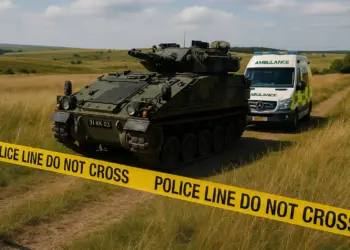
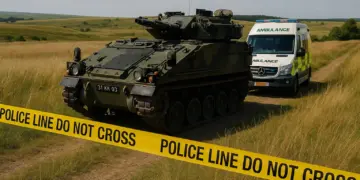
An explosion has been reported at a military supplies facility in Wiltshire, prompting a swift response from emergency services. The incident occurred late this afternoon at the Chemring Countermeasures plant located near Salisbury, specifically at approximately 5:30 PM. The large facility spans around 100 acres and employs over 400 staff members, who are involved in the production of advanced decoy flares designed to protect military aircraft and naval vessels from missile attacks.
Dorset and Wiltshire Fire and Rescue Service confirmed their involvement at the scene, describing their role as addressing an ongoing incident. A spokesperson for Chemring Countermeasures stated, “An incident occurred at our facility near Salisbury earlier this evening. All our safety systems operated as expected and there were no injuries to any of our personnel. The emergency services attended as a precautionary measure and have subsequently left the scene. We have launched a full investigation into the cause of the incident.”
In light of the explosion, Wiltshire Police are reportedly leading the investigation into its cause, with assistance from the Health and Safety Executive to ensure a thorough inquiry is conducted. While further details about the explosion are still emerging, it has been confirmed that there are no reported injuries among employees at the facility.
The facility, situated in Netton, operates in a highly sensitive area due to its role in national defence. Chemring Countermeasures has built a reputation as a key player in the field, dedicating over 50 years to the development of countermeasure technologies aimed at shielding air and naval forces from various threats including heat-seeking and radar-controlled missiles. The company’s commitment to research and innovation is part of its strategy to stay ahead of evolving threats facing armed forces around the world.
This incident follows a tragic event from August 2018, when a blast at the same facility resulted in the death of a 29-year-old worker and left another individual seriously injured. While today’s explosion has not led to injuries, it serves as a reminder of the potential risks associated with manufacturing military-grade materials.
The nature of the work conducted at Chemring means that safety protocols are integral to operations. The firm emphasized that their safety systems functioned correctly during the incident, which, thanks to these measures, averted a more serious outcome. As emergency service teams conducted their assessments, the quick response effectively ensured the safety of on-site personnel.
Local residents and observers have been alerted to the incident, and there may have been disruption to normal operations in the vicinity of the plant during the emergency response. While the details remain somewhat unclear, community concern often arises in situations involving military facilities, particularly given the previous incident. Emergency responders are trained to handle such events with the utmost caution, which may alleviate worries among those living nearby.
The ongoing investigation aims to uncover the specific circumstances that led to the explosion, with both police and health and safety authorities working together to establish clarity. Local representatives have expressed their confidence in these agencies to handle the matter effectively, allowing for an accurate assessment to be published soon.
Chemring Countermeasures has become synonymous with military safety and security, employing cutting-edge technology in their production processes. With a commitment to R&D, they are recognized for their innovative contributions that bolster the safety of military operations. Continued investment in these areas ensures that the facility remains at the forefront of the countermeasures sector, not just for the challenges faced in present-day conflicts but also for future occurrences.
As more information comes to light from the investigation and official updates are released, the local community is urged to remain calm and assured that the incident is being handled with the seriousness it deserves. Those who have inquiries or concerns are encouraged to reach out to local authorities for guidance and assistance.
This incident at Chemring highlights the importance of rigorous safety measures in high-stakes environments, particularly where military operations are concerned. The response reflects the commitment of local emergency services to managing incidents adeptly, safeguarding both personnel and the surrounding community in times of unforeseen events. Moving forward, a detailed analysis of the factors contributing to the explosion will be essential, ensuring that such occurrences are prevented in the future and that lessons learned are implemented promptly.
Our Thoughts
The explosion at the Chemring Countermeasures facility raises concerns about adherence to UK health and safety regulations, specifically the Control of Major Accident Hazards (COMAH) Regulations. To avoid such incidents, several preventive measures could have been implemented.
Firstly, rigorous risk assessments and safety audits should be conducted regularly, especially in facilities dealing with hazardous materials. Ensuring that safety measures are not only in place but actively tested and updated is crucial.
Secondly, emergency response plans should be regularly reviewed and scaled, involving all employees in drills to enhance readiness. Additionally, a proactive investigation into past incidents, such as the fatal blast in 2018, could provide insights into recurring safety issues, prompting necessary changes to safety protocols.
Communication of potential hazards to all employees, along with proper training on equipment used, is essential to enhancing workplace safety. Engaging external experts for independent assessments can also help identify potential shortcomings in safety systems.
Finally, lessons learned from this incident must be documented and shared within the industry to foster a culture of safety and continuous improvement.