












Story Highlight
– Firefighters face increased cancer risk from contaminants.
– Cancer rates among young firefighters significantly higher than average.
– FBU demands funding for safety upgrades and training.
– Health procedures against contamination poorly implemented in stations.
– Cultural change needed to improve firefighter safety practices.
Full Story
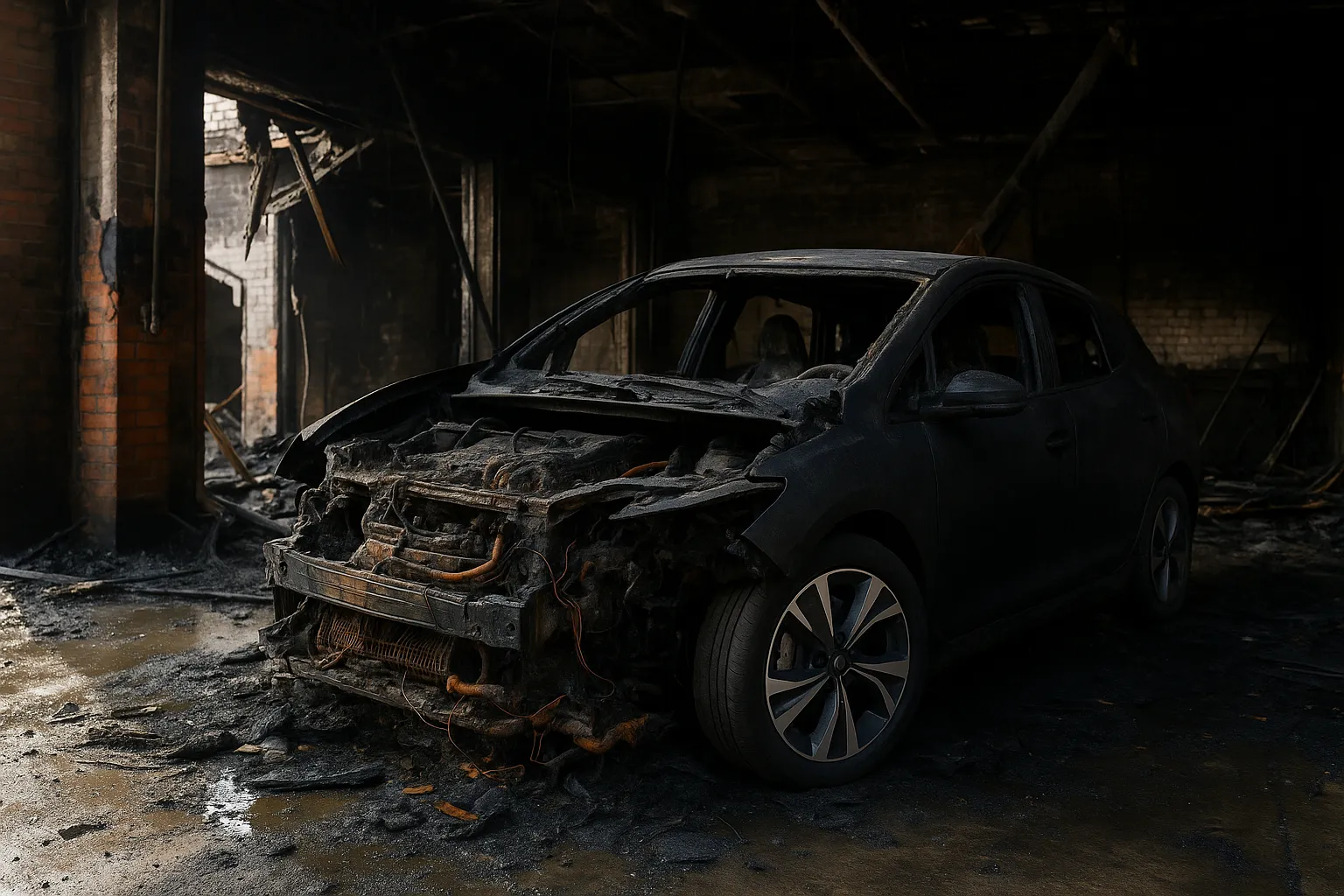
London firefighters are confronting significant health risks linked to exposure to hazardous substances, particularly from flame retardants commonly found in modern building materials and the rising incidence of electric vehicle fires. A report commissioned by the Fire Brigades Union (FBU) has shed light on these risks, revealing alarming cancer risk statistics among the firefighting workforce in the capital.
The analysis indicated that firefighters aged between 35 and 39 are experiencing cancer rates that are up to 323% higher than those observed in the general population for the same age group. This stark statistic underscores the pressing need for heightened safety measures and training within the London Fire Brigade (LFB) to better protect its personnel.
During a recent session at City Hall, LFB officials outlined the unique challenges faced by their firefighters, attributed to the vast size and density of London. The deputy commissioner at LFB, Spencer Sutcliff, noted that the capital’s urban environment presents distinct risk factors that need addressing. He stated, “What separates London from other cities… is just the sheer size of it, particularly the dense built environment.” Sutcliff pointed out that the rising use of fire retardants in home furnishings and various chemicals in the built environment have shifted the dynamics of risk faced by firefighters. Furthermore, the emergence of the gig economy has led to an uptick in incidents involving lithium battery fires, compounding the hazards encountered on duty.
Karl Smith, the London-based deputy health and safety co-ordinator for the FBU, stressed the urgent need for reforms to be enacted both within the LFB and by government officials to elevate safety standards and mitigate the current cancer risks. He quoted findings from the World Health Organization, which has classified firefighting as a “1A occupation,” recognising it as one of the highest risk professions for developing cancer. He drew a stark comparison, stating that being a firefighter is analogous to smoking 20 cigarettes a day in terms of cancer risk exposure.
In discussing operational issues, Smith articulated the problematic lack of resources that hampers effective decontamination practices post-shifts. He explained that firefighters are often unable to access showers shortly after returning from incidents to rid themselves of contaminants, a situation exacerbated by staff shortages and high call-out levels on operational days. Moreover, he highlighted the outdated design of older fire stations, which do not effectively separate contaminated and clean areas, further increasing exposure risks.
Concerns were also raised about the implementation of health and safety protocols within London’s fire stations. Reports indicated that many of these critical procedures are either absent or poorly executed, putting firefighters at continuous risk. Smith indicated that while there have been initiatives for training and awareness, the follow-up measures and audits to ensure adherence to safety practices have been insufficient.
FBU regional chairman Gareth Beeton further emphasised that funding constraints remain a fundamental obstacle to enhancing firefighter safety. He expressed that financial resources are severely limited, stating, “Funding across the LFB is an absolute massive issue for us.” Beeton outlined how inadequate funding translates to insufficient staffing, lack of overtime for covering absences, and an insufficient number of fire appliances available across London, which could jeopardise response capabilities during emergencies. He urged both the mayor and central government for increased financial support, particularly in light of the lack of new funding since the recommendations from the Grenfell Tower Inquiry.
In response to these concerns, Sutcliff reiterated the necessity for a culture shift within the LFB, moving away from attitudes that celebrate “dirty kit” as a badge of honour towards embracing the importance of clean equipment. He described a pressing need for staff to be educated regarding the hazards of contaminated gear, specifically warning against placing gloves in helmets, a practice that could expose firefighters to harmful residues.
With plans for an extensive awareness programme and additional training set for the upcoming year, LFB aims to rectify existing gaps in safety practice adherence, integrating advanced policies across the board. Sutcliff affirmed, “It’s just that ongoing journey of cultural change,” signalling the brigade’s commitment to fostering a safer environment for all personnel.
With the growing body of research corroborating the heightened health risks associated with firefighting, the situation hangs heavy on the LFB. The urgent call for action from the FBU resonates as a crucial step towards safeguarding the future health and safety of London’s firefighters. The assembly members at City Hall underscored the necessity for prioritising these reforms and allocating the necessary financial resources to maintain the operational integrity and health of the fire service in London.
As the landscape of firefighting continues to evolve with emerging risks, understanding and addressing these challenges will be pivotal in protecting those who serve on the frontline of public safety.
Our Thoughts
The report highlights significant safety failures within the London Fire Brigade (LFB) that contribute to increased cancer risks among firefighters. Key preventable measures include the implementation of health and safety procedures that were reportedly absent in many fire stations, violating the Health and Safety at Work Act 1974, which mandates employers to safeguard the health of employees.
To mitigate these risks, improvements in training, awareness, and proper infrastructure are essential. Germane safety regulations, such as the Control of Substances Hazardous to Health (COSHH) Regulations, require risk assessments and access to protective measures, including decontamination facilities. The lack of access to showers post-operation is a critical omission that exacerbates contaminant exposure. The cultural practices around equipment cleanliness also need reevaluation to prioritize health over tradition.
Moreover, inadequate funding hampers necessary upgrades, indicating a breach of the right to safe working conditions as stipulated in the Management of Health and Safety at Work Regulations 1999. Enhanced audits, regular follow-ups on training effectiveness, and allocation of resources would help address these safety gaps and significantly reduce the incidence of work-related cancers in the firefighting workforce.