

















Story Highlight
– Former commander loses 20% hearing from Ajax vehicle.
– Concerns raised about noise and vibrations during trials.
– Ajax vehicle’s use paused after soldiers’ injuries reported.
– General Dynamics asserts vehicle is safe and tested.
– Investigation ongoing into soldiers’ safety and health issues.
Full Story
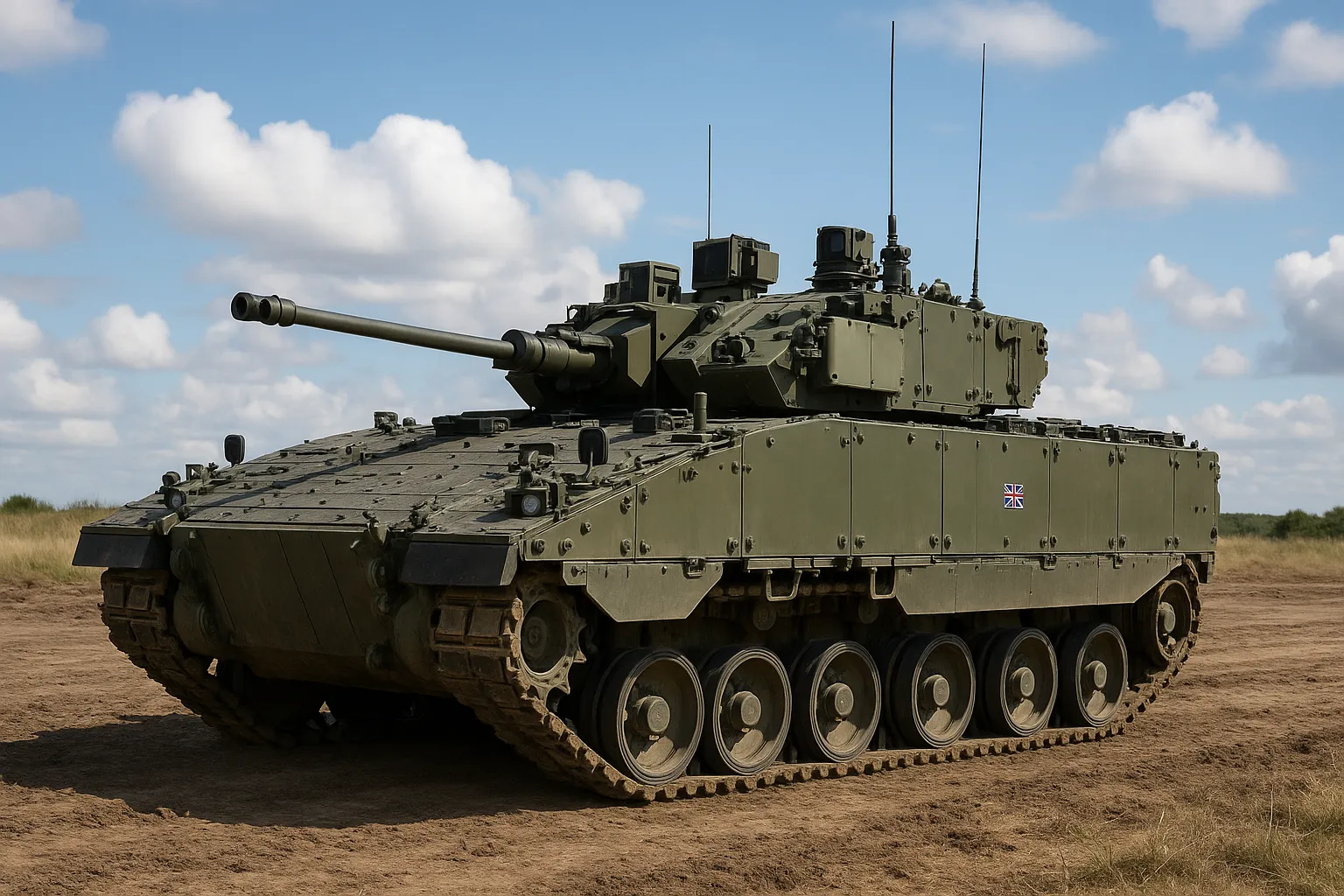
Rob Page, a former lieutenant colonel and the ex-commander of the British Army’s Armoured Trials and Delivery Unit, has publicly revealed significant concerns regarding the Ajax armoured fighting vehicle, which he believes may have contributed to his substantial hearing loss of around 20%. Page, who left the military after two years of trials from 2019 to 2021, has spoken out about the detrimental effects caused by the excessive noise and vibrations experienced by soldiers operating the £10 million vehicle.
Throughout his time in charge, Page noted alarming health issues among his troops. Many soldiers complained of hearing problems and physical injuries, attributed to the vibrations generated by the 40-tonnes tracked vehicle during its operation. These concerns prompted him to escalate the matter up the chain of command, leading to recommendations in late 2020 and again in 2021 to pause further testing of the Ajax until the issues could be adequately addressed. However, less than two weeks after Defence Minister Luke Pollard asserted the vehicle’s operational safety, an incident resulted in injuries for numerous soldiers using Ajax, necessitating yet another suspension of its deployment.
In an interview with Sky News, Page stated, “It feels a bit like a repetition. But… soldier safety has to come first, and foremost.” His early observations from 2019 demonstrated that soldiers were already experiencing discomfort soon after the trials began, suffering from various forms of strain in their hands, wrists, and knees due to the vehicle’s rough operation.
As a result of the urgent need to integrate nearly 600 units of Ajax into the army—manufactured under a £6.3 billion contract by American defence firm General Dynamics—Page and his team felt pressured to report their findings seriously. Given the extended delays in the project, raising safety concerns felt particularly daunting, especially considering the ongoing demand for upgraded armoured vehicles after decades of unsuccessful procurement attempts.
Throughout 2020, as complaints regarding persistent ringing in soldiers’ ears and symptoms of “whole body vibration” began to arise, Page instituted health checks to assess personnel before and after using the vehicle. This documentation enhanced understanding of the potential risks involved, substantiating the claims of adverse health effects associated with operating Ajax.
Furthermore, Page discovered that issues were not limited to soldiers in the field but extended to a team at a manufacturing facility in Merthyr Tydfil, South Wales, where Ajax variants were being assembled. He highlighted these security concerns to senior commanders, determining that a “noise and vibration calculator” provided by General Dynamics, aimed at establishing safe operational parameters, was potentially flawed. He sought to scrutinise the foundational data behind its configurations after observing that soldiers operating within prescribed limits continued to suffer from debilitating symptoms.
In a dramatic measure, Page composed what he termed a “Chernobyl email,” invoking the catastrophic nuclear disaster to articulate the severity of the situation. “I said, look, we’ve got a known hazard that we’re exposing soldiers to with a set of controls, but I’m not confident the controls are correct,” he recalled. Drawing parallels with the tragic decisions made during the Chernobyl incident, he expressed concern that operational guidelines did not adequately mitigate the risk posed by noise and vibration hazards. “For me, this felt like it wasn’t yet a precise science,” he added, emphasizing the need for comprehensive understanding and rectification of these risks.
Although Page’s input was significant, he remained anonymous in the outcome of two official reviews that scrutinised the Ajax programme after its suspension. His extensive service of over two decades in the army contributed to a broader discourse on systemic issues within defence procurement rather than attributing blame to individual actors. “Going after this blame game is really not constructive,” he asserted. Instead, he urged for focused action on understanding and addressing risks to ensure soldiers’ safety.
After halting trials in 2021, Page and approximately 30 to 40 soldiers underwent hearing assessments at the Queen Elizabeth Hospital in Birmingham, which revealed the extent of their hearing impairments. Initially, Page had not connected the vibrations experienced within the vehicle to his hearing loss. During his consultation, a specialist confirmed that he was struggling to follow conversations in noisy environments and confirmed he was suffering from tinnitus. Reflecting on his condition, he expressed deep frustration: “Hearing is a sense. It’s one of our core senses, and losing it is a permanent disability.”
Responding to critical feedback, General Dynamics UK asserted their commitment to ensuring the Ajax’s safety and referred to extensive trials undertaken in collaboration with the army and other entities over the last five years. They claimed that Ajax is among the most meticulously evaluated combat vehicles in history. Enhancements to equipment and modifications to protective headsets have been made in response to earlier issues, with independent assessments confirming that current noise and vibration levels fall within legislative guidelines.
A spokesperson from the Ministry of Defence reiterated a commitment to personnel safety. “We will always put the safety of our personnel first and the current pause shows that we will investigate any issues when they arise… We take any allegations very seriously and will look closely at any evidence provided.”
As investigations proceed, the spotlight shines on not just the Ajax vehicle, but also the implications of such systemic challenges within the broader defence framework, raising significant questions about the prioritisation of soldier safety in the British military’s procurement processes.
Our Thoughts
The incidents involving the Ajax armoured vehicle highlight the need for enhanced adherence to UK health and safety regulations, particularly under the Health and Safety at Work Act 1974. Key failures included the inadequate response to reported noise and vibration hazards, which directly contravene the duty to ensure the health, safety, and welfare of personnel (Section 2).
To prevent similar occurrences, an exhaustive assessment of noise and vibration levels should have been conducted prior to deployment, including comprehensive risk assessments under the HASAWA and subsequent Occupational Health guidelines. Regular monitoring and maintenance, alongside the implementation of engineering controls rather than relying solely on personal protective equipment or time-limiting measures, could have mitigated risks more effectively.
Moreover, the lack of transparency regarding the “noise and vibration calculator” utilized by General Dynamics raises concerns regarding compliance with the Management of Health and Safety at Work Regulations 1999, which mandates employers to provide information and training regarding risks. Addressing these regulatory gaps and prioritizing proactive safety measures are critical for safeguarding the health of military personnel.