

















Story Highlight
– Futamura Chemical UK pleaded guilty to safety breaches.
– Company fined £20,000 for health safety violations.
– Incident occurred on December 24, 2021, at factory.
– Employee Alexander Cole died from hydrogen sulphide exposure.
– Court emphasized importance of thorough risk assessments.
Full Story
Futamura Chemical UK has faced legal repercussions following serious breaches of health and safety regulations, leading to tragic consequences for an employee. The company appeared at Warrington Magistrates’ Court on 6 January 2026, where it accepted responsibility for failing to comply with Sections 2(1) and 3(1) of the Health and Safety at Work etc. Act 1974. Besides the legal penalties, the organisation has also been ordered to pay £20,000 in costs associated with the case.
The prosecution was initiated by the Health and Safety Executive (HSE), with prominent input from enforcement lawyer Karen Park and paralegal officer Benjamin Stobbart, who represented the regulatory body throughout the proceedings. This serious incident, which ultimately resulted in a loss of life, took place on 24 December 2021 at Futamura’s facility located on Station Road in Wigton.
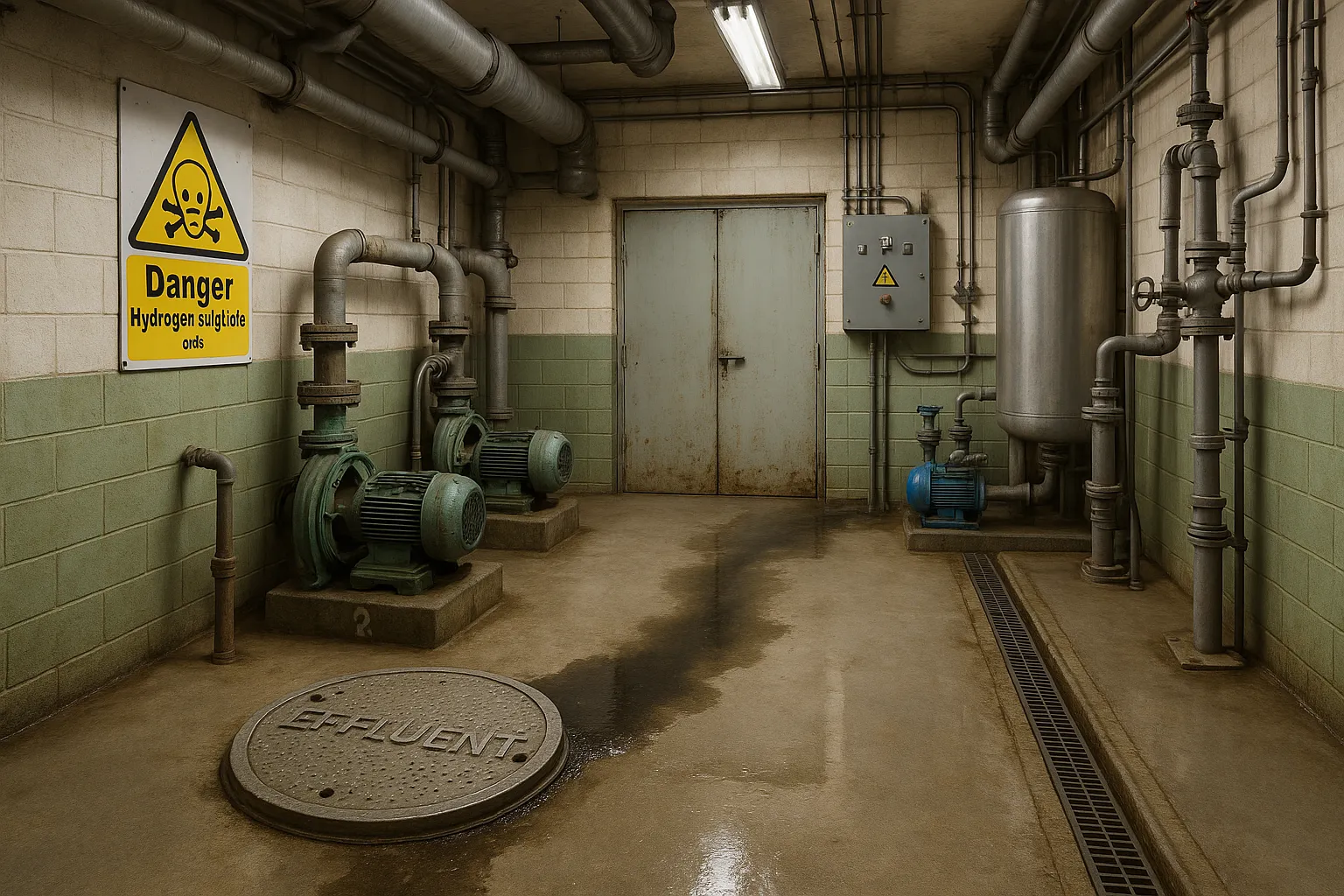
During that unfortunate day, employee Alexander Cole, who was also known by his colleagues as Alec, was discovered unconscious in a pump room after being exposed to hazardous gas. A delivery driver, Robert Dyer, who happened to be on site at the time, attempted to render assistance to Cole but became incapacitated by the fumes himself. While Dyer was able to recover promptly and regain consciousness, Cole’s situation was far more critical; he was transported to the hospital and sadly passed away on Christmas Day, the following day after the incident. A subsequent inquest highlighted that hydrogen sulphide exposure likely played a contributory role in his untimely death.
The court proceedings revealed significant failings on Futamura’s part, particularly in the realms of risk assessment and the implementation of appropriate safety controls regarding hydrogen sulphide gas. According to court findings, although the company had some measures in place to assess risks associated with hydrogen sulphide in its production area, it failed to effectively identify and manage the possibility of the gas accumulating within drainage systems. This oversight ultimately led to the release of the gas, placing workers in jeopardy.
Hydrogen sulphide, a colourless gas recognised for its distinct “rotten egg” odour, poses severe health risks. Symptoms resulting from exposure can vary greatly depending on the concentration of the gas and the duration of exposure, ranging from dizziness and unconsciousness to more dire consequences, such as death.
Matthew Shepherd, an inspector with the HSE, emphasised the importance of comprehensive risk assessments within the workplace. He stated, “This tragic case shows the importance of conducting a thorough and robust risk assessment to ensure that all risks are properly identified and managed.” Shepherd further remarked on the necessity for companies handling or producing hazardous substances to thoroughly consider and control all potential exposure pathways, adding, “Failure to do so can have terrible consequences.”
As health and safety oversight remains a critical concern across industries, cases like this underscore the urgent need for organisations to prioritise worker safety by ensuring that comprehensive risk assessments are conducted regularly and meticulously. The tragedies resulting from negligence not only affect the individuals involved but also have broader implications for community trust in local businesses and the regulatory framework designed to protect workers.
In the context of the manufacturing sector, where hazardous materials are often a part of the production process, the implications of this case reverberate through conversations about corporate responsibility and workplace safety culture. Stakeholders within the industry are being called to reflect on their practices, encouraging a shift towards a proactive stance on health and safety protocols.
Moving forward, it is expected that Futamura and similar companies will come under greater scrutiny to ensure compliance with health and safety regulations. Not only is there a legal obligation to adhere to these standards, but there is also a moral imperative to protect the welfare of employees. The serious implications of neglecting health and safety measures can serve as a sobering reminder for firms about the real human costs associated with such failures.
As the inquiry into this incident concludes, the focus must now shift towards developing a stronger framework for health and safety management across all sectors. This includes ongoing training for staff and enhanced communication of risks associated with hazardous materials.
Looking ahead, industry experts believe that fostering a culture of safety will be paramount in preventing such tragic incidents from recurring. Enhanced training programs, stringent enforcement of regulations, and open lines of communication regarding safety hazards will be essential components in establishing safer workplaces. In this way, the tragic loss of Alexander Cole can serve as a catalyst for lasting change within the industry, promoting a safer environment for all employees.
Our Thoughts
Futamura Chemical UK failed to adequately assess and manage the risks associated with hydrogen sulphide gas, breaching Section 2(1) and Section 3(1) of the Health and Safety at Work etc. Act 1974. Specifically, the company did not implement necessary controls to prevent gas accumulation in drains, leading to the tragic death of employee Alexander Cole.
To prevent such incidents, a more comprehensive risk assessment should have been conducted, identifying all potential exposure pathways, particularly within the drainage system. Key safety lessons include the necessity for robust training and awareness programs for employees regarding hazardous substances and emergency response protocols.
Furthermore, regular reviews of safety measures and ongoing monitoring of gas levels in critical areas would enhance workplace safety. Establishing a culture of safety where employees feel empowered to report concerns may also prevent similar incidents. In summary, thorough risk assessment, effective control measures, employee training, and vigilant monitoring are crucial to ensuring health and safety compliance and preventing future tragedies.