














Story Highlight
– Hundreds of guests on Balmoral report stomach bug outbreak.
– Ship’s stop in Lerwick cancelled due to stormy weather.
– Passengers isolated after reporting symptoms of gastroenteritis.
– Deep clean planned before next cruise departure from Southampton.
– Missed Up-Helly-Aa festival due to docking safety concerns.
Full Story
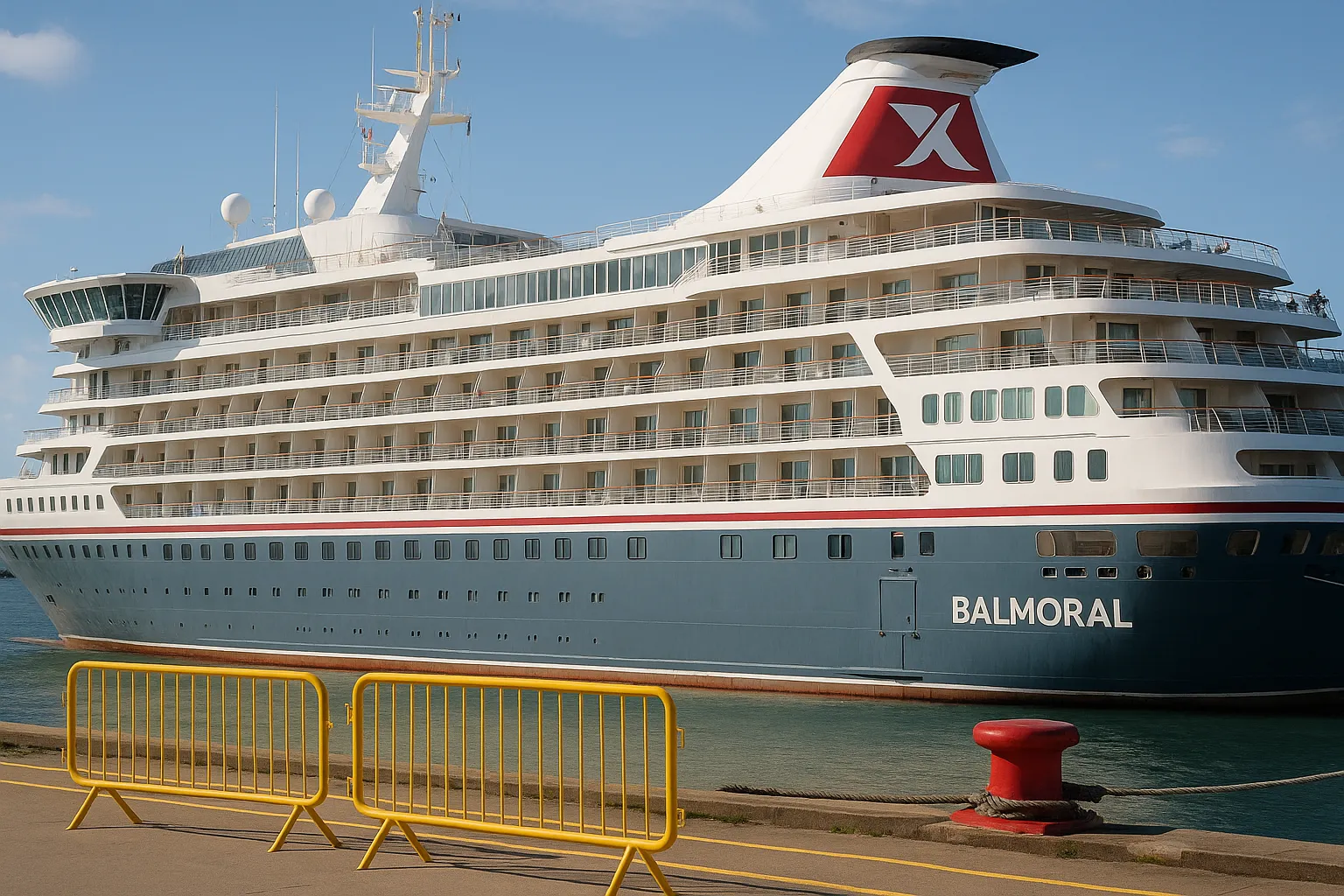
Passengers aboard Fred Olsen’s cruise ship, The Balmoral, have reported a significant outbreak of gastroenteritis, often referred to as “stomach flu,” affecting a substantial number of those on board. The incident has prompted swift action from the cruise line, including the postponement of the ship’s scheduled port of call in Lerwick, Shetland, due to adverse weather conditions.
Typically able to accommodate over 1,200 guests, The Balmoral was set to dock in Lerwick on the 7th of January, a visit that would coincide with the renowned Up-Helly-Aa fire festival, celebrated annually in Shetland as a tribute to its Viking heritage. However, due to stormy weather, this planned stop was unexpectedly cancelled, causing disappointment among passengers anticipating the festivities.
Reports from guests indicate that about 200 individuals had exhibited symptoms related to the highly infectious virus, which includes diarrhoea, vomiting, abdominal cramps, and fever—common markers of gastroenteritis. Passengers were reportedly informed through ship-wide announcements regarding the increasing number of individuals presenting with these symptoms. Despite these notifications, some aboard expressed skepticism about the reported number of cases, suggesting that a significant portion of the complaints stemmed from seasickness attributed to the rough weather conditions during their journey from Norway.
In light of the health concerns, Kate Bunyan, the director of health services for Fred Olsen, confirmed that an increased number of passengers had indeed reported gastrointestinal distress. She commented, “We have immediately implemented measures to help reduce transmission, and our medical team is on hand to provide support to anyone who should feel unwell during the cruise.” The proactive measures included isolating those affected, thereby aiming to mitigate further spread of the illness.
Upon returning to Southampton, The Balmoral was scheduled for a delayed departure to facilitate an intensive cleaning of both the ship and the cruise terminal. The safety and health of all guests and crew members remain priorities for Fred Olsen Cruise Lines, which maintains strict health protocols to handle such occurrences. The company reassured future passengers set to embark from Southampton that the adjustments were merely precautionary and posed no significant cause for concern.
In an effort to communicate transparently with its patrons, Fred Olsen Cruise Lines has reached out to customers affected by the operational changes. In a recent message reaffirming their commitment to safety, they stressed that enhanced sanitation measures were being implemented as part of their ongoing health protocols.
Unfortunately, the cancellation of the visit to Lerwick not only meant missing out on the Up-Helly-Aa festival for many onboard but also reflected the unpredictable nature of maritime travel. A spokesperson for the cruise line explained, “While we understand the disappointment of missing the much-anticipated Up-Helly-Aa festival, the safety of our guests and crew must always remain our highest priority.”
The Up-Helly-Aa festival, which occurs annually on the last Tuesday of January, is a significant cultural event, showcasing the rich Norse history of the Shetland Islands. Visitors to the islands and participants in the festival often engage in traditional activities, including torch-lit processions and the burning of a Viking longship, leading to increased local and tourist interest during this time. The absence of cruise ship passengers during such a notable event undoubtedly impacts the local economy and cultural exchange that typically accompanies the influx of visitors.
As the cruise industry continues to navigate challenges posed by health emergencies, the situation onboard The Balmoral serves as a reminder of the ongoing need for vigilance and adherence to health protocols, especially in communal settings such as cruise ships where outbreaks can occur swiftly.
The case of The Balmoral also illustrates the delicate balance between enjoying travel and ensuring public health safety. The rapid response to the outbreak not only highlights an awareness of potential risks but also demonstrates the cruise line’s commitment to managing incidents effectively while keeping passengers informed and reassured during such unforeseen circumstances.
While the situation onboard has certainly caused unrest and disappointment among the passengers, it concurrently sheds light on the continued efforts by cruise lines to enhance their health practices and protocols in an evolving industry landscape. As travel picks up again and more passengers embark on journeys across the seas, it is imperative that operators remain robust in their health and safety strategies to restore confidence in travel, particularly in light of recent global health concerns.
Our Thoughts
The gastroenteritis outbreak on Fred Olsen’s Balmoral highlights critical failings in health and safety management. To prevent such incidents, the company could have enhanced its pre-cruise health screening and ensured rigorous hygiene protocols were in place prior to embarkation. This could include educating passengers on personal hygiene practices to mitigate the spread of infections.
Key safety lessons include the importance of effective communication about health risks and symptoms to passengers and crew. Clear and accurate information is vital to prevent panic and misinformation, which can exacerbate guest concerns during outbreaks.
Relevant regulations potentially breached include the Health and Safety at Work Act 1974, which mandates the duty of care for passenger safety and well-being. Furthermore, the Management of Health and Safety at Work Regulations 1999 requires risk assessments and effective health management practices, including the response to infectious disease outbreaks.
Future incidents could be mitigated by implementing enhanced training for crew on infectious disease management and ensuring compliance with hygiene regulations established under the Public Health (Control of Disease) Act 1984, especially during outbreaks onboard. Regular health audits and assessments should also be conducted to maintain high hygiene standards.