













Story Highlight
– Gladiators returned to UK TV after 24 years in 2024.
– BBC reboot aired original series winners in 2025.
– Third series features father-son hosts Bradley and Barney Walsh.
– New Everest challenge criticized as a ‘disaster’ by viewers.
– Four Gladiators suffered injuries during filming of series 3.
Full Story
Gladiators has made a triumphant return to British television, with its latest series airing in 2024 after a hiatus of nearly 24 years. This reboot, produced by the BBC, is filmed at Utilita Arena in Sheffield and revives the excitement associated with the original series, which captured audiences on ITV from 1992 to 2000.
The first series of the revived Gladiators, which aired in 2024, saw the crowning of its champions: Finlay Anderson and Marie-Louise Nicholson. Following their triumph, the second series debuted in 2025, showcasing the athleticism and prowess of Joe Fishburn and Amanda Wah as they emerged victorious in their respective categories.
As the programme has progressed into its third series, Bradley and Barney Walsh have resumed their roles as hosts, bringing a father-son dynamic to the show. The latest series commenced on Saturday, 17th, introducing exciting new challenges, including one called Destruction. Additionally, this week’s episode featured the much-anticipated Everest challenge.
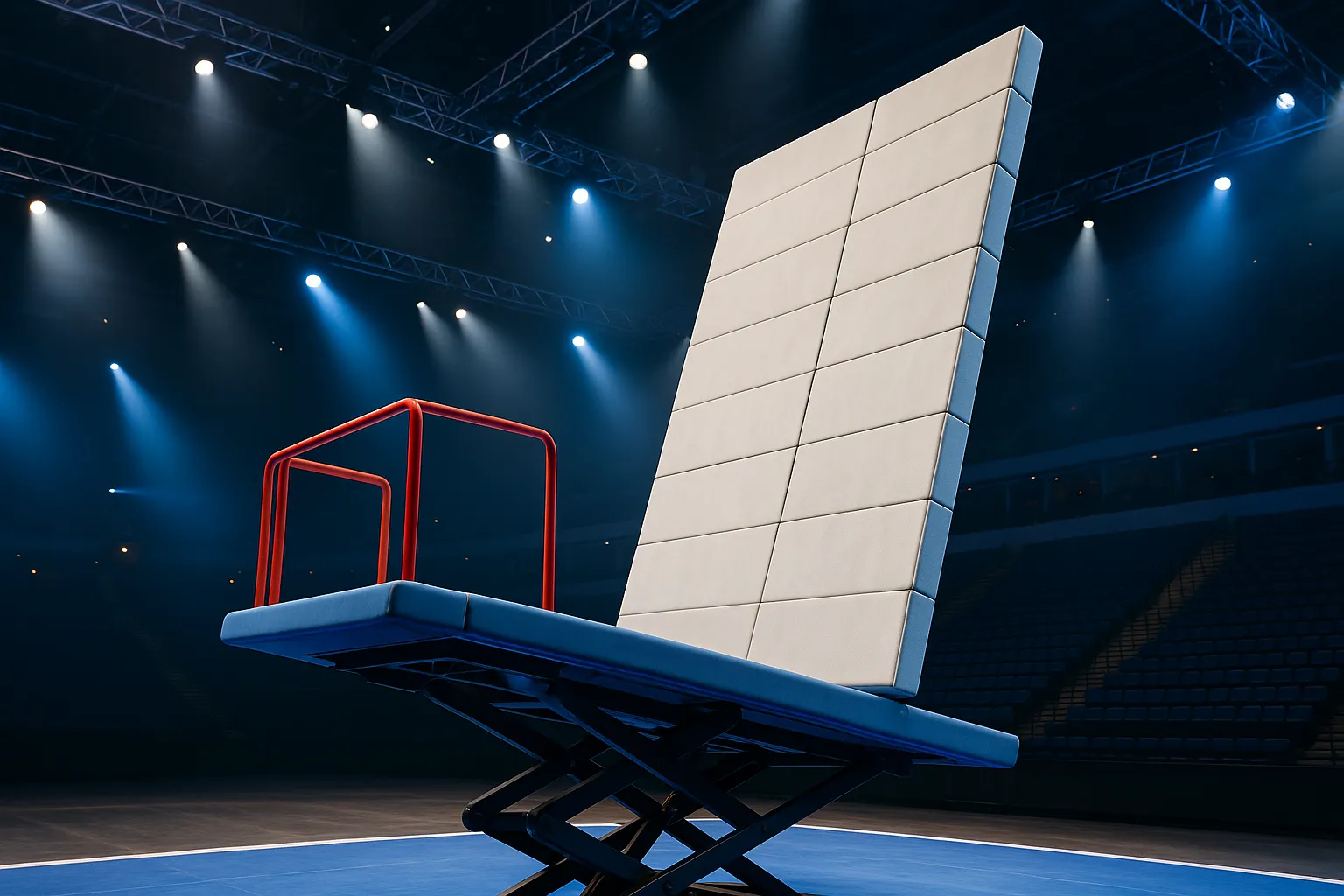
The Everest challenge, however, has drawn mixed reviews from viewers. Unlike previous physical contests, Everest involves contestants standing on a platform suspended high above the ground. A wall serves as a barrier between the Gladiators and the contestants, adding a unique twist to the competition. To win, the contestants must apply enough force to the wall to push it towards their Gladiator opponent, which, if successful, will potentially result in the Gladiator being toppled from the platform as it tilts towards them.
This new challenge has proven to be physically demanding not only for the contestants but also for the Gladiators themselves. Viewers tuning in from home have expressed their thoughts on social media, particularly on X, where opinions have varied. Some have labelled the challenge a ‘disaster’, with one viewer commenting that “Everest seems to be ridiculously over-engineered.” Another observer voiced concerns, stating, “This Everest event looks like a Health and Safety Disaster waiting to happen!” Such criticisms highlight the potential risks associated with the challenge, particularly if the Gladiator fails to secure a victory before the platform tilts.
Nevertheless, the reception is not entirely negative. A portion of the audience has taken to social media to express their enjoyment of the Everest game, with one fan stating, “I’m loving the Everest game so far!” As the series progresses, the mix of opinions continues to engage viewers, fostering a dialogue about the evolving nature of the competition.
In a further twist, the filming of the third series has not been without its challenges. During production in the summer of 2025, four Gladiators sustained injuries. Among them was Matt Morsia, known as Legend, who suffered a torn tendon in his arm. Matty Campbell, dubbed Bionic, dealt with a shoulder injury, while Livi Sheldon, referred to as Diamond, faced significant knee and leg injuries, including damage to her ACL. Karenjeet Kaur Bains, known as Athena, also sustained a severe knee injury. Such incidents underscore the physical demands and risks undertaken by the participants as they engage in these high-octane challenges.
Fans of the show can catch Gladiators on Saturday evenings at 5.45pm on BBC One, as well as on BBC iPlayer, ensuring that eager viewers can keep up with the latest developments and heart-pounding moments from the competition. As Gladiators continues to evolve, it faces the monumental task of maintaining viewer interest while pushing the boundaries of physical prowess and entertainment. The integration of new challenges like Everest will undoubtedly keep fans on the edge of their seats, as they watch their favourite Gladiators tackle the unique trials presented each week.
With the nostalgia of the original series and the fresh creative direction, the reboot aims to establish a firm place in contemporary television. While the audience’s varied reactions to the new challenges may spark debates, it is clear that Gladiators remains a focal point of entertainment, captivating a new generation while rekindling memories for longstanding fans.
Our Thoughts
The news article highlights injuries sustained by Gladiators during the filming of the new Everest challenge on the BBC reboot of Gladiators. To mitigate such risks, a comprehensive risk assessment should have been conducted in accordance with the Health and Safety at Work Act 1974, identifying potential hazards associated with the challenge’s mechanics and the physical strain on participants.
Additionally, the Management of Health and Safety at Work Regulations 1999 require that adequate safety measures, such as appropriate training for competitors and Gladiators, as well as regular safety checks of equipment, be implemented. Training should focus on how to handle the dynamic and potentially hazardous nature of the challenge, particularly given the high elevation and physical exertion involved.
Moreover, considering the negative viewer feedback regarding the challenge’s design, it suggests that stakeholder consultation should have been prioritized to address safety concerns before implementation. Implementing these measures could aid in preventing similar incidents in future series by ensuring participant safety and compliance with UK health and safety regulations.